Wildlife advocates warn bird flu mass mortality events are a sign of things to come
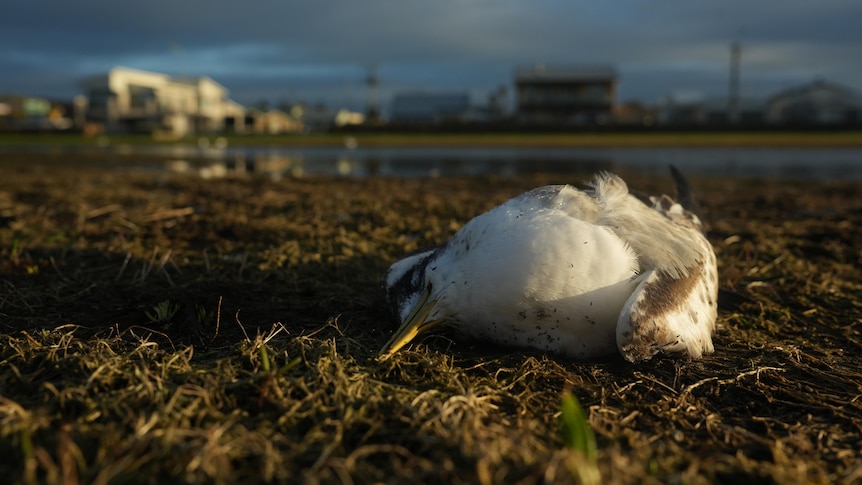
Environmental campaigners are warning the escalation of the nation's H5 bird flu outbreak is a sign of what's to come, after South Australia detected three mass mortality events believed to be linked to the infection.
Wildlife advocates are devastated over mass bird mortality events in South Australia and Tasmania, prompting calls for the federal and state governments to intensify their response. The Invasive Species Council seeks additional funding to safeguard wildlife amid the crisis. Environmental campaigners warn that the escalation of Australia's H5 bird flu outbreak is a harbinger of more to come.
On two separate occasions, South Australia recorded the deaths of over a thousand crested terns and Tasmania lost more than two dozen penguins and three crested terns. Testing is pending to ascertain bird flu as the cause of these deaths, but authorities view this as a clear indication of the outbreak's intensifying severity. The Invasive Species Council's CEO, Jack Gough, described the situation as shocking and dreaded, predicting that the scale of deaths will only escalate in the coming months as the virus spreads.
Gough suggested that Australia could soon face a situation akin to the bird flu crisis in South America, with potentially hundreds of thousands of birds succumbing to the virus. While a few thousand birds may seem alarming, Gough emphasized that this represents only the tip of the iceberg in terms of the impending devastation, particularly in coastal and island regions of Australia.
He underscored that this could extend inland, especially in wetlands where birds congregate. Gough warned that the impact on wildlife could surpass previous incidents, including the South Australian algal bloom and the black summer bushfires on the east coast, potentially proving more visible and widespread across the country. He stressed the importance of protecting wildlife areas from additional threats like cats, foxes, and habitat destruction to bolster wildlife's resilience and potential for recovery.
Last week, Victoria announced plans to vaccinate 5,000 penguins on Phillip Island following a bird from the colony's testing positive for H5N1 bird flu. In response, South Australia's Premier, Peter Malinauskus, expressed openness to considering a potential vaccination program for certain species under specific circumstances, including penguins.
However, Gough cautioned that vaccination is not a panacea, being feasible only for a limited number of highly restricted species, often in captivity or easily accessible locations. Wildlife Recovery Australia's CEO, Dr. Stephen Van Mil, dismissed vaccination as impractical, noting its limited applicability to flightless birds and noting the impracticality of capturing and euthanizing highly mobile birds.
He urged the federal government to fund the deployment of mobile wildlife veterinary hospitals across all states to humanely euthanize and dispose of infected birds, preventing further spread of the virus.
Written by urgent.news from ABC News AU's reporting — not their text. Machine-written — may contain errors; check the original before relying on it.