Why real faces can look AI-generated and what creates the ‘synthetic face’ effect
Why do some real photographs look AI-generated? Experts explain how skin texture, lighting, makeup, symmetry, and retouching can create a synthetic-face effect.
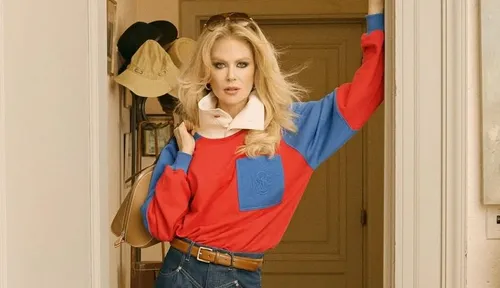
Nicole Kidman's British Vogue cover has been a topic of discussion online, with some people questioning whether the photograph is AI-generated. While there is no evidence to suggest AI was used, the reaction points to a growing awareness of the aesthetic created by synthetic faces. Plastic surgeon Dr. Omar Tillo explains that people often describe a face as "AI-generated" when they notice an unusually polished appearance, such as smooth skin and clean facial contours.
Real skin has texture and subtle variations that are less noticeable in everyday life. When those features are removed or softened, especially in close-up portraits, the face can start to look synthetic. Lighting, professional retouching, and high-definition photography have been used for years to achieve this look, but generative AI has made it more familiar to the public.
In Kidman's Vogue shoot, the styling, including bleached brows, dramatic makeup, and an exaggerated hairstyle, contributes to a radically different visual impression from everyday life. As people become more accustomed to seeing synthetic faces online, they are becoming more sensitive to the aesthetic, recognizing the differences even if they can't immediately explain why.
This trend is not exclusive to AI-generated images, as conventional beauty photography has also been using lighting, makeup, filters, and retouching to achieve similar results. The line between an edited photograph and a synthetic image is becoming increasingly blurred, prompting us to be more conscious of what we are looking at.
Written by urgent.news from IOL's reporting — not their text. Machine-written — may contain errors; check the original before relying on it.