What Japanese says when family obligations take an unexpected turn
Marriage may end with death, but family obligations can persist — and Japanese has words for the contradiction.
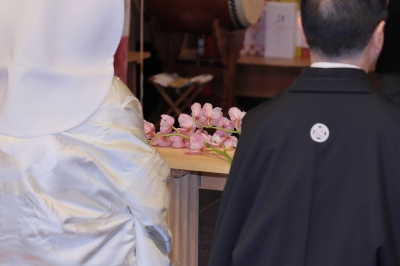
The Japanese concept of marriage extends beyond the two individuals involved, encompassing a deeper cultural expectation. Traditionally, 結婚 (kekkon) was understood as joining two individuals into a 家制度 (ie seido, family household system). This system, which persisted until 1947, emphasized the continuity of the household across generations and placed the eldest son, 長男 (chōnan), in a pivotal role.
The 長男 was expected to inherit the family name, property, and assume legal responsibilities, known as 扶養義務 (fuyō gimu), towards his parents. This cultural expectation, known as 配偶者 (haigūsha) obligations, continued even after the spouse's death, a notion encapsulated in the phrase 死が二人を分かつまで (Shi ga futari o wakatsu made, "Till death do us part").
Written by urgent.news from Japan Times's reporting — not their text. Machine-written — may contain errors; check the original before relying on it.