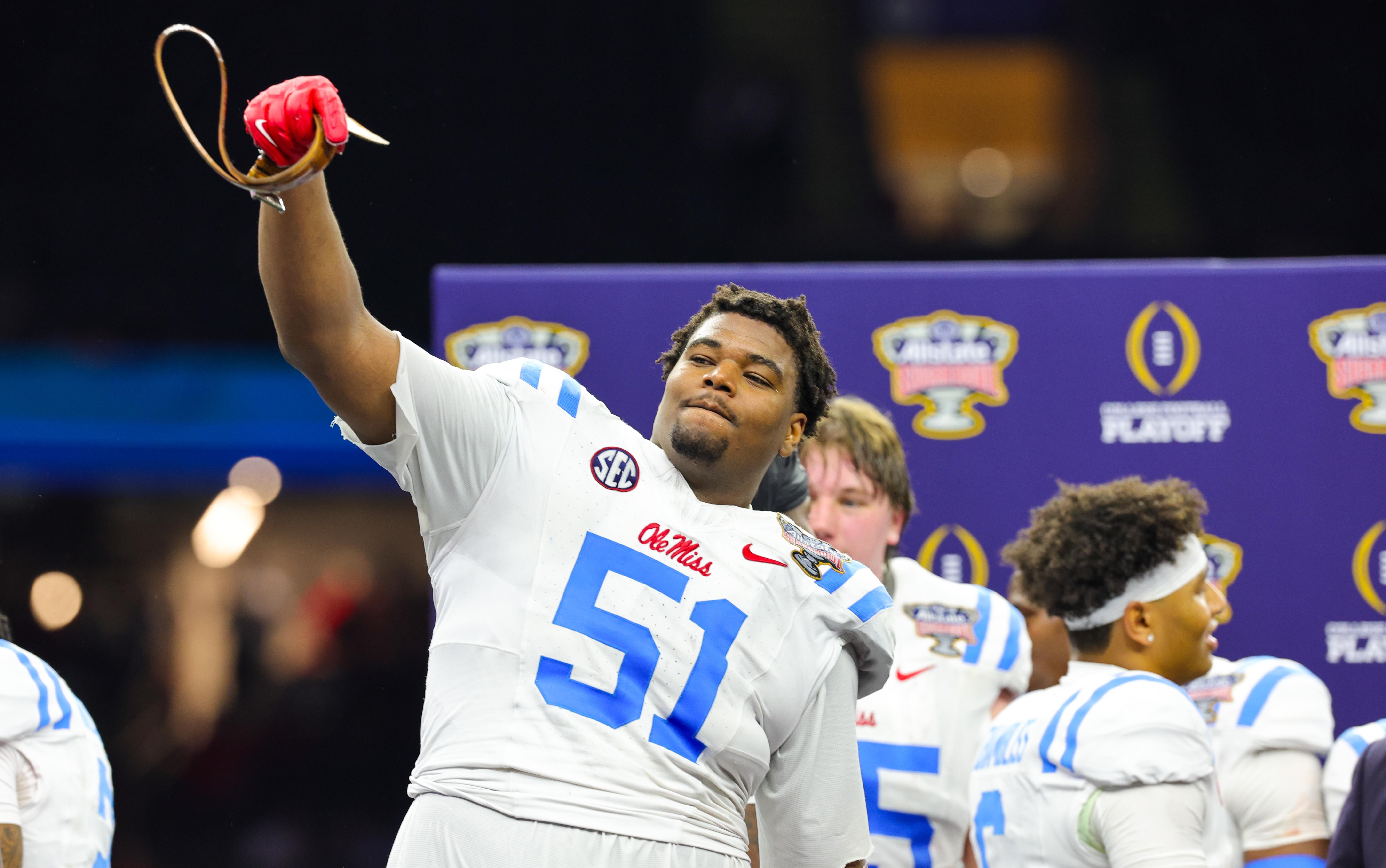
What happens during a football medical?
BBC Sport's Ask Me Anything team explain what is involved in a medical exam when a football player joins a new club.

A football medical is a comprehensive assessment of a player's health and fitness to determine their suitability for joining a new club. The process can last up to six hours and includes various examinations such as physical exams, cardiovascular tests, lab tests, musculoskeletal assessments, and neurological evaluations. These tests aim to evaluate the player's overall health, including height, weight, blood pressure, heart rate, muscle strength, joint mobility, bone density, and neurological function. Doctors also conduct blood tests, liver function assessments, urine tests, and drug screenings.
Medicals are not mandatory for players to sign a transfer deal, but they serve as a crucial tool for clubs to make informed decisions about potential signings. The results are shared with the buying club's medical team, who analyze the information and discuss with the manager and coaching staff. If the results raise any concerns, the club may decide against signing the player, weighing the risks and benefits involved.
In some cases, players have failed medicals due to issues discovered during the examination. For instance, Ruud van Nistelrooy's move to Manchester United in 2000 was delayed after he ruptured his anterior cruciate ligament shortly after the deal was delayed. Similarly, Peterborough United's George Boyd's transfer to Nottingham Forest in 2013 fell through due to an inconclusive eye test, although Boyd continued to play for other clubs.
More recently, Kurt Zouma's proposed move to Shabab Al-Ahli in 2024 was called off after he failed a medical examination.
Written by urgent.news from Yahoo Sports's reporting — not their text. Machine-written — may contain errors; check the original before relying on it.