Wave Browser Links Everyday Browsing to Ocean Cleanup
Most people choose a web browser for practical reasons: speed, familiarity, compatibility and convenience. Environmental impact is less commonly part of the decision. Wave Browser, however, is attempting to make it one of the factors consumers consider. Developed by Eightpoint, Wave is a Chromium-based browser that combines standard browsing functionality with features intended to help […]
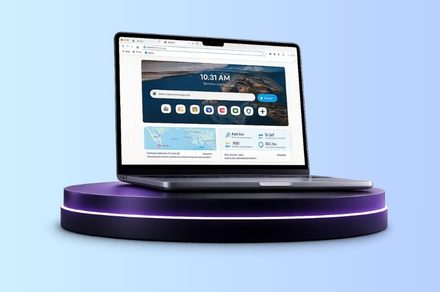
Most users select a web browser based on practical factors: speed, ease of use, compatibility, and convenience. Environmental impact rarely plays a role in the decision-making process. Wave Browser, an innovative product from Eightpoint, aims to change that by incorporating eco-friendly features into everyday browsing. Rather than focusing on technical specifications, Wave's standout feature is its partnership with 4ocean, a non-profit organization dedicated to ocean cleanup.
This collaboration not only supports the removal of plastic and other waste from water bodies but also provides users with a way to contribute to environmental causes while they browse the web. The environmental aspect of Wave Browser raises several questions for potential users. How does this initiative work, and does it make the browser stand out from the alternatives they already use?
Wave operates on Chromium, the open-source platform that powers several popular browsers, ensuring a familiar user experience while allowing Wave to introduce its own features, protections, and environmental focus. Unlike other browsers, Wave is designed for everyday tasks such as searching, visiting websites, and managing online activities.
Matthew Martinez, Director of Product for Eightpoint's Desktop team, emphasizes that Wave's environmental commitment is integrated into the browser, alongside features that make browsing more organized and efficient. For consumers, this balance is crucial. An environmental mission might initially grab attention, but users typically evaluate a browser based on its performance, compatibility, privacy, security, and overall user-friendliness.
Wave's main selling point is its Certified Cleanup Partnership with 4ocean. This partnership does not claim that individual browsing actions directly remove plastic. Instead, it supports ongoing cleanup operations through the 4ocean initiative while users carry out their regular browsing tasks. This distinction ensures that the company's funding efforts are separate from any claims about the direct environmental impact of user actions.
Matthew Gezgin, CEO of Eightpoint, explains that Wave simply seeks to link an existing online activity with a measurable environmental initiative without imposing additional tasks on users. Users are not required to complete environmental challenges or alter their browsing habits. The partnership handles the cleanup work, while Wave's role is to fund and promote this initiative.
According to Eightpoint, the Wave and 4ocean collaboration has removed over 100,000 pounds of plastic and other debris as of now, with a goal of 300,000 pounds by 2028. This specific target gives users more concrete information than generic claims about helping the ocean. Wave provides detailed information about the cleanup organization, the type of waste being removed, and the measurable progress towards its targets.
This transparency helps consumers understand how their browsing activity contributes to environmental efforts without confusing the relationship between individual actions and real-world outcomes. While Wave's environmental approach might be less attention-grabbing than other eco-conscious marketing tactics, it offers a more accurate representation of how browsing can support cleanup efforts.
Users should consider several factors when evaluating Wave: What environmental work is the partnership supporting? Who carries out the cleanup? How are the results quantified? How can these results be tracked? What milestones have been set, and when is the company aiming to achieve them? The partnership's website and Wave's own materials provide answers to these questions through a transparent fact sheet or FAQ.
For some users, Wave's environmental program may be a compelling reason to try the browser. It offers a unique way to connect routine digital activities with tangible cleanup initiatives without requiring users to purchase separate memberships or perform extra tasks. However, this feature alone may not be enough to persuade a user to switch from a browser they already trust.
Before making a change, users will likely assess Wave's performance in daily use, its compatibility with essential websites and tools, and its privacy, security, and organizational features compared to other options. In summary, Wave Browser's environmental positioning serves as a differentiator rather than a replacement for core browser functionality.
It appeals primarily to consumers who are already considering alternatives and are interested in supporting environmental causes as part of their decision-making process. For those satisfied with their current browser, Wave will need to demonstrate enough practical value to justify the switch.
Written by urgent.news from Digital Trends's reporting — not their text. Machine-written — may contain errors; check the original before relying on it.
This story
This is one outlet's version. Read the fullest account.
- Wave Browser Links Everyday Browsing to Ocean Cleanup digitaltrends.com