Virginia county with 250 data centers begins to rein in building — Loudoun’s more than 250 data centers made it one of the richest counties in the US, but residents are pushing back
Loudoun County recently changed its zoning policy which treated data centers as office parks. These projects now have to go through an approval process from the people and the local government, a significant change after more than 25 years of easy approvals.
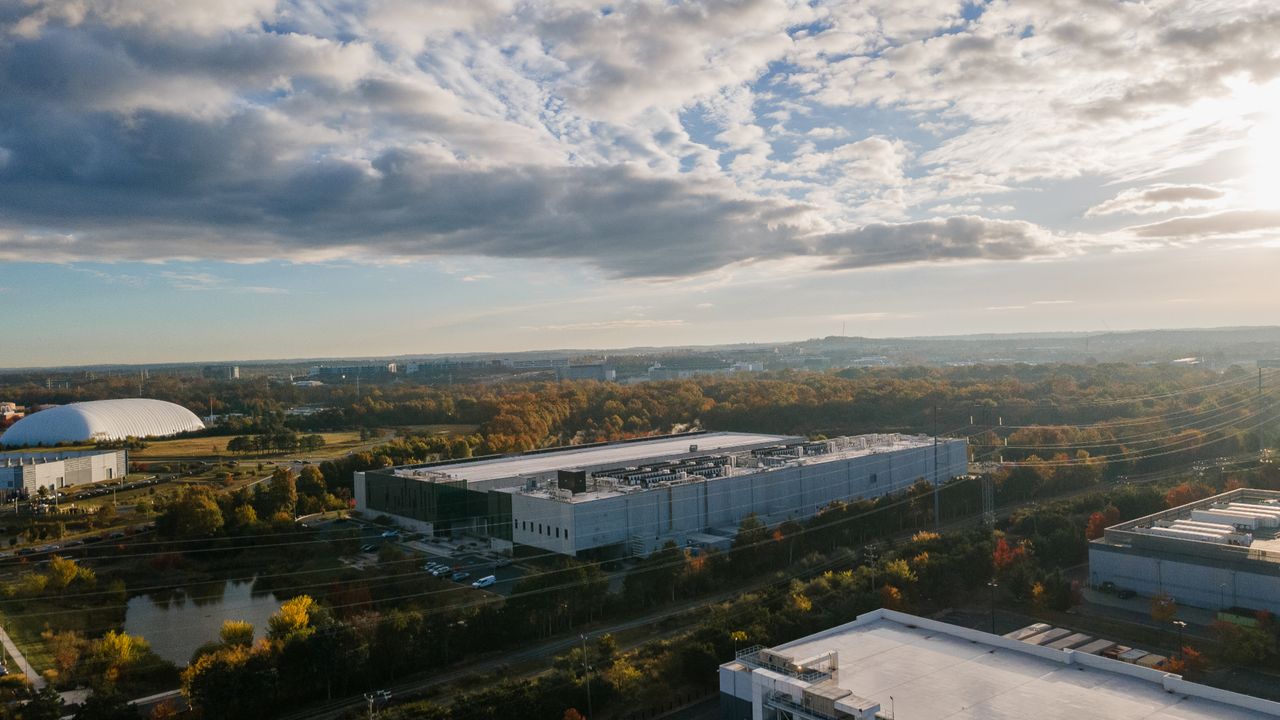
Loudoun County, Virginia, situated just 22 miles west of Washington, D.C., holds the distinction of having the highest concentration of data centers in the entire United States. Initially, the county's rapid growth in data center construction, fueled by years of federal demand and the dot-com boom of the late 1990s, led to a significant influx of economic benefits, including a substantial $150 million income in 2015 that skyrocketed to $1.1 billion by 2025.
This surge in revenue enabled Loudoun to cut property taxes to an astonishing $0.805 per $100 of assessed value, making it one of the lowest in the nation, particularly for a suburban area. Consequently, the county was able to invest in various public services, such as building new schools and expanding its recreation facilities, fire and emergency services, and even converting a former presidential estate into a public park.
However, as the county's reliance on data centers for its economic prosperity grew, so did concerns from residents about the environmental and quality of life impacts associated with these facilities. Several local governments and states have since passed moratoriums on new data center developments due to issues such as excessive water consumption, escalating electricity prices, noise pollution, and allegations of air pollution.
In response, Loudoun County recently modified its zoning policies, requiring all data center projects to undergo an approval process by the public before construction can proceed. This change has slowed down the development process significantly, and some residents are contemplating rejecting new projects altogether. Despite these challenges, data centers still play a crucial role in supporting the digital economy and ensuring the smooth operation of online services, like social media platforms and e-commerce websites.
Written by urgent.news from Tom's Hardware's reporting — not their text. Machine-written — may contain errors; check the original before relying on it.