UK faces climate rethink after summer of extreme heat and drought
Long accustomed to preparing for cold and wet weather, the United Kingdom is confronting a very different challenge: How to cope with increasingly hot and dry conditions.
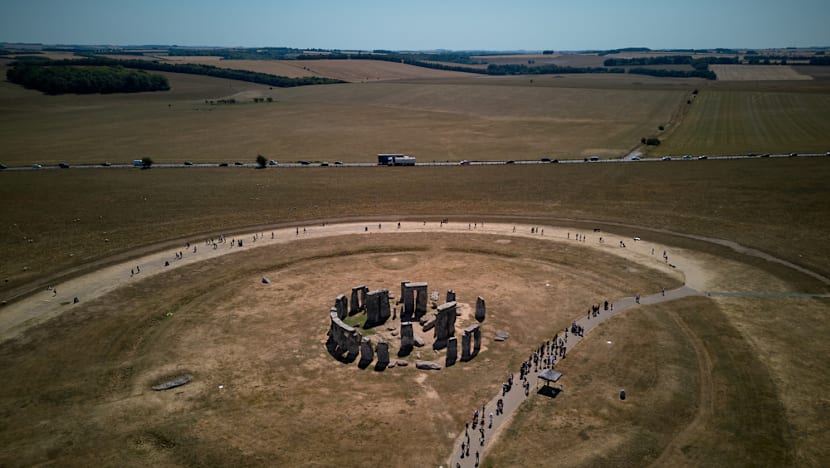
For months, extreme heat and drought have plagued the United Kingdom, revealing the nation's vulnerability to a warming climate. The Met Office predicts this summer could be the warmest on record, with parts of the country experiencing record-low rainfall. Experts warn that adapting to these conditions could come with significant costs.
The June heatwave alone caused over US$1.5 billion in economic losses due to lost working hours, according to the London School of Economics (LSE). The intense heat has impacted agriculture and worker productivity, with Bob Ward, policy director at LSE's Grantham Research Institute, stating that it has "led to billions of pounds being lost to the economy through reduced productivity."
Drought conditions have been severe, with 71.3% of England under drought. The UK government imposed irrigation restrictions on farmers and water use restrictions on over 27 million people. Many water companies introduced temporary hosepipe bans, preventing non-essential water use like washing cars and watering gardens.
Wildfires have also become more frequent, with the number of incidents already surpassing last year's total. The wildfire season could extend into November, posing a significant threat to homes and infrastructure. To prepare for a hotter climate, the government plans to build nine new reservoirs and help hospitals, schools, and homes adapt to extreme heat. However, this could involve redesigning buildings to keep heat out and potentially introducing air conditioning, which may not be affordable for everyone.
Written by urgent.news from Channel News Asia's reporting — not their text. Machine-written — may contain errors; check the original before relying on it.