Turn your yellow grass into a lush green lawn by fall — just do this one thing experts recommend
How to transform a yellow lawn: One expert-backed fix for August.
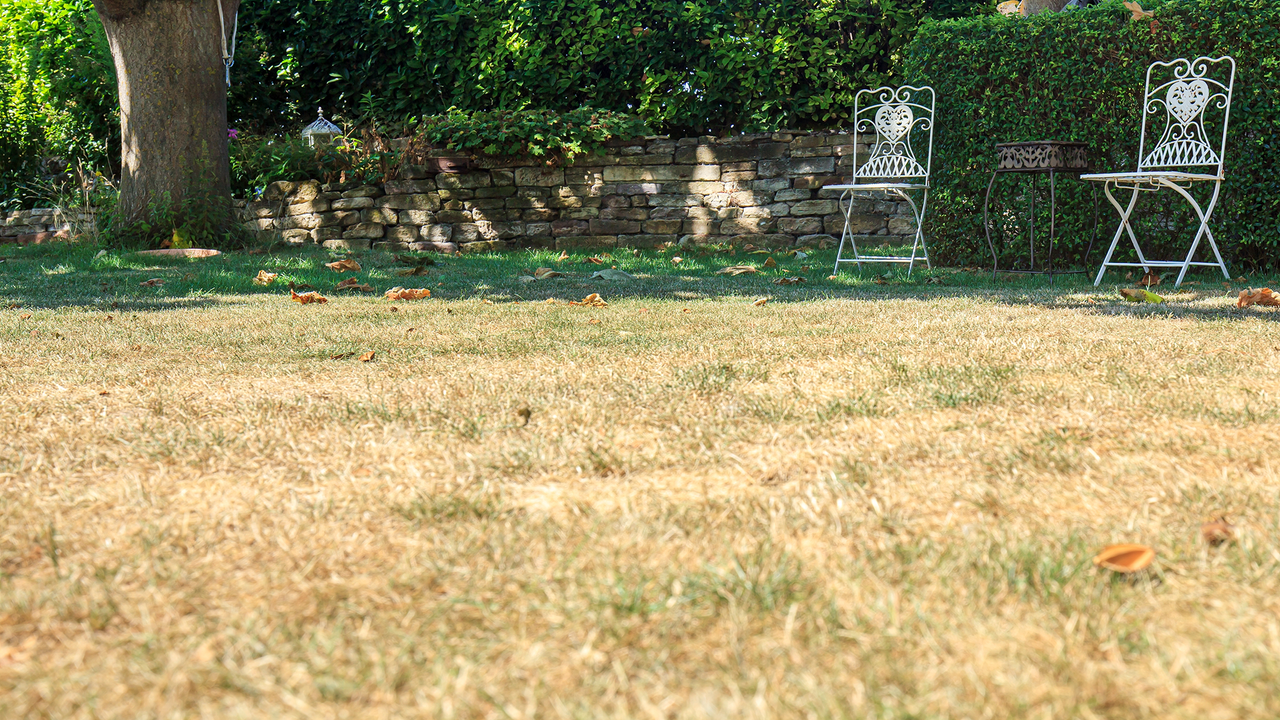
As the scorching summer persists and rainfall remains scarce, even resilient lawns are struggling to maintain their green hue. My own lawn has transformed into a sandy expanse rather than a verdant landscape. While I contemplate replacing portions of my lawn with gravel, hope is not entirely lost. By undertaking a single action in August, you may soon bask in a lush green lawn for the fall season. Do not lose faith – your lawn can survive.
Walking across my currently parched lawn, I feel sand beneath my feet and hear a snap as brittle blades break. This year has been the most challenging for my lawn, yet adhering to one key lawn care step could dramatically alter its appearance. Surprisingly, a seemingly hopeless brown or yellow lawn may revive when faced with sufficient hydration.
Jonathan Davis, a grass expert at Lawnsmith, reassures that most brown lawns are merely dormant and have not completely perished. During periods of low moisture, grass prioritizes root system protection, causing the visible grass above the soil to lose its color. Once it receives adequate hydration, the lawn will begin to thrive again.
However, due to the parched soil, intervention is necessary to ensure water reaches the roots. Without interference, water may pool on the surface and fail to penetrate the soil. This is where a specific lawn hack comes into play, aiding the lawn in absorbing the necessary elements to regain its full health.
To begin, aerate your lawn, and all you need is a garden fork. During drier months, soil becomes compacted, hindering airflow, water absorption, and nutrient access. Inserting a garden fork or an aerator into the soil creates small holes that facilitate water, oxygen, and nutrient penetration, reinforcing the root system. If using a garden fork manually, follow these steps:
1. Insert the fork roughly 6 inches deep into the soil.
2. Push forwards as you remove the fork from the ground. This will enlarge the holes, create additional cracks for aeration, and allow for easy fork removal.
3. Repeat the process, spacing the holes around 5-6 inches apart, until the entire lawn surface is covered.
Alternatively, you can use a specialized lawn aerator, such as the Rolling Lawn Aerator, 21 inch, priced at $69. Reviewers praise this robust tool, which is easy to assemble and ideal for small areas. Test your lawn for compaction using the screwdriver test; gently push a long screwdriver into various sections of the lawn. If the screwdriver goes in easily in some areas but encounters more resistance in others, particularly where furniture, pools, or heavy foot traffic have been present, the soil may have become compacted.
This quick test enables homeowners to identify and address compacted areas before aerating the entire lawn.
Written by urgent.news from Tom's Guide's reporting — not their text. Machine-written — may contain errors; check the original before relying on it.