Trump escalates economic war on Iran: Can sanctions and oil blockade force Tehran to cave in?
Trump unleashes economic war on Iran: Will it work?
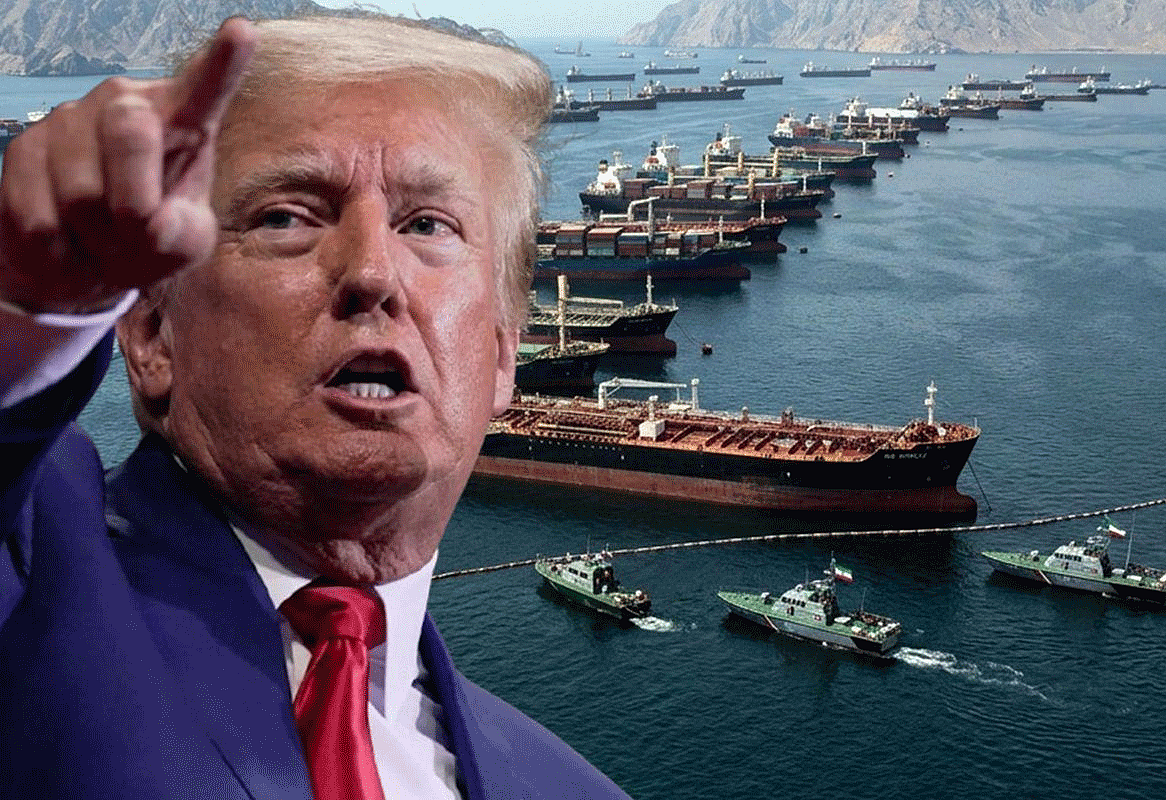
Dubai: After nearly six months of conflict, President Donald Trump is attempting a new approach to compel Iran to submit: intensifying economic sanctions until Tehran can no longer afford to resist. The US president has declared a "MOST CRUSHING ECONOMIC OPERATION EVER TAKEN AGAINST ANY COUNTRY," threatening not only Iran but also nations, banks, and businesses that sustain its economy.
This approach marks a significant change in strategy. Washington now believes that economic pressure could achieve what military action and diplomacy have not yet accomplished - compel Iran to accept terms favorable to the US. So, what precisely is Trump aiming to accomplish, how vulnerable is Iran, and which side can bear the strain longer?
What lies ahead in this Iran standoff? Seeking a Resolution: Trump's plan centers on severing Iran's connections to the global economy. The administration has threatened countries permitting their financial institutions, businesses, airports, or government entities to facilitate transactions with Iran, potentially subjecting them to US penalties.
Specifically, Iran's oil smuggling, swap lines, cash transfers, exchange houses, ship registries, and front companies have been singled out as key mechanisms Tehran has utilized to bypass Western sanctions. Iranian Foreign Minister Abbas Araghchi dismissed Trump's plan as an extension of "failed policies," warning that continued reliance on such measures would lead to further setbacks for the US.
He also accused the US of employing "economic terrorism" that endangers the global economy and national sovereignty. Simultaneously, the US is targeting Iran's most crucial revenue stream: oil. A blockade of Iranian ports has significantly reduced the volume of oil shipments from Iranian tankers. According to data from Kpler cited by CNN, shipments have plummeted to a fraction of their levels between February and April.
Disrupting Iran's Economy: In an effort to crush Iran's economy, the US plans to choke Iranian crude exports and diminish Tehran's primary source of foreign revenue. Banks handling Iranian money and foreign banks facing secondary sanctions are targeted. Cash transfers, exchange houses, front companies, and other networks used to evade sanctions are to be disrupted.
Ship registries, tankers, and companies facilitating the movement of Iranian oil are also on the US hitlist. Targeting Iran's Trading Partners: The strategy includes pressuring countries and businesses providing Tehran with an economic lifeline. China, the biggest remaining buyer of Iranian oil, presents the toughest part of the strategy.
Willing China to Threaten: The ultimate test may be China. Beijing remains a major purchaser of Iranian oil, meaning the US may ultimately have to confront Chinese financial institutions involved in processing Iranian transactions. This would force Trump to make an awkward choice between addressing China and maintaining US-China relations.
The Effectiveness of Trump's Strategy: To make the strategy truly effective, the US would need to disrupt the intricate international network of banks, shipping companies, intermediaries, and trade routes that Iran has developed over decades to survive sanctions. However, Trump opts for a more cautious approach, as mounting international pressure increases the likelihood of his strategy failing.
Iran's Worsening Situation: Iran's economy is deteriorating rapidly. The International Monetary Fund predicts an economic contraction of more than 5% this year, its worst decline in nearly four decades. Inflation has reached near 80%, and the rial has plummeted to record lows against the dollar, leaving many Iranians struggling to afford even basic necessities.
While Iran still possesses approximately 80 million barrels of oil outside the blockade, mainly committed to China, the stockpile can generate only around four months of export revenue at current prices and a discharge rate of about 650,000 barrels a day. Iran's Resilience: Despite the worsening economic conditions, Iran has shown remarkable resilience.
The regime has managed to withstand years of sanctions, ongoing war, and widespread hardship. Gregory Brew, a senior analyst at Eurasia Group, notes that Tehran has endured previous economic pressures and sanctions without giving in. Daniel Citrinowicz, a former head of the Iran branch in Israeli military intelligence's research division, shares similar skepticism, arguing that severe economic pressure may not fundamentally alter Tehran's calculations.
The Path Forward: Will Iran yield to Trump's pressure? This remains the central weakness in the administration's strategy. Ending Iran's economy sufficiently to change Tehran's behavior might take months, if not years.
Written by urgent.news from Gulf News's reporting — not their text. Machine-written — may contain errors; check the original before relying on it.
Also reported by 1 other outlet
- Iran dismisses US economic threats and other developments in the Middle East winnipegfreepress.com