True friends stab you in the front? The importance of debate in today’s world
“True friends stab you in the front?” This is a quote most likely to be misattributed to Oscar Wilde. What he wrote instead in The Devoted Friend was: “But what is the good of friendship if one cannot say exactly what one means? Anybody can say charming things and try to please and to flatter, but a true friend always says unpleasant things, and does not mind giving pain.” This is Legal Tales’…
True friends, or so the quote goes, cut you on the inside. This is a sentiment that's often mistakenly attributed to Oscar Wilde, who actually penned these words in The Devoted Friend: "But what is the good of friendship if one cannot say exactly what one means? Anybody can say charming things and try to please and to flatter, but a true friend always says unpleasant things, and does not mind giving pain."
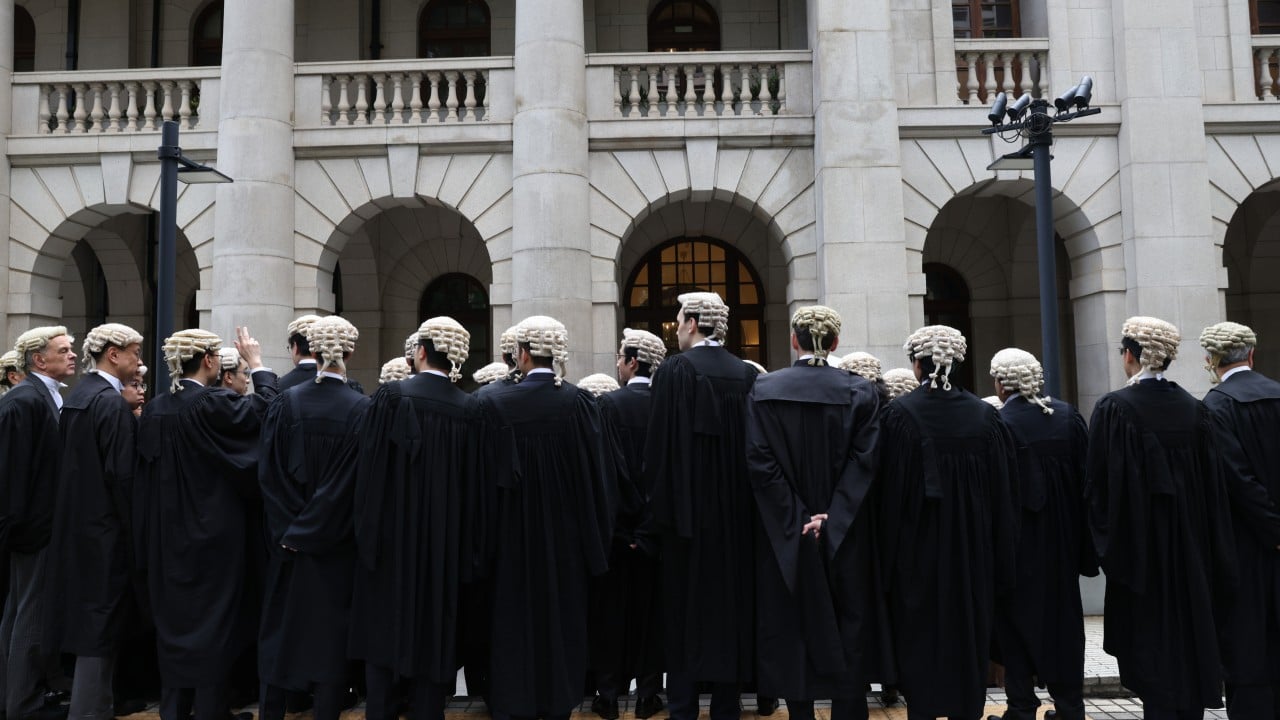
This is the final column from Legal Tales, marking their 70th and concluding piece. Throughout their 70 columns, they endeavored to clarify the legal system in plain language and underscore its significance. Barristers have always considered it part of their duty to elucidate legal matters to the public and contribute to issues of public interest, particularly those involving legal rights and the administration of justice.
This role is inherent to their profession, stemming from the self-employed nature of barristers practicing independently without a firm or partners. Such an arrangement inherently reduces the potential for conflicts that might hinder their ability to candidly discuss legal matters. The Bar is not merely a self-regulated profession under court supervision, but also a "trade union" in the traditional sense.
However, it transcends these attributes. Legal professionals view their paramount responsibility as safeguarding the rule of law, judicial independence, and fundamental rights, all of which are constitutionally protected under the Basic Law and the "one country, two systems" framework. Within this division of duties, the judiciary is entrusted with protecting individual rights, an aspect it is historically equipped to handle without the need to voice its own defense.
This duty falls upon the secretary for justice and the legal profession, including barristers. Around the globe, we observe a decline in confidence in the judiciary within numerous jurisdictions. This erosion is often attributed to the politicization of judicial appointments or the removal of judges for political reasons. In Hong Kong, however, we can take pride in a system where judges are selected solely based on their judicial and professional qualifications, with no judicial removals based on political or irrelevant grounds.
Yet, the deepening polarization of political or ideological perspectives in many societies, including Hong Kong, has led to a growing public perception that the court's work and decisions are merely evaluated by whether one agrees with the outcome. Rather than scrutinizing the reasoning behind decisions, people tend to dismiss judgments based on their conclusions, often labeling them as biased or flawed.
Returning to the inspiration behind this column, the aim was to deepen public comprehension of the legal system and intricate issues beyond simplistic dichotomies. It sought to stimulate debate and discourse on legal matters, promoting an environment where diverse viewpoints can flourish. However, it's crucial to remember that the beauty of a free society lies in encouraging a healthy competition of ideas, where the most compelling arguments rise to the surface.
For this to thrive, discussions must remain open, honest, and well-informed. The opinions presented by the barrister columnists are their personal views, intended to enrich this debate and contribute to Hong Kong's public welfare. While the columnists' perspectives are their own, they are committed to enriching the public discourse for the betterment of Hong Kong.
Those who cherish their city are obligated to contribute their ideas and efforts in good faith to enhance our community. In the spirit of Oscar Wilde, this endeavor may necessitate voicing uncomfortable truths, sometimes causing pain, and refraining from superficial flattery. Legal Tales extends gratitude to the South China Morning Post for providing this platform to publish their work, acknowledging their commitment to timely delivery.
They also express appreciation to their readers for their interest and feedback, which inspire further reflection. Jose-Antonio Maurellet SC serves as the current chairman of the Hong Kong Bar Association and a commercial litigator. Legal Tales, presented by senior members of the Hong Kong Bar Association, offers weekly online columns featuring their insights on current events.
Written by urgent.news from South China Morning Post - Hong Kong's reporting — not their text. Machine-written — may contain errors; check the original before relying on it.