Treasury buybacks could set up Bitcoin’s next move toward $180,000, says strategist
Longtime bond market investor Mark Connors sees routine government bond buybacks improving liquidity and bringing bitcoin’s next rally closer.
On August 20, the US dollar hit a three-month low as the Treasury Department sought to alleviate concerns in the bond market. The Treasury Department's decision to increase buybacks of Treasury securities with maturities between 10 and 30 years was aimed at reassuring markets that long-dated bonds would not face a disorderly sell-off.
As a result, the US dollar index, which measures the dollar against six other currencies, fell to 98.723, its lowest level since May 14. The euro strengthened to US$1.1692, its highest level since mid-May. Christopher Turner, the ING global head of markets, stated that the Treasury's move should ease market worries and be positive for the overall investment environment, albeit somewhat negative for the dollar.
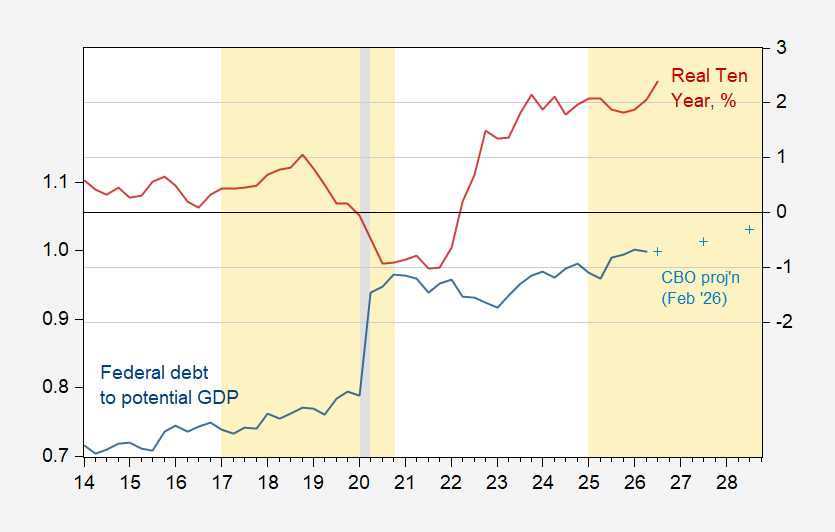
Investors have been facing challenges in the global bond market due to growing concerns over mounting government debt and potential higher oil prices caused by the ongoing US-Israeli conflict with Iran. The 30-year Treasury yield reached a 19-year high of 5.337 percent during the week. However, it later settled at 5.198 percent, after falling 9 basis points following the Treasury's intervention, which redistributed the government's borrowing towards short-term bills.
The overall weakness in the dollar brought some relief to the Japanese yen, which rose from the 160 level to 158.41 per US dollar. This marked a respite from its previous advance. The yen had been under scrutiny since a rare joint intervention by US and Japanese authorities at the end of July aimed to stabilize its decline, which had dropped to a 40-year low near 164 per US dollar.
Furthermore, inflation concerns intensified following the Federal Reserve's meeting in July. Several policymakers were inclined to increase interest rates, and many emphasized that borrowing costs would likely need to rise if inflation did not decrease to the US central bank's 2 percent target, as revealed in the minutes of the session.
Ariane Curtis, a senior North America economist at Capital Economics, noted that the Fed's July meeting had led to a more hawkish stance from the committee, but the subsequent soft data on inflation, labor market, and activity suggested that interest rate hikes were unlikely in the near future.
Written by urgent.news from Straits Times Business's reporting — not their text. Machine-written — may contain errors; check the original before relying on it.
This story
This is one outlet's version. Read the fullest account.
- Tension in US debt: Treasury announces it will double bond buybacks and manages to lower long-term yields thecorner.eu
- British Pound: Sustained break above 1.3650 may open 1.41 – Scotiabank fxstreet.com
- Gold reclaims momentum as US Treasury move sparks bullion rush, gains 2% in a day thehindubusinessline.com
- The biggest loser from the Treasury’s latest buyback plan: The U.S. dollar. Here’s why. marketwatch.com
- US dollar falls to three-month low as Treasury moves to soothe bond jitters straitstimes.com
- Dollar hits 3-month low vs euro, pares losses after Treasury move finance.yahoo.com
- Dollar hits 3-month low vs euro, pares losses after Treasury move channelnewsasia.com