TIME's Longevity Leaders Are Racing to Add Good Years to Your Life
TIME set out to find some of the most innovative leaders who are starting to show concrete results in helping us to live longer, better.

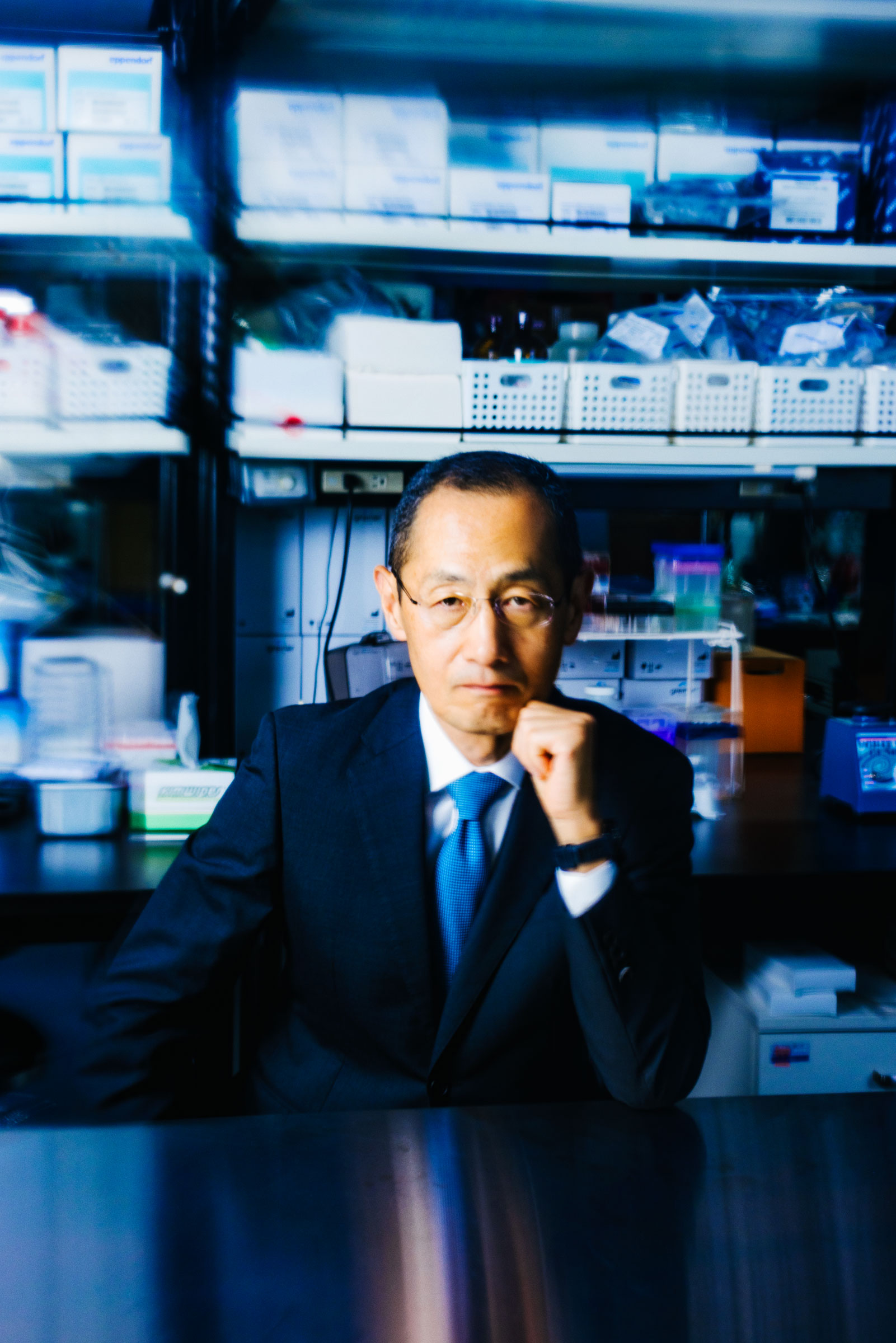
Nobel laureate Shinya Yamanaka runs almost daily, a habit that carries extra significance given his groundbreaking research in longevity. Upon his return from a strenuous run in July during one of Kyoto's intense heatwaves, he engaged in a conversation with senior health correspondent Alice Park regarding his career and impact on the burgeoning longevity research field, 20 years post his seminal discovery.
Yamanaka is among TIME’s 2026 Longevity Leaders displayed in this week’s edition, spotlighting 12 pioneering figures set to redefine a longer, healthier lifespan. Our objective was to identify the most innovative leaders already yielding tangible results to enhance our longevity and quality of life. Several visionary scientists, including Harvard geneticist David Sinclair and Altos Labs’ Juan Carlos Izpisua Belmonte, have adapted Yamanaka’s original concept to target cellular aging in various human body components.
Other key players have distinguished between pseudo science and genuine research, exemplified by Jamie Justice who governs XPrize Healthspan, a $101 million longevity science competition funding groundbreaking research globally. Furthermore, some are tackling the critical issue of societal adaptation to a growing elderly population.
AARP CEO Myechia Minter-Jordan is spearheading this transformation in aging advocacy. Although we are firmly entrenched in a longevity boom, where the discipline has firmly established itself as credible science, we remain in the nascent stages. Currently, there is no validated longevity medication capable of extending human lifespan.
(To the best of our knowledge: Nir Barzilai is exploring the potential of repurposing existing drugs as longevity enhancers.) However, there are actions within our grasp. Engaging in physical activity, akin to Yamanaka's daily regimen, building muscle, a vital organ according to Dr. Gabrielle Lyon, and fortifying social connections, as Dr. Robert Waldinger has discovered through directing the world’s longest study on human happiness, are essential strategies in the pursuit of optimal health throughout our extended years.
TIME’s 12 Longevity Leaders recognize that medical, physical, and social approaches collectively form the cornerstone of our quest to live as well as possible for as long as possible.
Written by urgent.news from Time's reporting — not their text. Machine-written — may contain errors; check the original before relying on it.