This Alex Singer bike was built to withstand gravel trails 78-years-ago
Hand-built from top to bottom, this was a bike designed to push innovation to the limit
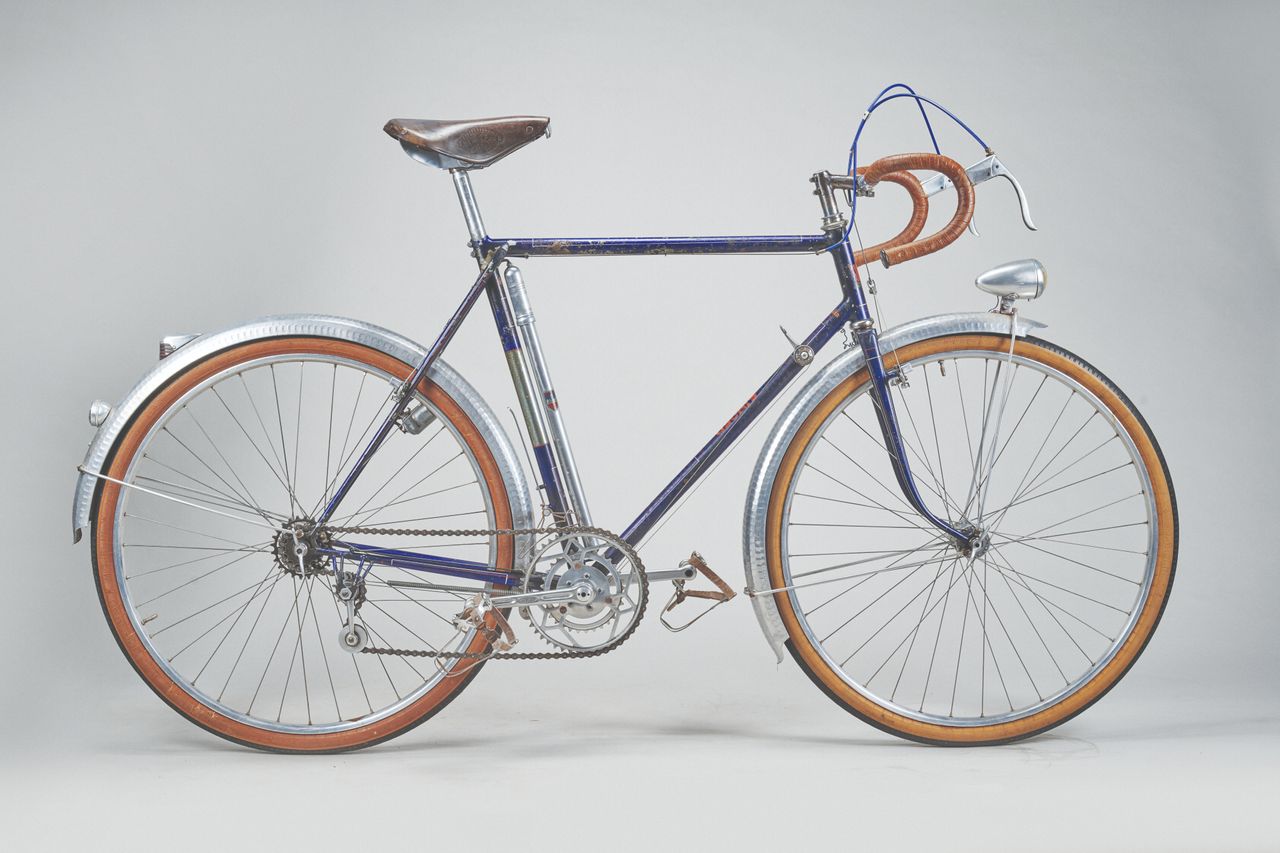
This 1947 Alex Singer bike was purposefully crafted to endure challenging gravel trails in the 1930s and '40s. The French Technical Trials, or Concours de Machines, were notorious competitions for bicycle manufacturers, testing bikes' resilience on the gruelling gravel tracks of the Massif Central, covering distances of 460km or more. The races primarily judged the bikes, not the riders, sparking fierce competition among elite French constructeurs like Barra, Reyhand, Narcisse, René Herse, Jo Routens, and Alex Singer.
Remarkably, the 78-year-old Alex Singer team bike weighs only 9kg, including all accessories, such as the rack, pedals, dynamo, lights, metal mudguards, and thick 650b-fit tyres. This weight is comparable to many contemporary mid-tier carbon gravel bikes. Richard Hoddinott, a current owner and vintage specialist at Velo Pages, describes the bicycle as embodying the ultimate achievement of Alex Singer's design: "It's so understated, it's striking."
The bike reveals numerous weight-saving details, such as the skeletal front mech, unique rear derailleur 'hanger,' and novel cam-operated brakes, all created in-house. Alloy was utilized wherever possible instead of steel. The Stronglight Diament Touriste L.V. 49 chainrings showcase minimalism, and the brazed, lugless frame, made from Vitus tubing, can easily fit on modern bikes from the 1960s, '70s, or later.
Many modern bicycle innovations originated from Singer's team during their trials in the rough slopes of the Massif Central.
Written by urgent.news from Cycling Weekly's reporting — not their text. Machine-written — may contain errors; check the original before relying on it.