Thinking beyond risk key to building resilient institutions – Stanbic Bank executive
Organisations seeking to remain competitive in an increasingly volatile global environment must move beyond traditional approaches to risk management and intentionally build institutions that are resilient by design
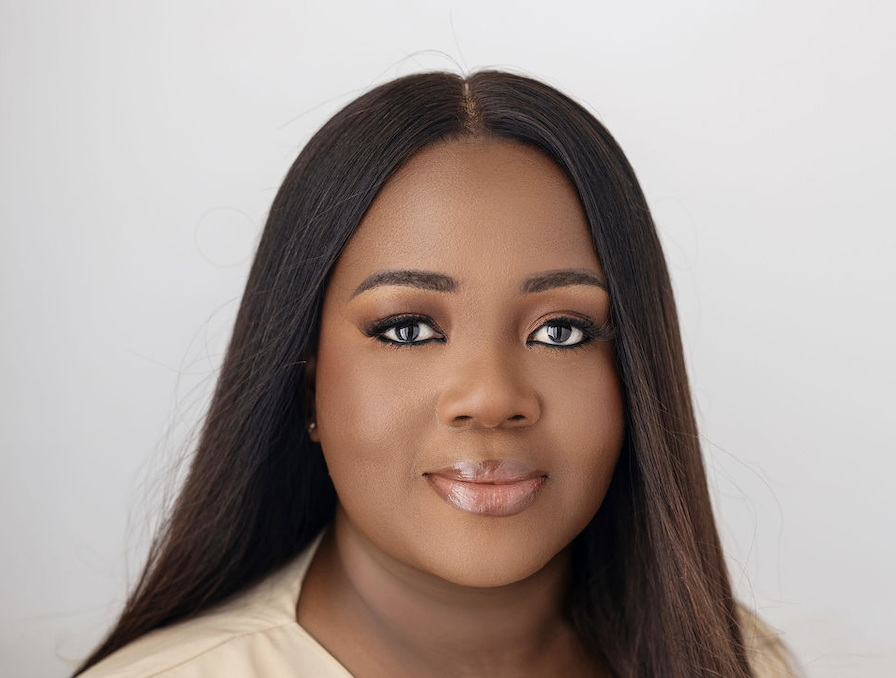
Barbara Dede Ama Okai-Tettey, the Head of Business Enablement at Stanbic Bank, has emphasized that organizations must shift their focus beyond traditional risk management methods to foster resilience from the ground up. During her presentation at the Risk Summit 2026, Okai-Tettey urged business leaders, policymakers, and governance professionals to reconsider the concept of resilience.
She argued that resilience is not about an organization's ability to respond to crises, but rather the caliber of its thinking prior to disruptions.
Okai-Tettey highlighted that while geopolitical instability, cyber threats, artificial intelligence, climate change, financial crime, and economic uncertainty continue to evolve, the institutions set to succeed are those that cultivate critical thinking, quick adaptation, and sound decision-making under pressure. She stressed that resilience is cultivated through intentional leadership, robust governance, and a culture that embraces curiosity, constructive criticism, and disciplined decision-making. The future does not belong to those who eliminate all risks, but to those who think beyond risk.
Okai-Tettey noted that many businesses consider resilience to be increased controls, more policies, and greater regulatory compliance. While these are important, she stressed that they are just part of the equation. She made it clear that policies do not make decisions, nor do controls exercise judgment; people do. She further explained that crises often reveal existing vulnerabilities within organizations.
Whether it's a cyberattack, financial crime, operational failure, or economic disruption, these crises uncover weaknesses in governance, decision-making, or organizational culture. To build resilience, organizations must identify and address these vulnerabilities beforehand.
Furthermore, Okai-Tettey clarified that resilience is a collective responsibility across the organization, not solely the domain of risk, compliance, and assurance teams. She noted that the role of risk professionals is evolving. They are no longer just tasked with identifying issues or preventing failures. Instead, they must help organizations navigate uncertainty by balancing opportunity with accountability and enabling sustainable business outcomes.
Effective governance, according to Okai-Tettey, should create confidence for innovation, not act as a barrier to progress.
The speaker called for a transformation in organizational culture, encouraging leaders to create environments where employees feel empowered to question assumptions, challenge existing thinking, and contribute new ideas. She observed that the strongest institutions are not those where everyone agrees, but rather those where constructive challenge is welcomed, diverse perspectives are valued, and tough discussions are held before difficult decisions need to be made.
Okai-Tettey also emphasized the need for governance frameworks to adapt to the evolving operating environment. With advancing technology, shifting stakeholder expectations, and increasingly interconnected global risks, governance cannot remain static. Organizations must continually strengthen their systems, capabilities, and leadership to remain resilient in the face of future uncertainties.
In conclusion, Okai-Tettey urged organizations to view resilience as a long-term strategic investment, not just a short-term risk mitigation strategy. She stated that success is measured not by the absence of challenges, but by the quality of solutions created. She concluded that every decision, conversation, and constructive challenge contributes to building stronger institutions, and the quality of institutional resilience is ultimately determined by the quality of thinking.
Written by urgent.news from MyJoyOnline Ghana's reporting — not their text. Machine-written — may contain errors; check the original before relying on it.
This story
This is one outlet's version. Read the fullest account.