The secret CIA connection behind NeXT’s survival and Jobs’ return to Apple
A newly reported CIA relationship may have helped keep Steve Jobs’ struggling NeXT afloat, creating an unexpected bridge to his eventual return to Apple.
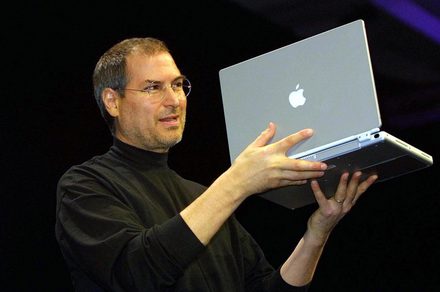
Steve Jobs’ return to Apple is often celebrated as one of Silicon Valley’s greatest comeback stories. However, a new report reveals a lesser-known chapter that may have played a crucial role in his eventual return: a classified partnership between Apple co-founder NeXT and the CIA during the 1980s. According to a Wall Street Journal article by Sharon Weinberger, the CIA became an important customer for NeXT in the late 1980s, purchasing thousands of specially configured workstations at a time when Jobs’ fledgling company desperately needed sales.
The CIA, seeking powerful computing hardware capable of supporting intelligence work, including satellite imagery analysis, approached Jobs in 1986, shortly after he founded NeXT. The agency wanted a machine that could process and share intelligence across military and intelligence networks, but NeXT’s workstations were expensive and struggled to find enough customers due to limited university sales.
The CIA deal changed the equation, committing to buy 20,000 NeXT workstations with modified components and graphics capabilities. This arrangement not only gave NeXT the financial breathing room it needed to survive but also helped the company rapidly increase production. The secret partnership remained hidden from many NeXT employees and even within the federal government, with the National Security Agency publicly listed as the customer.
This hidden relationship gave Jobs the time and resources to rebuild his reputation at NeXT, eventually leading to Apple’s acquisition of NeXT in 1996 and the return of Jobs to the company he co-founded. The story highlights the often-overlooked connections between Silicon Valley and national security, reminding us that the worlds of consumer technology and national defense have been intertwined for much longer than they may appear.
Written by urgent.news from Digital Trends's reporting — not their text. Machine-written — may contain errors; check the original before relying on it.
This story
This is one outlet's version. Read the fullest account.