The most useful part of a toll charge is not the amount
A toll transaction records a time, a location, a lane, a vehicle, and a plate. It reaches most fleets as a single line on a monthly bill. Everything except the dollar figure gets set aside. It is the least useful part of the record. Consider two fleets running similar lanes in one region under identical […] The post The most useful part of a toll charge is not the amount appeared first on…
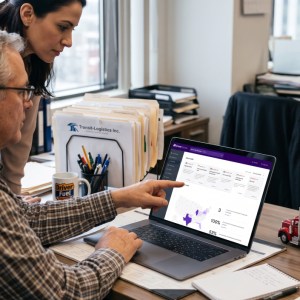
A toll transaction includes a time, location, lane, vehicle and plate number. Fleet records summarize this information without showing the actual toll amount. Two fleets traveling similar routes under identical rates may show different toll expenses due to operational differences, according to the data not typically reviewed. Toll rates are noticeable, but fleets have no control over them.
What they can control is various operational factors behind the charges. 2026 saw rate increases in Pennsylvania Turnpike and MTA facilities. New toll capacity is opening this year in several regions. Fleets can predict these rate changes and budget accordingly, but other factors are harder to anticipate. Toll data reveals operational inefficiencies that are not immediately apparent.
One such factor is the usage of express lanes when not required. Another is drivers taking detours or changing routes unexpectedly. Technical issues like transponder and plate mismatches also contribute to incorrect billing. Charges recorded at incorrect locations or duplicated charges can also cause inaccuracies. This detailed information is generated every time a truck crosses a plaza but rarely used.
Toll analytics is complex due to the large volume of data and the need to cross-reference it with GPS and vehicle records. Artificial intelligence can help by comparing charges with actual operations, flagging discrepancies for review. Toll management software brings together data from multiple agencies into a single invoice. This allows for more focused review of toll transactions, identifying recurring issues and trends.
Starting to address these issues can involve using services that manage violations, maintain continuous plate coverage, and settle violations with agencies.
Written by urgent.news from FreightWaves's reporting — not their text. Machine-written — may contain errors; check the original before relying on it.