Temporary liver coating may improve safety and targeting of mRNA vaccines and cancer therapies
With the commercialization of mRNA vaccines against COVID-19, research and development into the application of mRNA in vaccines and pharmaceuticals is accelerating. In particular, it is attracting attention not only in vaccines for preventing infectious diseases but also in cancer immunotherapy.

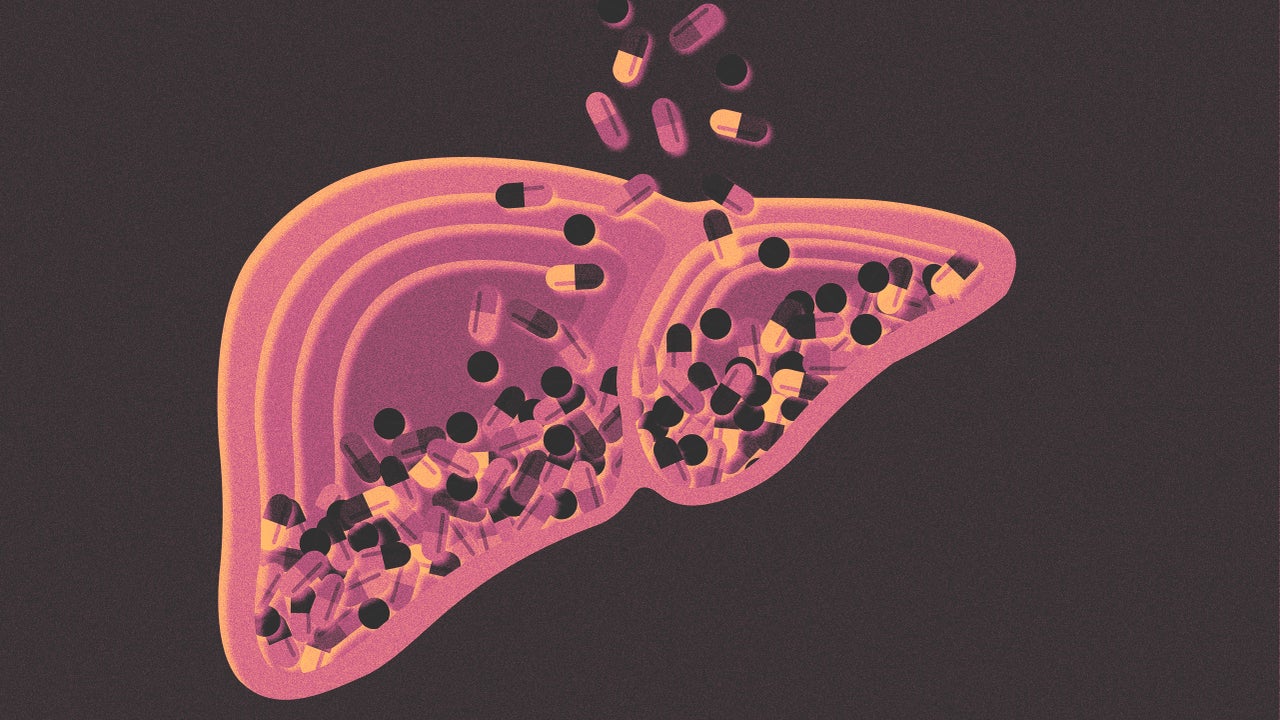
This research, published in the journal ACS Nano, explores a method to improve the safety and targeting of mRNA vaccines and cancer therapies. The study focuses on the challenges associated with lipid nanoparticles, which are used to deliver mRNA within the body. These nanoparticles, while effective, tend to accumulate heavily in the liver, leading to unintended protein production and reduced efficacy when targeting other organs.
The researchers developed a solution by coating the hepatic sinusoidal walls—the entry point for lipid nanoparticles—with polyethylene glycol (PEG), a biocompatible polymer. This coating agent, composed of positively charged peptides linked to two PEG chains, adsorbs to the sinusoidal walls for only a few hours before being excreted, posing no long-term risk to liver function.
The coating selectively targets liver cells without interfering with lipid nanoparticle delivery to other organs. To test its effectiveness, the researchers administered lipid nanoparticles intravenously to mice and observed the liver using a specialized microscope. Without the coating agent, the nanoparticles accumulated in the liver, but pre-administration of the coating suppressed this accumulation.
Additionally, when evaluating the efficiency of protein expression from mRNA, the researchers found that using the coating agent significantly reduced protein expression in the liver, while increasing it severalfold in the spleen. This enhancement in spleen protein expression is beneficial, as it improves vaccine efficacy. The study also demonstrated that the coating agent can improve both the safety and efficacy of vaccines targeting the novel coronavirus spike protein, cancer vaccines, and cancer cytokine therapy, all of which are currently undergoing clinical trials.
Written by urgent.news from Phys.org's reporting — not their text. Machine-written — may contain errors; check the original before relying on it.