Tea Is So Hot Right Now
In Los Angeles, Tea at Shiloh describes itself as a “late night teahouse.” Here, visitors can reserve slots from 7 to 11 p.m. to sip unlimited amounts of tea — at this hour, all herbal, with blends made by each day’s staff — and sprawl out in nooks of plush cushions, in a warmly lit […]
Tea is experiencing a surge in popularity across the United States, with the country importing hundreds of millions of dollars worth of the beverage in recent years. This shift can be attributed to millennials being the most likely to be tea drinkers. The New Consumer reports that matcha, in particular, has become a leading specialty tea drink in cafes, replacing chai.
Teahouses in the U.S. are catering to the demand for a slower, more intentional experience than what one might find at a typical coffee shop. These establishments aim to be a different kind of social space, allowing for deep conversations and a slower pace. For instance, Shiloh Enoki, the founder of Los Angeles' Tea at Shiloh, opened her teahouse to provide a cozy setting for visitors to sip herbal tea and enjoy jazz music.
Enoki's goal was to create an alternative space where people could relax, meet strangers, and engage in meaningful conversations.
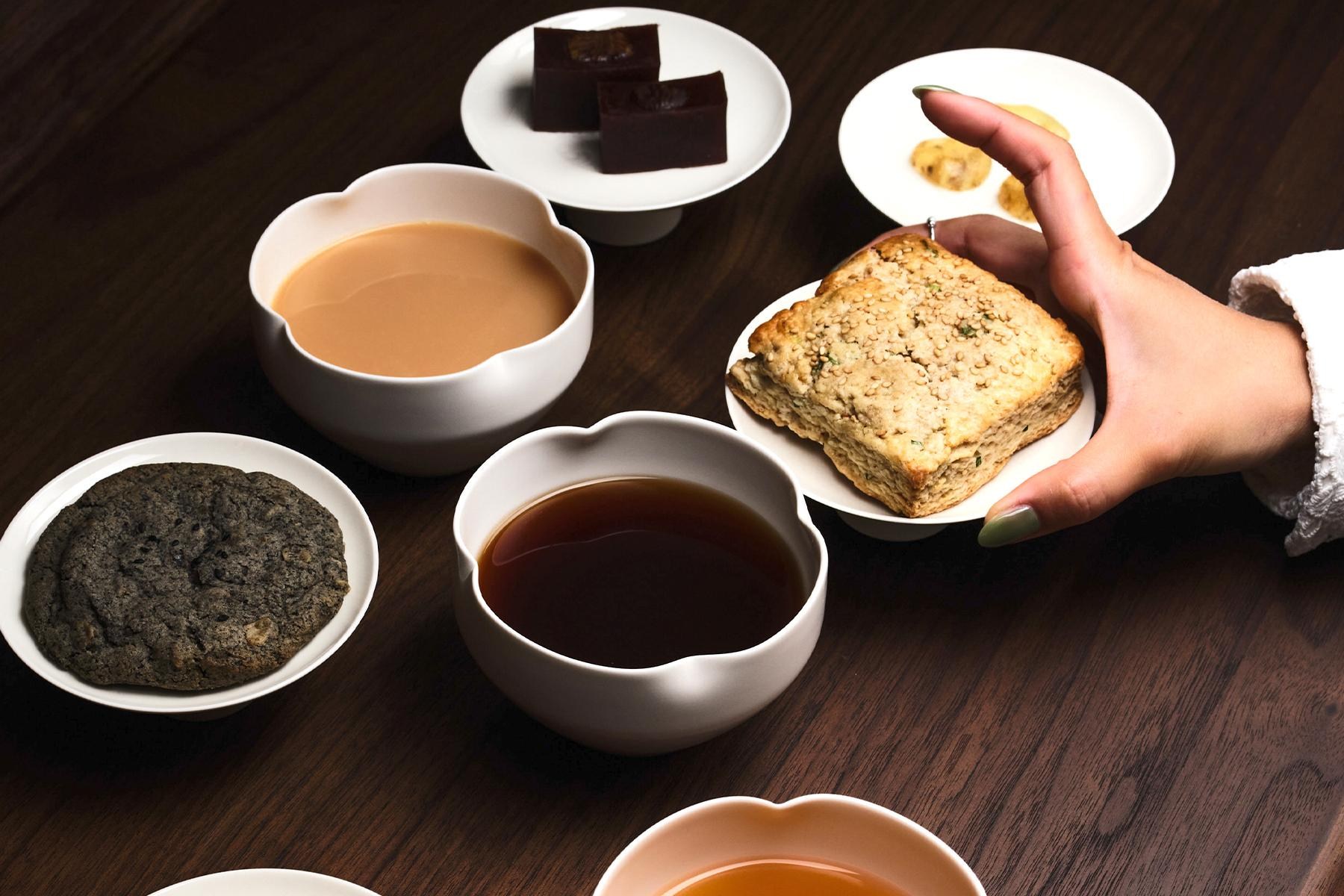
Tea salons, such as Han Cha in Chicago, are also capitalizing on this trend. Han Cha serves a selection of teas paired with small bites, creating a two-hour-long "high tea" experience. Owner Heiji Black chose teas that evoke the social and connected atmosphere of teahouses she visited in Korea.
While matcha has gained prominence in the current teahouse moment, other flavors and tea varieties are also gaining popularity. At Soft Hours in Manhattan's Chinatown, the absence of matcha and boba allows the focus to remain on Chinese teas, with options like green jasmine-infused tea and roasted oolong. Shen, the artist behind Soft Hours, aims to broaden people's understanding of tea as a diverse and seasonal category.
Even teahouses that don't serve matcha, like Tea at Shiloh, recognize its importance in the current teahouse landscape. The artist Juno Shen opened Soft Hours to show that there's more to tea than just trendy ingredients, and to allow people to explore the broader world of tea.
Written by urgent.news from Eater's reporting — not their text. Machine-written — may contain errors; check the original before relying on it.