Taiwan proposes record US$35b defence budget for 2027 as PLA’s pressure grows
Taiwan has unveiled a record NT$1.12 trillion (US$35 billion) defence budget for 2027, with sharp increases in spending on weapons, ammunition and military operations amid growing pressure from Beijing. The proposed spending – the first to cross the NT$1 trillion threshold – is NT$173 billion, or 18.2 per cent, higher than this year’s allocation, according to the government budget approved by the…
Taiwan announced a record NT$1.12 trillion (US$35 billion) defense budget for 2027, reflecting heightened pressure from the People's Liberation Army (PLA) and increasing American expectations. This marks the first time the proposed spending surpassed NT$1 trillion, representing an 18.2% increase year-over-year. The budget accounts for roughly 28.6% of the government's total planned expenditures for the year, equating to nearly NT$29 for every NT$100 allocated.
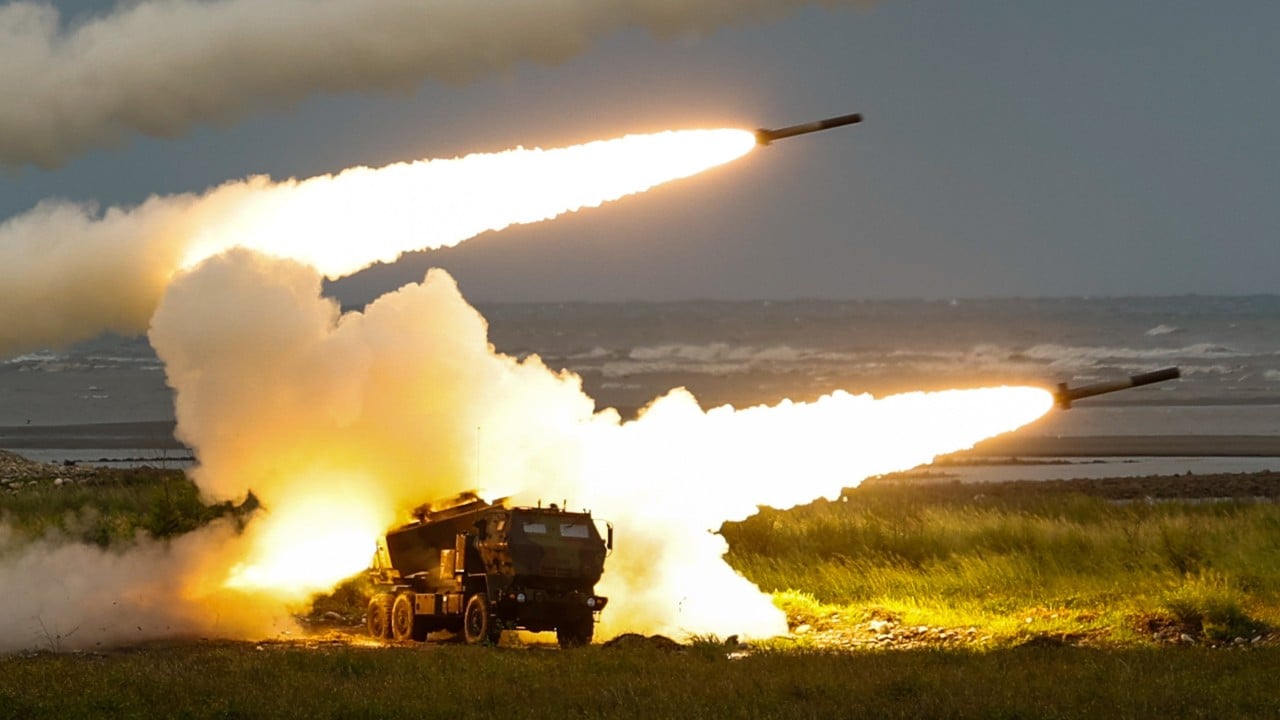
The surge in defense funding is partly driven by the need to meet payment schedules for US arms purchases, such as F-16V Block 70 fighters and Himars multiple-launch rocket systems. Personnel expenditure also rises by NT$7.3 billion to NT$208.1 billion, reflecting planned recruitment of volunteer service members and a 4% pay increase for military personnel, civil servants, and teachers.
However, analysts caution that Taiwan's GDP growth may make Taipei's pledge to raise defense spending to 5% of GDP by 2030 increasingly challenging. With Taiwan's GDP surging over 30% this year alone, reaching NT$37.3 trillion, defense spending as a percentage of GDP could drop from 3.32% to about 3.01%. To achieve the 5% target, the government would need to double both overall budget and defense spending over the next three years, which many deem "almost impossible."
The increased defense budget also stokes debate over its potential impact on social welfare programs. The Lai administration counters that robust economic growth and AI-driven revenue have sufficiently bolstered government revenue to accommodate higher defense spending without cutting other programs. Nevertheless, concerns remain that rapid economic growth and continued defense spending increases could squeeze social welfare and other government initiatives.
The proposed budget fuels concerns about whether rising defense expenditures could squeeze social welfare and other government programs. The Lai administration, however, asserts that strong economic growth driven by advanced technology and AI industries has bolstered government revenue, enabling increased defense spending without sacrificing other programs.
Social welfare spending and subsidies to local governments are projected to exceed NT$1 trillion, reaching NT$1.34 trillion and NT$1.36 trillion, respectively, for the upcoming year.
Max Lo, executive director of the Taipei-based Taiwan International Strategic Study Society, contends that the higher military spending is unlikely to crowd out other government expenditures next year, as Taiwan's economic growth in recent years, particularly in advanced technology and AI industries, has expanded the budget pie.
Yet, Lo acknowledges that if economic growth stalls while defense spending continues to rise, it could inevitably squeeze other government spending. On the other hand, he posits that if Taiwan were to halt or even reduce its defense spending increase, the United States is unlikely to accept the move, given its long-standing pressure on Taipei to allocate more resources to defense.
However, Lo notes that Washington may be more tolerant of such a scenario if the additional funding is channeled into American weapons rather than Taiwan's indigenous defense industry.
The critical test of increasing defense spending will hinge on whether the expanded US weapon purchases ultimately overshadow local projects like the Chiang Kung high-altitude missile system, a crucial element of the Lai administration's envisioned "T-Dome" missile shield intended to counter aerial threats from Beijing. The budget's approval by the legislature remains pending.
Written by urgent.news from South China Morning Post's reporting — not their text. Machine-written — may contain errors; check the original before relying on it.
This story
This is one outlet's version. Read the fullest account.