Sophie Cunningham and the WNBA culture wars
On the court, the WNBA is thriving. After 30 years, its players are receiving a historic payout, along with a massive TV distribution deal that will mean more games, and hopefully even more fans. But off the court, all that attention has some downsides. Most recently, it means that the culture war has come for […]
The WNBA, or Women's National Basketball Association, has experienced a surge in popularity in recent years. The league's players are now receiving a historic payout and a massive TV distribution deal that will result in more games and potentially more fans. However, this newfound attention has also brought about a culture war surrounding the league. Specifically, the WNBA has become the focal point of a debate about transgender athletes and women's sports.
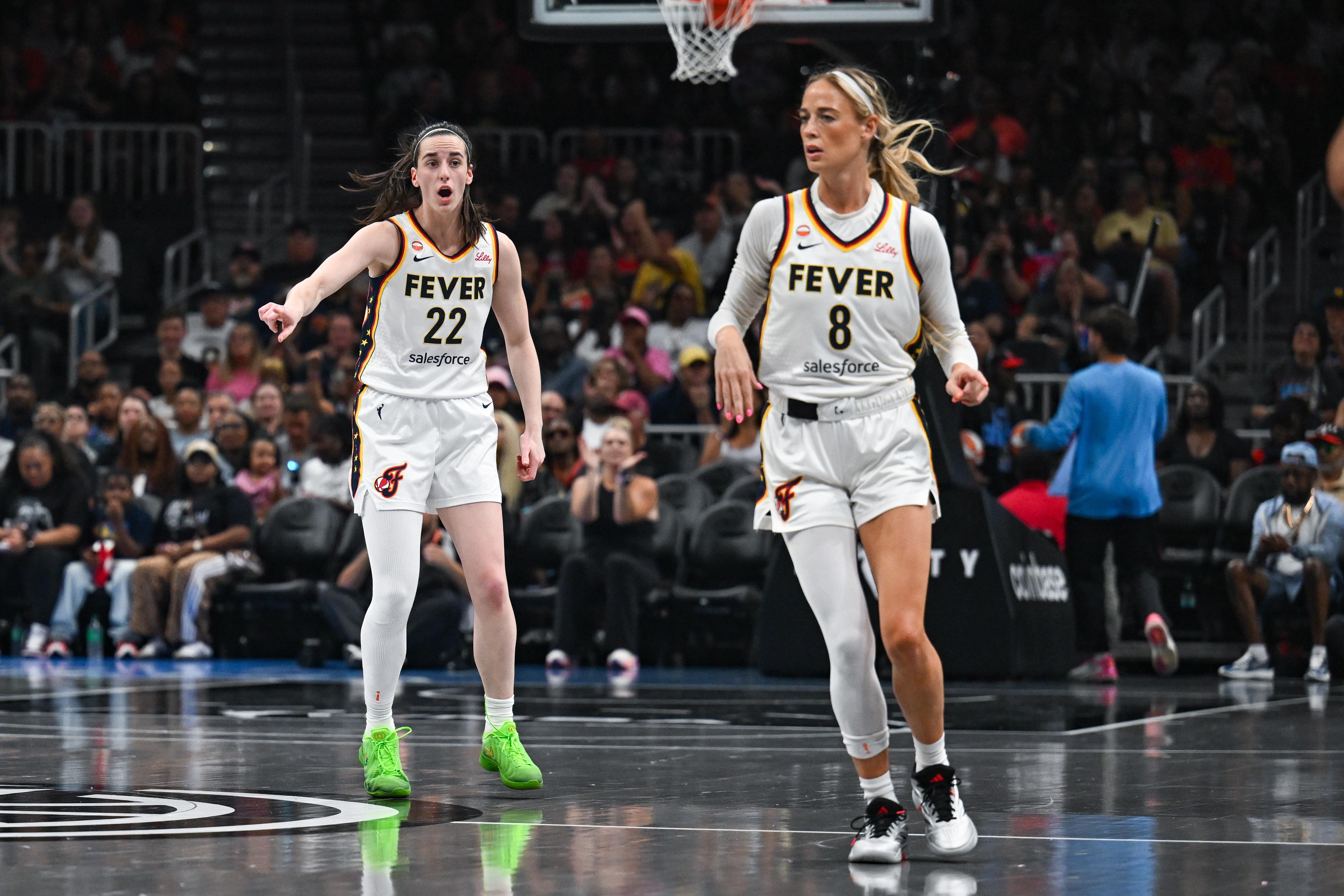
One player at the center of this debate is Indiana Fever guard Sophie Cunningham, who has gained a reputation as an "enforcer" for her All-Star teammate, Caitlin Clark. In July, Cunningham expressed her stance on the issue to ESPN, stating that she is "here to extend love, but I also think that with love is truth, being honest. And I want to protect young girls in a locker room or young girls in sport who shouldn’t have to go against biological men."
While there have been no known transgender athletes in the WNBA, pundits have still weighed in on the issue. This comes as no surprise, as the WNBA has found itself at the center of conversations about race and gender, even though the majority of the outrage is happening outside the court. Players and coaches would rather focus on basketball than engage in the culture wars.
Seerat Sohi, a staff writer for Ringer who covers the NBA, WNBA, and women's college basketball, spoke with Noel King from Today, Explained about the WNBA's involvement in the culture wars. Sohi explained that the WNBA has struggled to promote its own story and has often run away from its identity. The league has been understaffed and marketed in a way that tries to appeal to an apocryphal average American, despite being primarily Black, openly queer, and politically outspoken.
The right-wing has taken an interest in the WNBA due to its powerful symbolism and potential to capitalize on a good story. Caitlin Clark, a white and straight All-Star player, has become a symbol for the right-wing movement, as she was not welcomed in the same way as other stars in the past. Clark's presence has brought a larger and more middle-of-the-road fan base to the WNBA, making it a crucial target for the culture wars.
Written by urgent.news from Vox's reporting — not their text. Machine-written — may contain errors; check the original before relying on it.