Small Rodent Consumption in Colombia: Cuy and Its Andean Culinary Heritage
For many international visitors, eating a guinea pig in Colombia can be surprising. In southern Colombia, especially in Nariño, cuy has a long culinary history. The animal, Cavia porcellus, is a domesticated South American rodent that Andean communities raised for food long before European contact. Today, families still breed cuyes in Nariño, while restaurants in […]
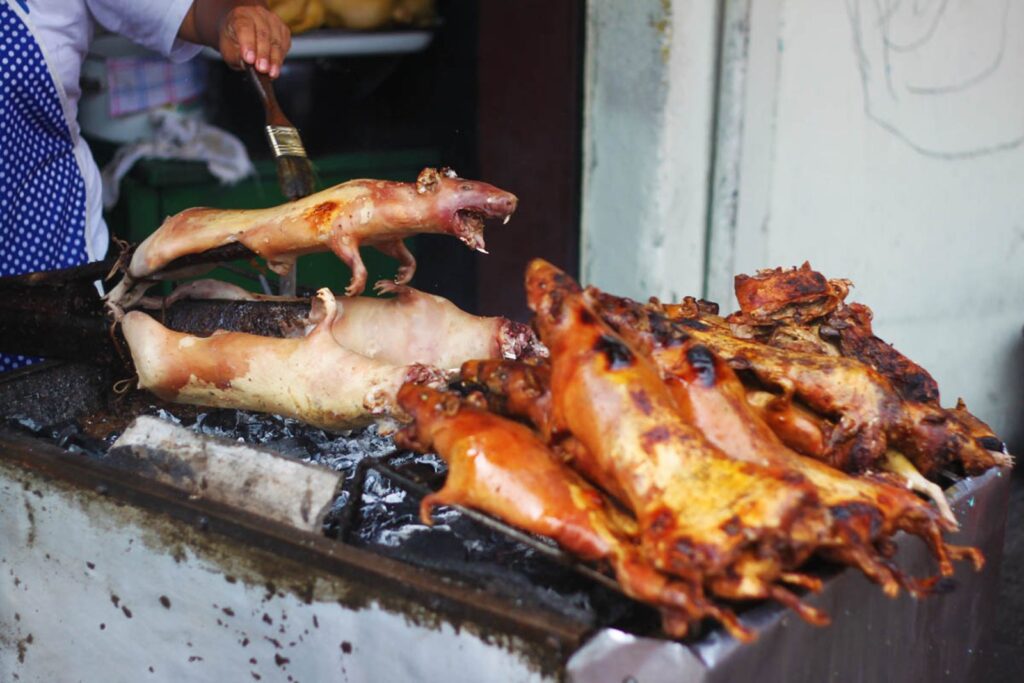
Many visitors to Colombia are surprised to learn that eating guinea pigs is a common culinary practice, especially in the southern department of Nariño. Cuy, or Cavia porcellus, is a domesticated South American rodent that domesticated Andean communities have raised for food long before European contact. Archaeological and genetic evidence links its domestication to the Central Andes, particularly Peru and Colombia’s eastern highlands.
People have consumed wild guinea pigs before domestication, and over time, they selected animals easier to manage and breed, creating today's domestic cuy. Archaeological evidence documents its use in Peru, Bolivia, Ecuador, and Colombia, with Peru once being a major center of cuy husbandry. Indigenous communities raised cuy around their homes due to their small space requirements and ability to provide meat without needing resources for larger livestock.
Cuy also held social and ritual roles in Andean life, as evidenced by guinea-pig remains found in domestic, ceremonial, and burial contexts. The name "cuys" originates from Quechua, while different Andean communities have their own names for the animal. Spanish colonizers called it conejillo de Indias, or "little rabbit of the Indies," which later evolved into guinea pig in English.
Spanish chroniclers, like Jesuit Bernabe Cobo and Inca Garcilaso de la Vega, documented cuy breeding and consumption in the 17th century, establishing that Europeans encountered the practice as an existing tradition. Europeans later transported domesticated guinea pigs to Europe, where the animal became primarily associated with pets and laboratory research.
Nariño developed the strongest cuy tradition, with its geography and cultural connections to the northern Andes preserving food practices across the region. Pasto, the departmental capital, became particularly known for roasted cuy. Local families raise the animals for household consumption and sale, supplying restaurants and markets with roasted cuy.
The Colombian Rural Agricultural Planning Unit has documented family and community farms specializing in cuy production, with an estimated annual production of 2.7 million cuyes in Nariño.
Written by urgent.news from Colombia One's reporting — not their text. Machine-written — may contain errors; check the original before relying on it.