Silicon Valley Doesn't Get Why You Hate AI
Technology leaders don’t seem to understand society’s gripes about AI, but boy, are they posting through it.
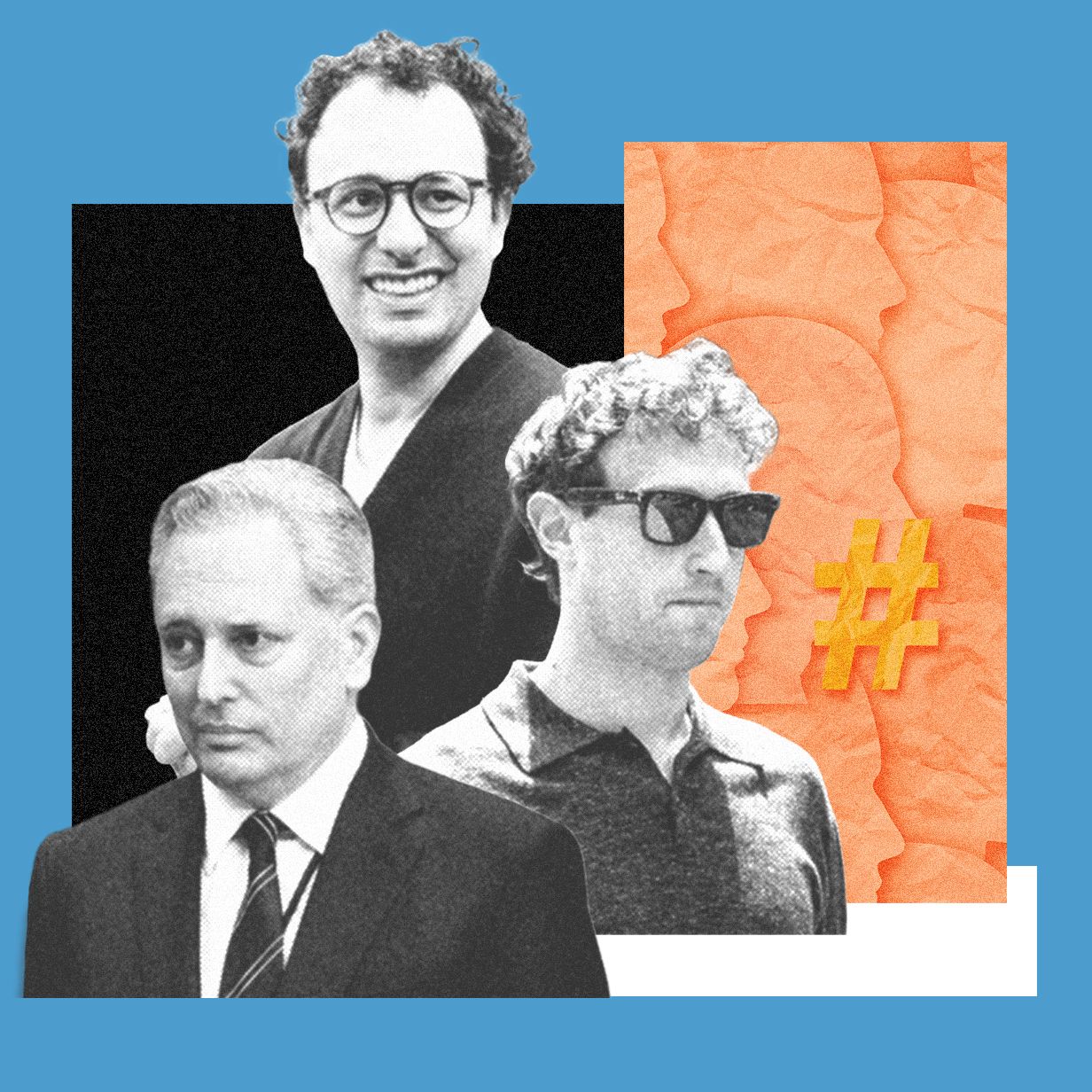
Silicon Valley is struggling to comprehend the growing opposition to artificial intelligence, but its attempts to pinpoint the cause fall short. CEOs like Meta's Mark Zuckerberg and Anthropic's Dario Amodei seem oblivious to the factors fueling widespread distrust. Meanwhile, popular culture capitalizes on the AI backlash, as demonstrated by Liquid Death and Garage Beer's campaign encouraging users to send their pee bottles to AI data centers. Liquid Death's creative director even claims this is a unifying issue for the American public.
Recent research reveals that more than half of Americans aged 30 and under are more apprehensive than enthusiastic about AI, a sentiment that has increased by 24 percent over the past five years. Nearly three-quarters of respondents across age groups believe AI will result in fewer job opportunities. Yet, additional polling data indicates numerous other concerns, including potential harm to young people's capacity for genuine connections, calls for compensation for creators whose works were used to train AI models, and worries that AI could impair students' critical thinking skills.
Tech firms often attribute the AI backlash to communication and branding issues, but this oversimplifies the problem. A Pew Research Center survey shows that people's opinions on AI's societal impact remain unchanged despite diverse messages. Silicon Valley's growing unease about public sentiment around AI is met with skepticism from investors and executives who fear the industry's inability to grasp the gravity of the issue.
Meta CEO Mark Zuckerberg recently published a lengthy essay outlining his optimistic vision for an AI-enhanced future, envisioning personalized AI assistants to assist with career, hobbies, and even child-rearing. However, the current state of AI technology falls short of such promises. Zuckerberg's optimistic outlook is tempered by skepticism, as public trust in AI companies remains elusive. Zuckerberg also criticizes Anthropic's Dario Amodei for contributing to the "doom" discourse surrounding AI.
In response, Anthropic's Dario Amodei dismisses the notion that his messaging is responsible for the AI backlash, arguing that the root cause is a crisis of trust. He believes people distrust companies, governments, and the tech industry due to long-standing issues that predate AI. Amodei further asserts that companies like Anthropic have yet to deliver on their grand promises, such as finding a cure for cancer.
Despite these concerns, tech leaders in Silicon Valley continue to downplay the issue, focusing on making data centers more palatable and emphasizing responsible practices. However, evidence suggests that the physical construction of data centers is merely a visible manifestation of broader societal fears about AI and its impact on communities. To gain public acceptance, tech companies must address the multifaceted ways AI is reshaping society and work on rebuilding trust among the general public.
Written by urgent.news from Wired's reporting — not their text. Machine-written — may contain errors; check the original before relying on it.
This story
This is one outlet's version. Read the fullest account.