Severe e-scooter crashes result in higher rates of traumatic brain injuries than motorcycle accidents
An analysis of UK trauma data indicates severe e-scooter accidents result in distinct injury patterns. Compared to motorcyclists and cyclists, injured e-scooter riders suffer significantly higher proportions of traumatic brain injuries and internal organ damage.
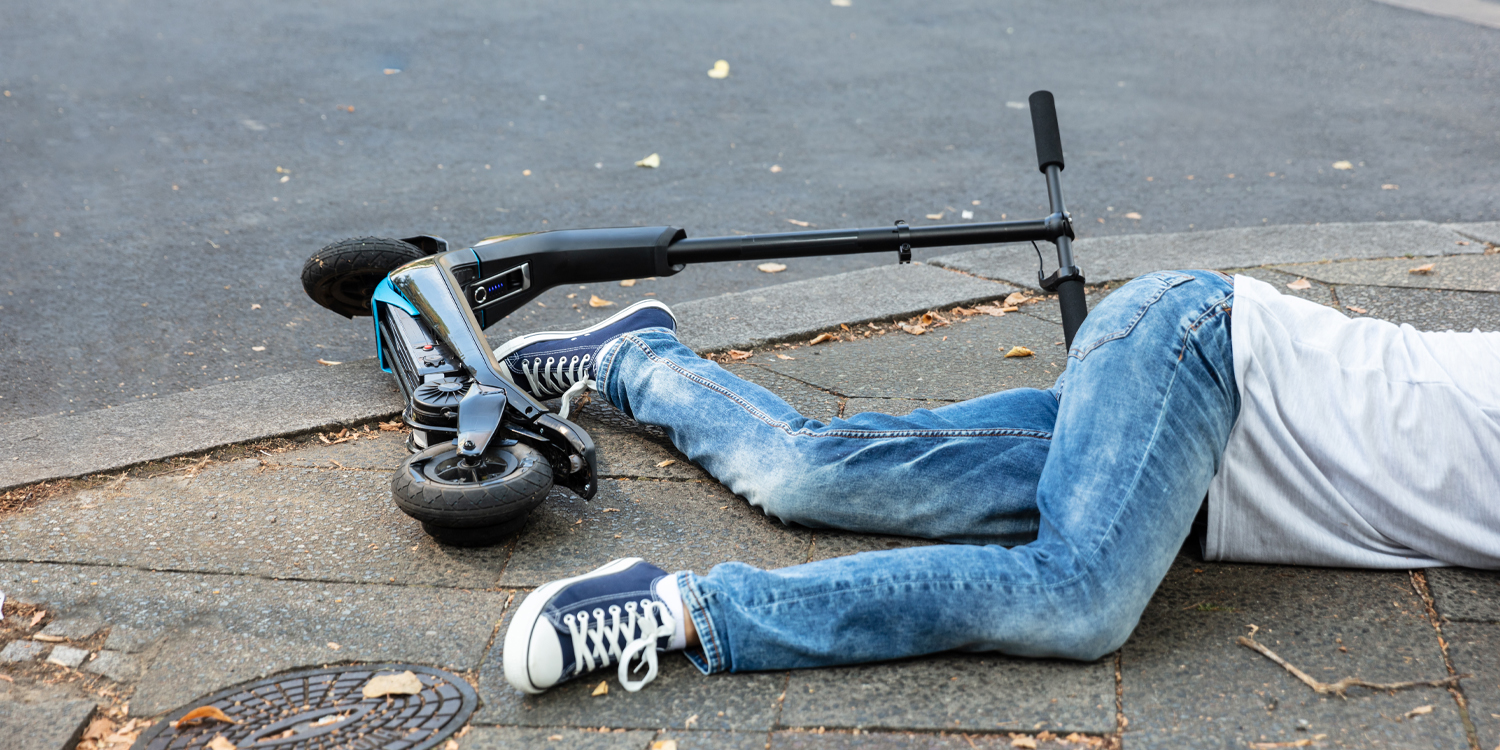
A recent study reveals that e-scooter crashes can result in a higher incidence of severe injuries compared to motorcycle accidents. While e-scooters are often perceived as safer due to their small size and modest speed, the research from England and Wales provides a clearer picture of the injuries sustained. Among seriously injured adults, traumatic brain injuries were around three and a half times more common among e-scooter riders than motorcyclists, and 1.7 times more common than cyclists.
More than a third of e-scooter injuries involved traumatic brain injury, compared to a lower percentage among cyclists and motorcyclists. Internal organ and blood vessel damage was also more prevalent in e-scooter riders. Fractures were less common among e-scooter riders than motorcyclists or cyclists. The study emphasizes that these figures do not imply that e-scooter journeys are three and a half times riskier for brain injuries than motorcycle journeys, as comparable data on journeys and distances were not available.
The injury pattern is attributed to the design and riding style of e-scooters, which require riders to stand upright and control the vehicle with narrow handlebars. This position makes riders more susceptible to head injuries and throws them over the handlebars in case of sudden stops. Helmet usage among seriously injured e-scooter riders was minimal, while it was significantly higher among cyclists and motorcyclists.
Additionally, a higher proportion of e-scooter riders were children. The research also examined over 23,000 rental e-scooter incidents, showing that collision rates varied between cities. Official figures indicate that e-scooter collisions resulted in six deaths and 444 serious injuries in Great Britain in 2024. Treatment for e-scooter injuries depends on the extent of the damage, ranging from casts and braces for minor fractures to surgery, intensive care, and prolonged rehabilitation for severe head injuries.
The consequences of e-scooter crashes can extend well beyond the initial accident, potentially leading to months of recovery and, in severe cases, permanent disability. Preventive measures include wearing helmets, familiarizing oneself with the vehicle's controls, maintaining appropriate speed, especially on wet or uneven roads, and avoiding distractions like using a phone or carrying passengers while riding.
Despite their convenience and affordability, e-scooters can pose significant risks, and their perceived safety may be misleading.
Written by urgent.news from PsyPost's reporting — not their text. Machine-written — may contain errors; check the original before relying on it.