Scientists develop next-gen zinc-iodine batteries with 60,000+ cycles that charge in 3 minutes — and they won't catch fire either
Progress is being made in developing sustainable, fast-charging, long-lasting zinc-iodine batteries.
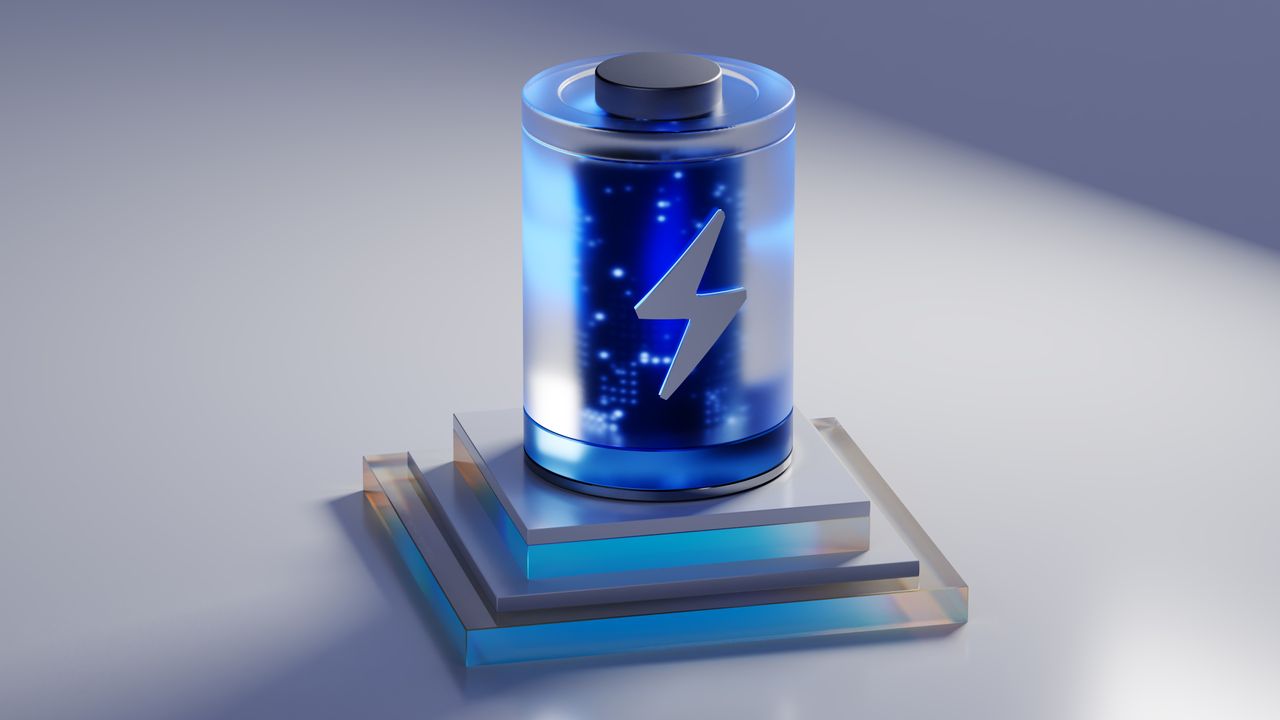
Researchers at Flinders University in Australia have made significant strides in zinc-iodine battery technology, boasting prototype elements that can withstand an impressive 60,000+ recharge and discharge cycles with charging times reduced to just three minutes. These aqueous (water-based) batteries present a promising alternative to standard lithium-ion batteries, eliminating the risk of explosion and fire that often accompanies them.
However, the researchers acknowledge that these batteries tend to degrade over time due to chemical reactions within, which is not ideal for powering everyday devices like tablets.
The key innovation in this new zinc-iodine battery technology lies in a molecular cage that prevents the iodine from escaping while still allowing necessary chemical reactions to take place, resulting in more stable batteries that last longer. The researchers have outlined this breakthrough in their recent publication, detailing both the long-life potential and reduced fire risk of these batteries.
Additionally, AZIBs could be easier to produce, reducing the demand for lithium-ion materials and potentially offering a more sustainable lithium-ion replacement.
Despite these advancements, it is important to note that the technology is currently more suited for large-scale energy storage applications, such as storing solar energy, rather than being readily available for consumer devices like smartphones. The researchers are still working with industry partners to develop a prototyping platform for this battery system, with full-scale prototype batteries still a way off.
Nevertheless, these recent advancements bring us one step closer to a viable and environmentally friendly alternative to lithium-ion batteries.
Written by urgent.news from TechRadar's reporting — not their text. Machine-written — may contain errors; check the original before relying on it.