Scammers shifting to iMessage, RCS to spread phishing links after SMS ban
PETALING JAYA: Online scams have been detected shifting to messaging services such as Rich Communication Services (RCS) and iMessage to spread phishing links following the enforcement of hyperlink restrictions on short messaging service (SMS).
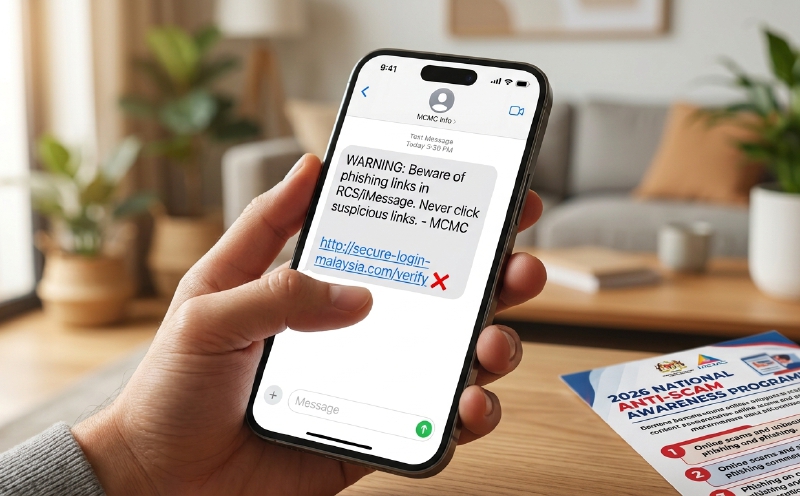
Scammers are increasingly using messaging platforms like iMessage and RCS to distribute phishing links, following the ban on hyperlinks in SMS messages, according to the Selangor Malaysian Communications and Multimedia Commission (MCMC). Rahim stated that these messaging services continue to permit hyperlink transmission, which is exploited by scammers.
In addition to RCS and iMessage, phishing links are also being spread through OTT services like WhatsApp and Telegram. The MCMC has mandated telecommunications companies to prohibit hyperlinks, calls to numbers, and personal information requests in official SMS messages. The MCMC plans to collaborate with platform providers to implement similar restrictions.
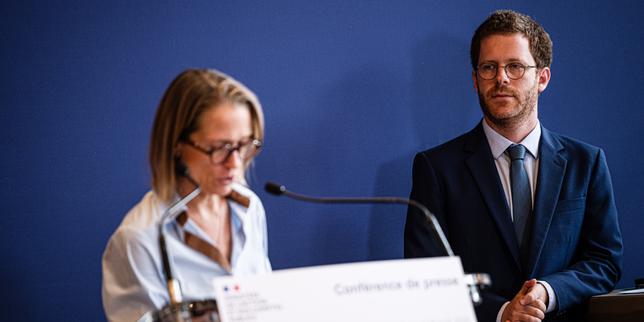
During a forum held in conjunction with the 2026 National Anti-Scam Awareness Programme, MCMC representative Rahim, NFCC director-general Shamshun Baharin Mohd Jamil, Selangor CCID chief SAC Mohamad Rosni Mohamed Lazim, and Bank Negara Malaysia deputy director Hasjun Hashim discussed the issue. Rahim emphasized that MCMC will verify suspected fraudulent content before taking action, directing investment-related cases to the Securities Commission Malaysia and banking-related cases to BNM or relevant banking institutions.
Hasjun warned the public about scammers convincing individuals to open companies as part of mule account schemes. She explained that opening a bank account online, especially with digital banks, requires the e-KYC process to verify the applicant's identity using identification documents and facial recognition. If a bank account is opened without the victim's knowledge, they should report the issue to the bank to initiate an investigation. If an answer is not obtained within 14 days, the matter can be escalated to Bank Negara.
Written by urgent.news from New Straits Times's reporting — not their text. Machine-written — may contain errors; check the original before relying on it.