SC upholds broad definition of industry, only for pending cases
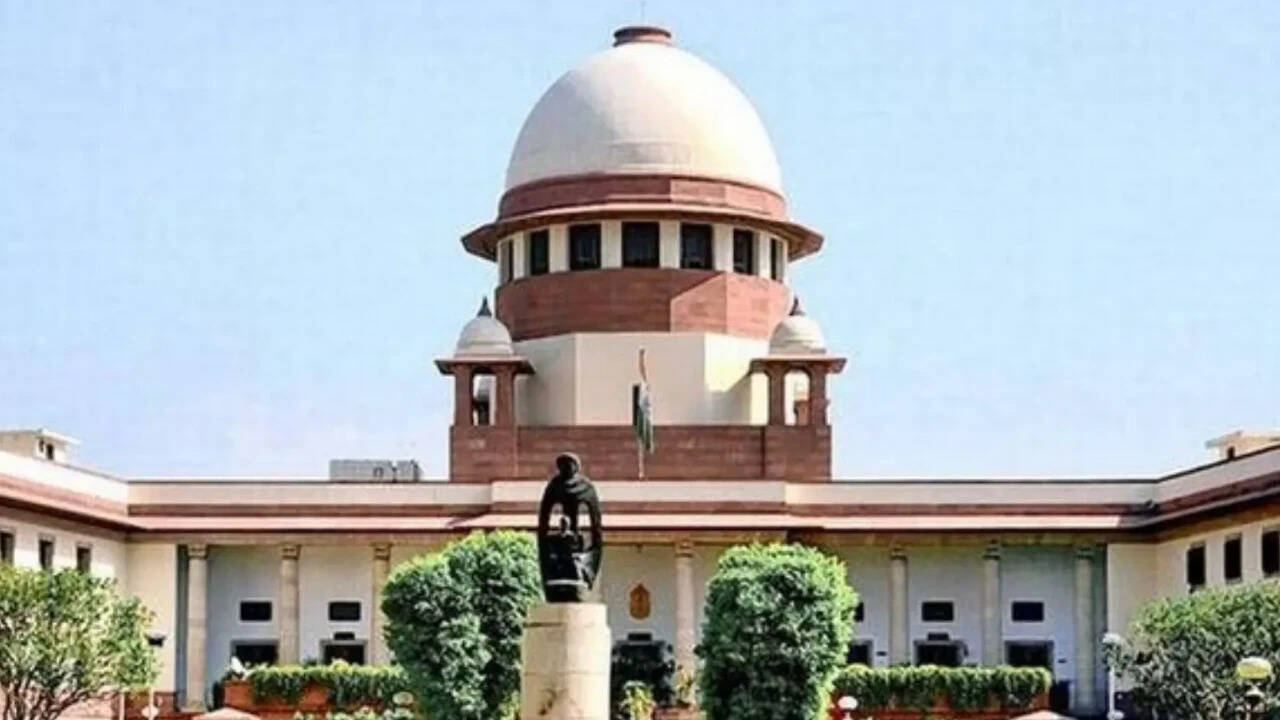
In a landmark decision, India's Supreme Court on Thursday reaffirmed the broad interpretation of 'industry' established in a 1978 ruling, with implications for a wide range of organizations. The nine-judge bench, comprising Chief Justice Surya Kant and eight other justices, unanimously held that the three-pronged test for determining industry status - systematic activity, functional relationship between employer and employees, and engagement in production or distribution of goods or services - applies to all entities, including government agencies, temples, hospitals, and NGOs, if an employee-employer relationship exists under the Industrial Disputes Act, 1947.
The court emphasized that this test would be relevant for pending cases under the Industrial Disputes Act, even though the Industrial Relations Code (IRC) 2020, which came into effect on November 21, 2025, has been introduced. However, the SC ruling will not serve as a definitive guide for the interpretation of the IRC provisions during the adjudication of their validity, the bench clarified. The court's decision was made in response to petitions challenging the validity of certain provisions of the 2020 code.
During the three-day-long arguments, opposition parties had urged the court to limit the expansive definition of 'industry' to exclude activities that are sovereign functions, charitable in nature, or unrelated to business, trade, or commerce. The Attorney General, R Venkataramani, had argued that the court should not overlook the changing industrial landscape in the country due to liberalization and globalization.
He stressed that the government is committed to ensuring labor welfare but that the definition of 'industry' should not encompass entities such as irrigation departments or research institutions.
Justice D Datta, on behalf of the bench, stated that while the welfare activities of the state and government departments are essential and undertaken to fulfill the constitutional mandate, they do not automatically grant sovereign immunity from industrial law. The court maintained that charitable undertakings, temples, and educational institutions must be evaluated based on their employee-employer relationship to determine their industry status.
Written by urgent.news from Times of India's reporting — not their text. Machine-written — may contain errors; check the original before relying on it.