SC retains 1978 industry test for old disputes, leaves new labour code open
Pending and concluded matters under the Industrial Disputes Act will remain governed by the Bangalore Water Supply test, while the new Code's definition will be interpreted independently
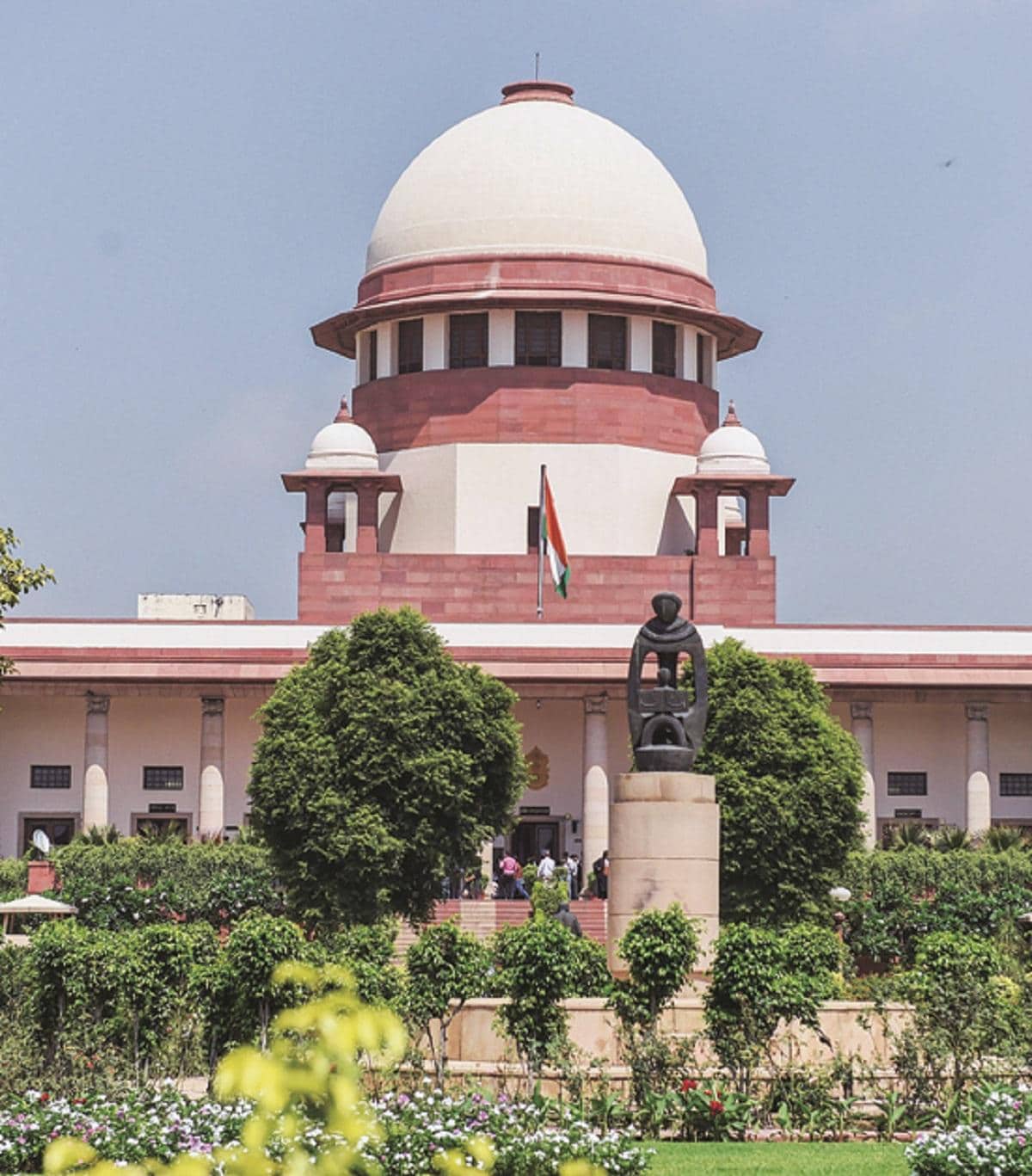
On Thursday, the Supreme Court upheld existing labour protections in pending disputes under the now-defunct Industrial Disputes Act, including those involving government entities. The nearly five-decade-old test for categorising an 'industry' remains in place, while the definition under the 2020 Industrial Relations Code remains open for future cases.
The 5:4 majority verdict, issued by a nine-judge Constitutional Bench led by Chief Justice Surya Kant, drew a clear line between disputes under the old and new labour frameworks. While affirming the maintainability of the case, the court refused to overturn the 'Triple Test' established in the 1978 ruling to determine what constitutes an 'industry' under Section 2(j) of the 1947 Act.
Pending workers will continue to be governed by the existing test, while government entities cannot claim an automatic exemption. However, the court did not definitively answer whether hospitals, universities, non-profits, or welfare bodies qualify as 'industries' under the 2020 code, leaving this question open for future cases.
The court affirmed that the 1978 framework has proven resilient over time, and the Triple Test - assessing whether an activity is organised, involves employer-employee cooperation, and involves the production or provision of goods or services for human needs - will continue to apply to pending disputes under the old Industrial Disputes Act.
The court clarified that its reformulation of certain parts of the earlier test will only apply prospectively, meaning it won't reopen cases already decided. Notably, the 1978 Bangalore Water Supply judgment cannot be automatically used to interpret the definition under the new code; the new law must be interpreted separately based on its own language and framework.
The dispute that prompted the 1978 ruling involved employees of the Bangalore Water Supply and Sewerage Board arguing that their employer was not an 'industry' under the Industrial Disputes Act due to its public nature and provision of essential services. The court rejected this narrow approach and expanded the definition of 'industry' to include organizations that carry out organised activities with employer-employee cooperation to produce or provide goods or services.
Profit was not a prerequisite for this classification. The court also emphasised that profit generation was not a requisite for an activity to be considered an 'industry'.
Written by urgent.news from Live Mint's reporting — not their text. Machine-written — may contain errors; check the original before relying on it.
This story
This is one outlet's version. Read the fullest account.