Reindeer released for food on South Georgia later damaged native vegetation
In 1911, reindeer were introduced to South Georgia by Norwegian whalers. This led to significant ecological issues, as the absence of natural predators allowed their numbers to explode, resulting in harm to delicate coastal ecosystems and native species. A comprehensive eradication initiative was launched, successfully culling almost 7,000 reindeer, thereby aiding the natural recuperation of the…
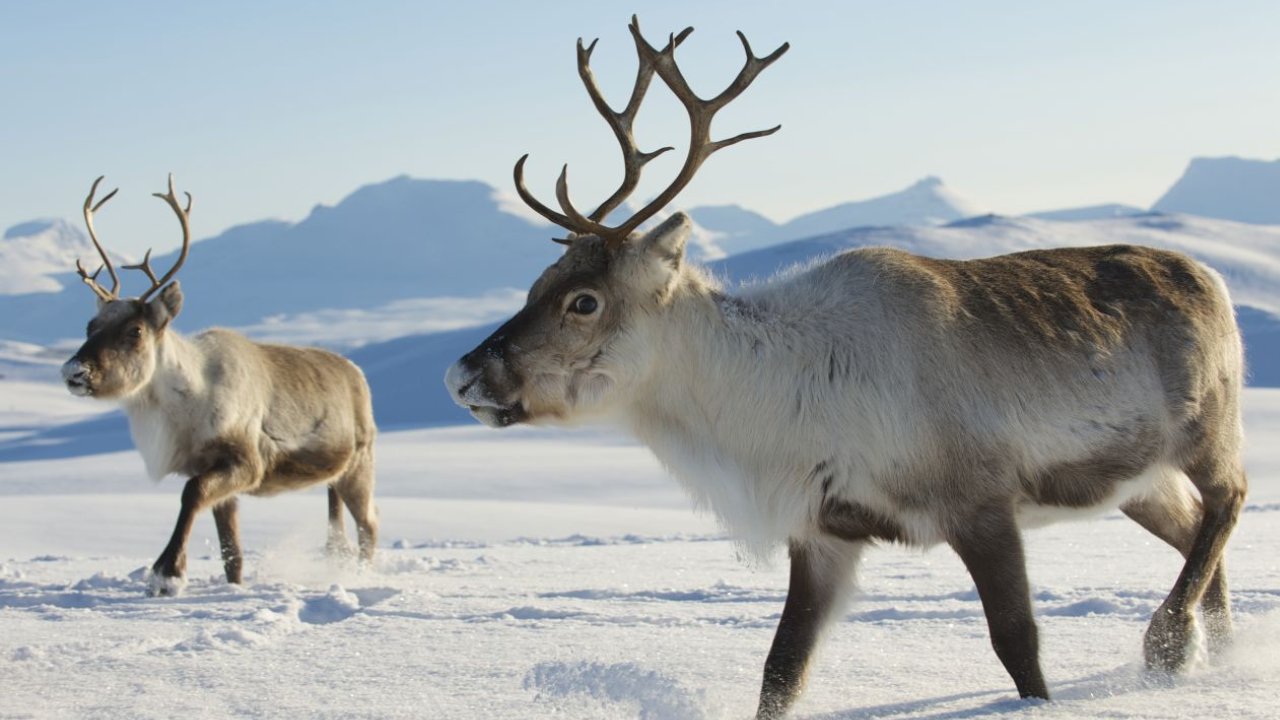
In 1911, Norwegian whalers transported ten reindeer to the sub-Antarctic island of South Georgia with the aim of providing fresh meat and a taste of home for the workers. However, that seemingly innocuous act has now resulted in a significant environmental issue. Over the past century, the reindeer population grew unchecked due to the absence of natural predators, and their grazing has severely damaged native vegetation and endangered native wildlife.
By the early 2010s, surveys revealed several thousand reindeer scattered across the island's snow-free coastal plains, which are also home to some of South Georgia's most fertile ecosystems. The land-based whaling stations that were operating during the reindeer's introduction helped keep their numbers in check, but after the stations closed in the mid-20th century, herd management ceased. Consequently, the reindeer population exploded, leading to overgrazing and habitat destruction.
To address this issue, the Government of South Georgia & the South Sandwich Islands (GSGSSI) initiated an extensive invasive species removal project. This multi-year endeavor involved Sami herders and Norwegian marksmen, and it ultimately led to the removal of nearly 7,000 reindeer from the British Overseas Territory. The removal effort was carried out in two distinct phases, with the first phase taking place in the Busen region in early 2013 and the second phase in the Barff Peninsula and Royal Bay in early 2014.
The eradication campaign not only alleviated the pressure on South Georgia's fragile ecosystems but also paved the way for their natural recovery. Soon after the reindeer were removed, authorities completed a major project to eradicate invasive brown rats, further restoring the island's coastal habitats. As native tussac grass and burnet plants regained their presence on the damaged slopes, ground-nesting seabirds have started returning to their restored burrowing areas.
In conclusion, the removal of non-native reindeer from South Georgia has allowed the island's delicate ecosystems to begin recovering naturally, giving these fragile environments a chance to thrive once more.
Written by urgent.news from Times of India's reporting — not their text. Machine-written — may contain errors; check the original before relying on it.