RBI Likely To Maintain Prolonged Rate Pause In FY27 Amid Strong Growth And Easing Inflation, Report Says
New Delhi: The Reserve Bank of India is likely to maintain a prolonged pause on policy rates in FY27 as resilient economic growth and easing inflation provide room for the central bank to stay on hold, a report has said. A report from SBI Research said the communication from the central bank showed a clear acknowledgement of risks with members adopting a more hawkish tone but the underlying data…
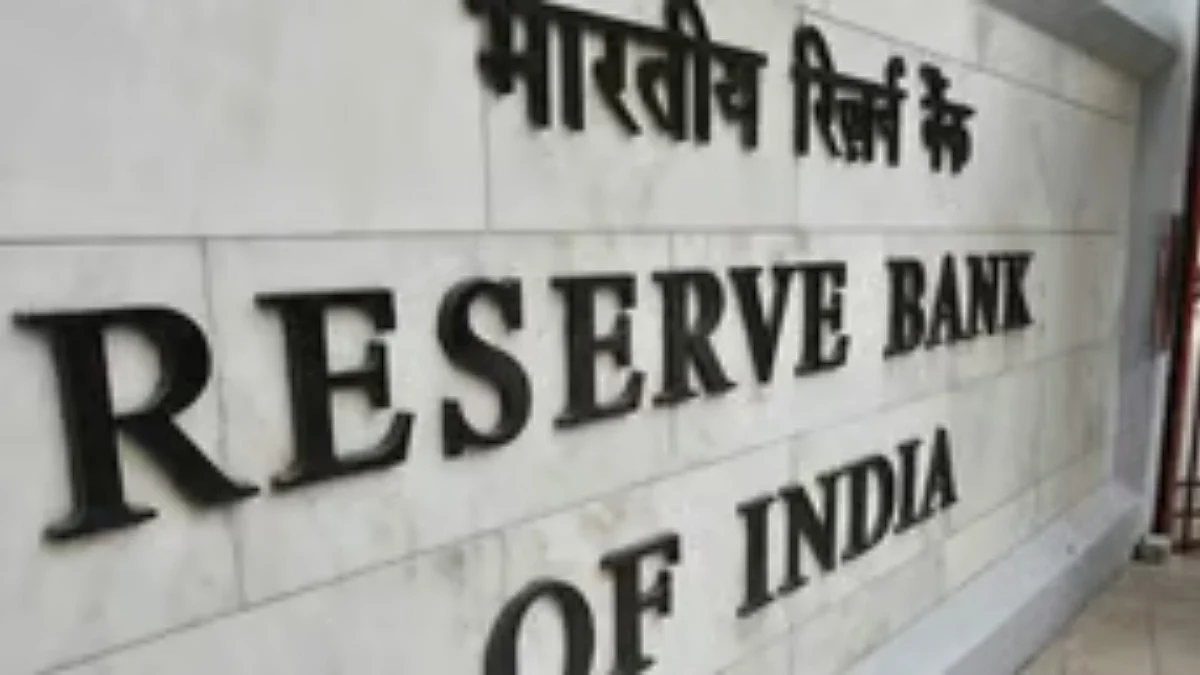
The Reserve Bank of India may keep interest rates steady in the fiscal year 2027 as the economy continues to perform well and inflation shows signs of easing, according to a report by SBI Research. The central bank's statements suggest it acknowledges risks while being cautious about raising rates. SBI Research believes India's growth will likely stay strong, supported by various economic indicators.
Furthermore, the Consumer Price Index (CPI) inflation for July 2026 stood at 4.45 percent, closely matching market forecasts. Imported inflation also decreased to 7.3 percent in July 2026 from 8.1 percent in June 2026. SBI Research projects inflation to climb to around 4.7 percent in August and possibly surge above 6 percent in October and November before easing back to about 5 percent in the fourth quarter of FY2027.
The report also highlighted the improvement in monsoon conditions, with surplus rainfall in July and normal rainfall in August reducing the nationwide shortfall to approximately 13 percent. Despite a rainfall deficit of about 40 percent in June, kharif sowing is nearly 2 percent below the previous year's level, indicating enhanced irrigation facilities across the country.
The report emphasizes that markets should consider the benefits of pragmatic policy decisions. On the global stage, SBI Research pointed out that central banks worldwide are encountering communication challenges. The US Federal Reserve's efforts to smooth the long end of the Treasury curve and boost government debt purchases have contributed to a decline in longer-term yields.
Written by urgent.news from Free Press Journal's reporting — not their text. Machine-written — may contain errors; check the original before relying on it.