Rajiv Gandhi-era reforms: From 18-year-old voters to National Policy on Education
Rajiv Gandhi’s government lowered the voting age to 18, established C-DOT to develop telecom technology and introduced the National Policy on Education in 1986.
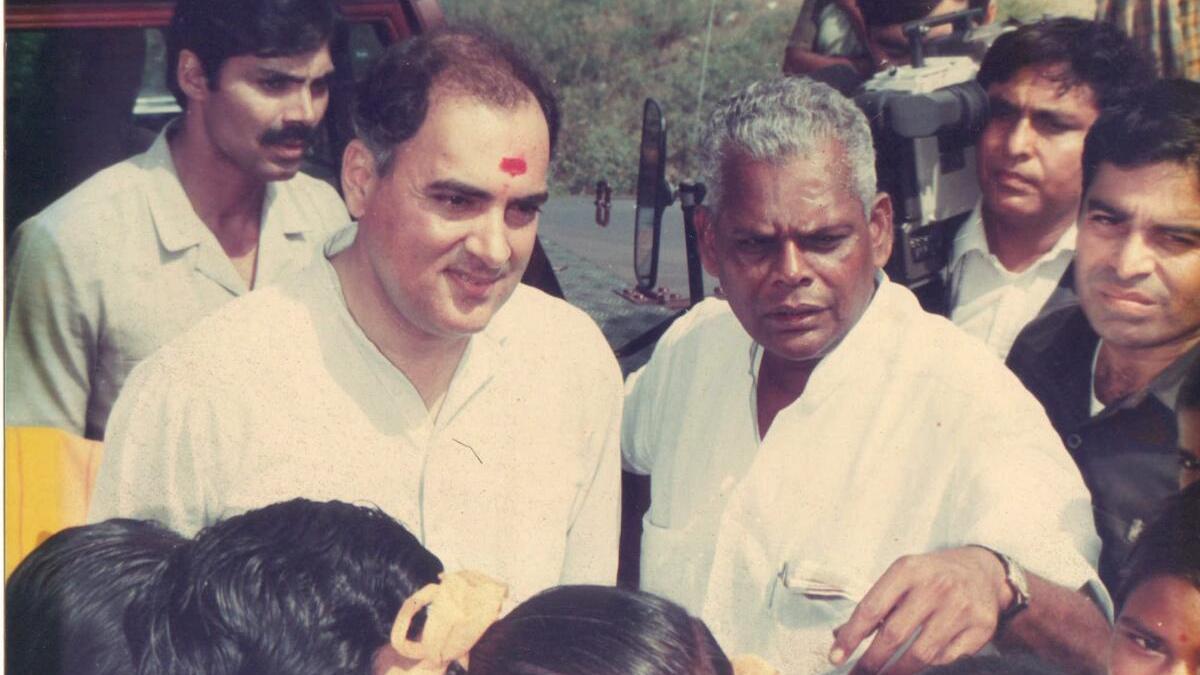
In the wake of his mother Indira Gandhi's assassination in 1984, Rajiv Gandhi ascended to the position of India's youngest Prime Minister. The nation was grappling with inadequate infrastructure, including limited access to telecommunications and stark educational disparities. During his tenure, spanning from 1984 to 1989, the PM introduced several groundbreaking measures that significantly altered the political and socio-economic landscape.
Among these reforms was the lowering of the voting age to 18 years, as codified by the Sixty-First Amendment Act of 1988. This amendment expanded the electorate by introducing 3.57 crore additional voters aged 18-21, who participated in the November 1989 Lok Sabha elections. Additionally, the government established the Centre for Development of Telematics (C-DOT) on August 25, 1984, an autonomous research organization tasked with developing digital electronic switching systems within 36 months.
The first field deployment of the Rural Automatic Exchange (RAX) took place in Kittur, Karnataka, in July 1986, marking a significant step towards bridging the rural telecommunications gap.
Concurrently, the Rajiv Gandhi era witnessed the introduction of the National Policy on Education (NPE) in 1986. This policy addressed crucial aspects such as elementary education, adult literacy, teacher education, and school infrastructure. One of its flagship programs, Operation Blackboard, aimed at equipping primary schools with essential facilities, underscored the importance of basic educational infrastructure.
Further, the policy emphasized school-level surveys to identify deficiencies and advocated for phased implementation to ensure effective resource allocation. The National Literacy Mission, launched in 1988, targeted functional literacy among adults aged 15-35, successfully driving education reform through adult education initiatives.
Written by urgent.news from The Hindu's reporting — not their text. Machine-written — may contain errors; check the original before relying on it.