Police cannot investigate offences under PCPNDT Act: Supreme Court
The PCPNDT Act was enacted with the intent to prohibit the use of prenatal diagnostic techniques for determination of the sex of the foetus
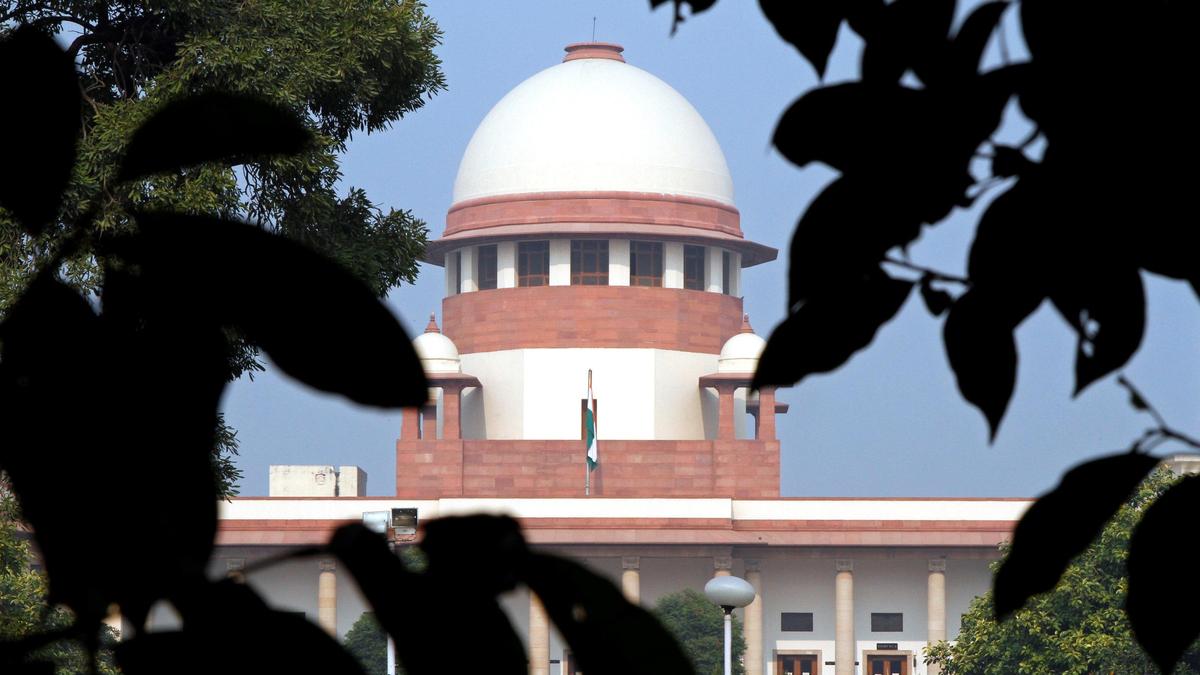
The Supreme Court ruled on Thursday (August 20, 2026) that police are unable to investigate offenses under the Pre-Conception and Pre-Natal Diagnostic Techniques (PCPNDT) Act. The PCPNDT Act was established to outlaw the use of prenatal diagnostic methods for determining the gender of a fetus. A justice panel comprising Sanjay Karol and N. Kotiswar Singh concluded that entities empowered by the legislation must take action in these matters.
The Supreme Court emphasized that the PCPNDT Act deals with technical issues that may necessitate medical expertise and empathy. "Police are not intended to be the investigators for the purposes of this Act," the Bench remarked, further stating that police can only act as a secondary role as per the rules. "The limitation pertains solely to offenses under this Act and does not impede the police's authority to investigate and prosecute independent offenses disclosed under the general criminal law," the Bench concluded.
This judgment arose from a case regarding the police's right to file FIRs and probe offenses under the PCPNDT Prohibition of Sex Selection Act, 1994.
Written by urgent.news from The Hindu's reporting — not their text. Machine-written — may contain errors; check the original before relying on it.
This story
This is one outlet's version. Read the fullest account.
- UGC equity regulations 2026 under reconsideration: Centre to Supreme Court thehindu.com
- Supreme Court forms panel to examine use of force by police in Delhi's July 20 protest hindustantimes.com
- Supreme Court to rule on Oppong Nkrumah’s injunction against vacation Court trials on Aug 21 starrfm.com.gh
- UGC caste discrimination guidelines under review: Centre to Supreme Court indianexpress.com