Overcrowded units, short stays: Suspected illegal accommodation cases on the rise in Singapore
URA investigated more suspected unauthorised dormitories and short-term accommodation cases last year, while property managers say such arrangements are becoming harder to detect.
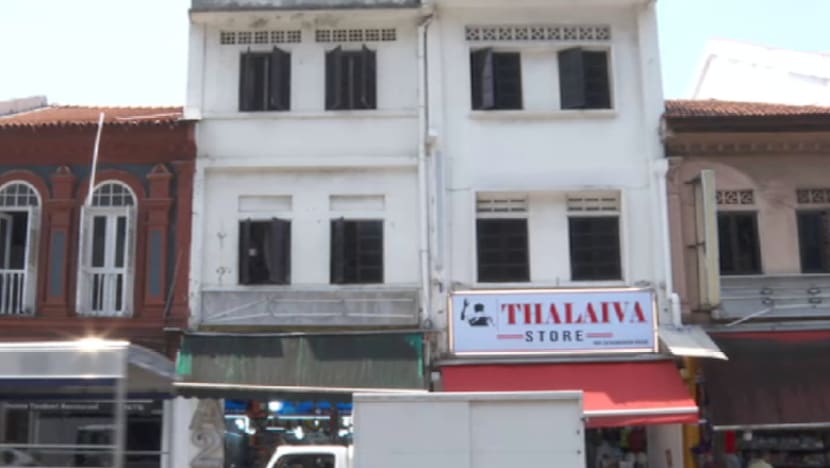
Singapore's authorities have seen a rise in illegal dormitory and short-term accommodation cases, with 544 suspected unauthorised dormitories investigated last year, up from 534 in 2024. Property managers say such arrangements are becoming more difficult to detect, often using social media platforms such as Carousell to advertise stays.
In one instance, investigators found 10 rooms containing 36 bed spaces with 37 people living on the second and third floors of a shophouse in Little India. The offender was fined S$90,000 for converting the property into an unauthorised dormitory. Officials say the practice can affect safety, privacy and security of residents and change the character of neighbourhoods.
While regulations exist for short-term rentals in private residential properties, they are hard to enforce once occupants are already living in a residential development, requiring a combination of strict enforcement and on-the-ground detection.
Written by urgent.news from CNA - Singapore's reporting — not their text. Machine-written — may contain errors; check the original before relying on it.