Our Approach to Drought and Wildfire Is Economically Backwards
Investment to restore degraded land is an investment in economic resilience, write Diane Holdorf and Mahmoud Mohieldin.
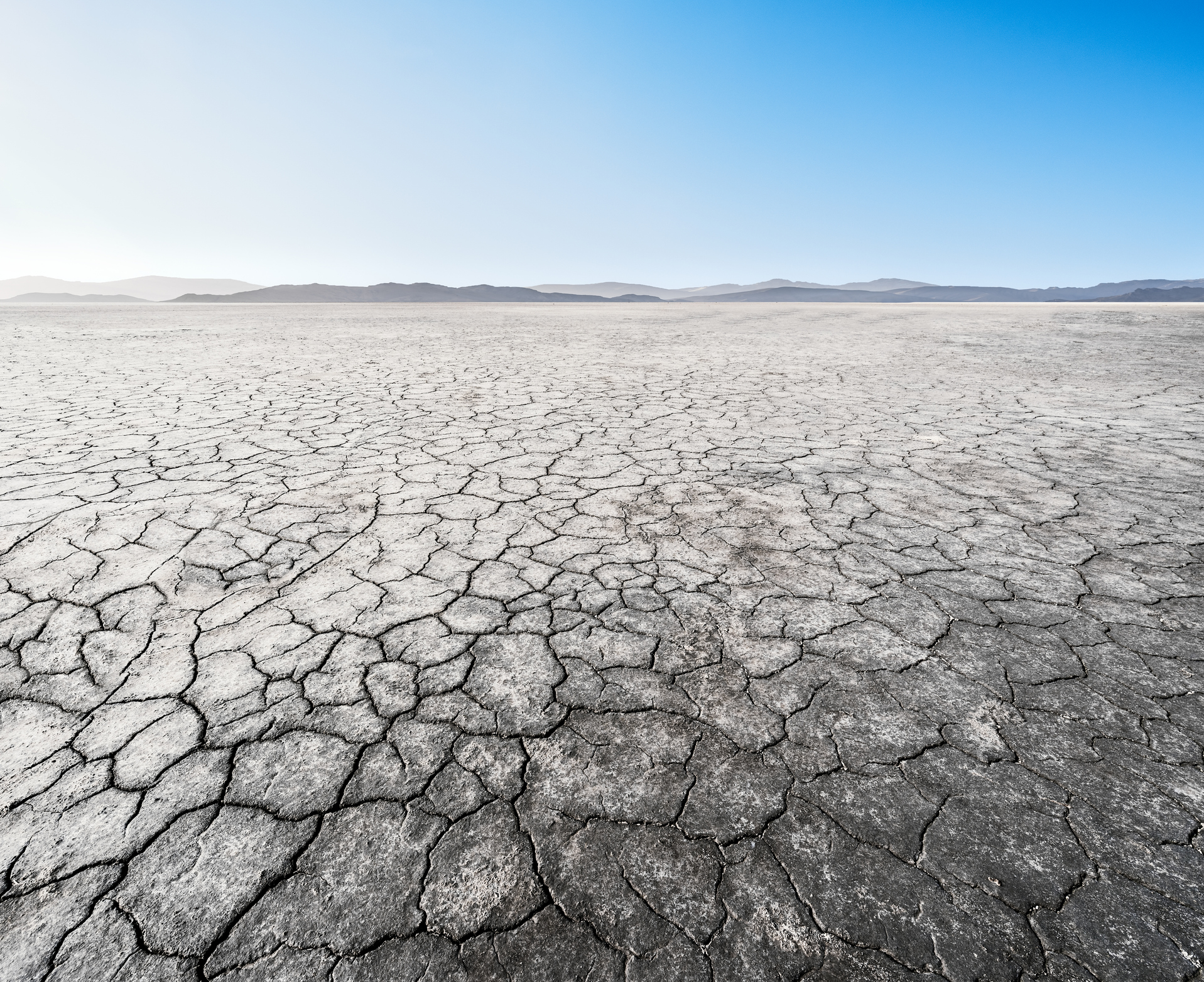
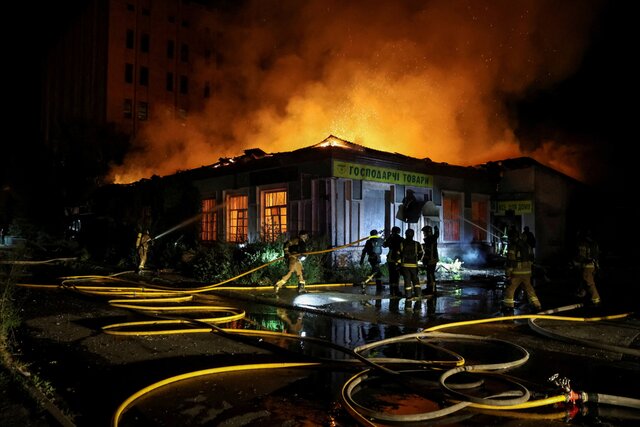
Governments and businesses worldwide are grappling with the consequences of severe drought and wildfires. In 2023 alone, drought-induced losses amounted to an estimated $307 billion globally. Yet, resilient land remains an underfunded asset that could bolster economic stability. This year, leaders convene in Ulaanbaatar, Mongolia, for COP17 of the UN Convention to Combat Desertification (UNCCD), an opportunity to address this issue.
The health of land is crucial to food and water security, supply chains, and economic stability. The UNCCD estimates that investing in land conservation and restoration could generate up to $1.8 trillion annually, create employment for 65 million people by 2030, and mitigate physical risks such as drought-related losses. Despite these benefits, fragmented and misaligned policies hinder investment.
The COVID-19 pandemic and recent wildfires highlight the vulnerability of global supply chains, which rely on healthy land. Healthy land is not just an environmental asset; it is economic infrastructure. Restoring degraded land before economic and social costs escalate is paramount.
Written by urgent.news from Time's reporting — not their text. Machine-written — may contain errors; check the original before relying on it.