Old B2B Invoices Could Decide $100 Billion in Tariff Refunds
The $100 billion U.S. tariff unwind isn’t just a legal exercise for enterprise firms; it’s exposing a crucial piece of B2B infrastructure. More than 40 S&P 500 companies reported $9.6 billion in tariff refunds in the past quarter or so, with about $2.1 billion in cash already received. Those refunds initially flow to the importers […] The post Old B2B Invoices Could Decide $100 Billion in Tariff…
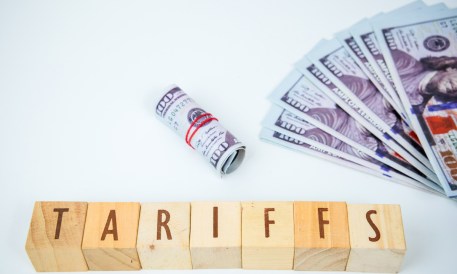
A $100 billion U.S. tariff unwind is causing a crucial B2B infrastructure issue. Over 40 S&P 500 firms have received $9.6 billion in tariff refunds, with $2.1 billion already spent. Initially, refunds go to importers who paid duties, but distributors and wholesalers often pass these costs to manufacturers and other commercial customers.
FedEx will distribute $800 million in refunds to shippers and customers and provide an online tracking system for refunds. This situation presents a significant task: determining whether some of the money being returned to importers should be allocated further down the supply chain. The evidence for this may not be customs filings but rather invoices from years ago in enterprise resource planning (ERP) software.
The companies with the most transparent contracts and detailed invoice data may be able to pinpoint who paid what, who recovered what, and who is still owed money. Tariffs often passed through supply chains, with importers paying duties at the border and distributors, manufacturers, and other customers attempting to recover some or all of the expense.
Now that duties are being returned, the same commercial trail that moved the cost downstream could determine if some of the refund follows it. This process may resemble working-capital management rather than litigation. Companies with millions of dollars in historical purchases booked, paid, and forgotten could potentially claim a new receivable if invoices contained identifiable tariff charges that have been refunded upstream.
Written by urgent.news from PYMNTS's reporting — not their text. Machine-written — may contain errors; check the original before relying on it.