Now, where does it hurt?
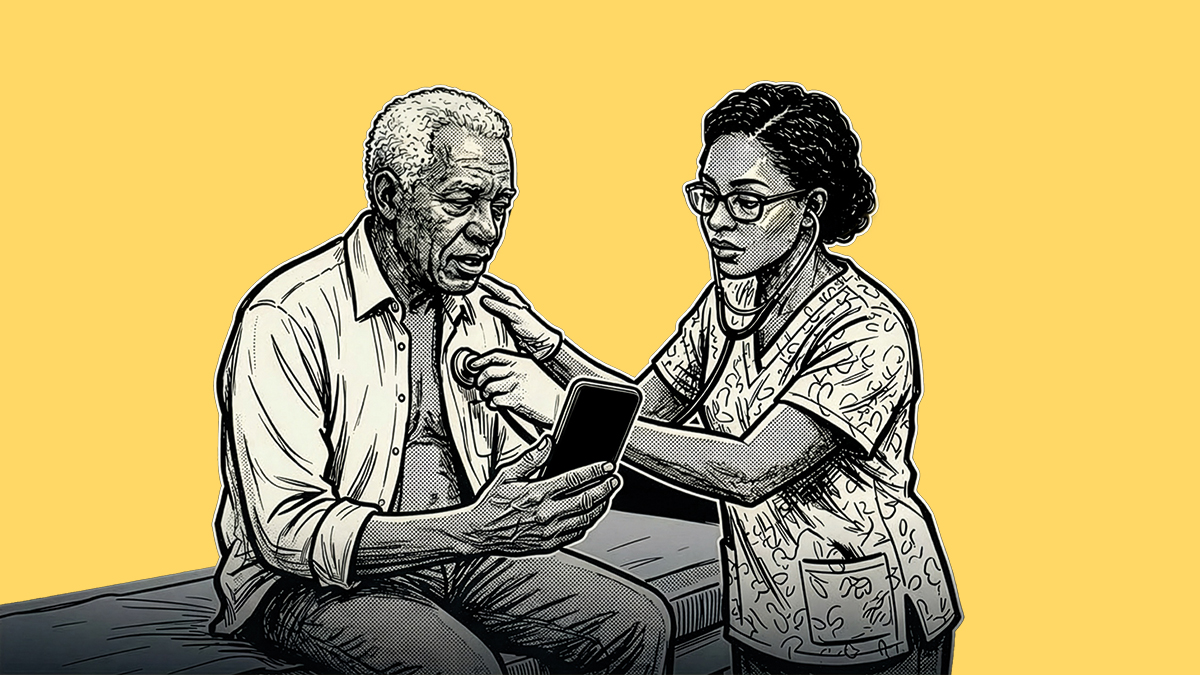
While telemedicine isn't explicitly part of the NHI, it could become one of the key delivery mechanisms for the universal healthcare plan.
The implementation of the National Health Insurance (NHI) scheme is progressing in Phase 2, set to continue until 2028. However, the Board of Healthcare Funders and the Western Cape provincial government are challenging the NHI Act's passage, citing insufficient public participation. The Constitutional Court is currently hearing arguments and has not yet announced its decision.
Meanwhile, the health department continues working on the national Health Patient Registration System. South Africa's dual healthcare system, with a well-resourced private sector and an underfunded public healthcare system, presents significant challenges to delivering universal healthcare successfully.
Digital health technologies offer opportunities to transform healthcare delivery and patient engagement. Telemedicine, while not explicitly part of the NHI, can help provide more efficient and equitable care, especially in underserved and rural areas. Pippa Yeats, co-founder and CCO of Turn.io, states that telemedicine can reduce missed appointments by 10% to 25%, saving time, creating fewer gaps in appointment schedules, and preserving revenue for healthcare providers.
To improve telemedicine adoption, Yeats believes platforms must be designed to adapt to the user's context, be affordable, flexible, and inclusive. The Health Professions Council of South Africa advises practitioners to establish a professional relationship with patients before providing telehealth services. Telemedicine is well-suited to follow-up care, such as monitoring chronic conditions, getting prescriptions, adjusting medication, and checking on patient recovery.
Telehealth also benefits patients in remote communities by preventing them from wasting time and money traveling to clinics when not needed. However, telemedicine is not a replacement for doctors and nurses; it's a tool to provide the most efficient and effective care in each situation. The goal is not to replace healthcare professionals but to ensure patients receive the care they need in the most effective manner possible.
Written by urgent.news from ITWeb's reporting — not their text. Machine-written — may contain errors; check the original before relying on it.