No lift for Swift as NASA abandons orbital rescue
LINK will attempt a rendezvous, but its failed reaction wheels rule out grabbing and boosting the observatory
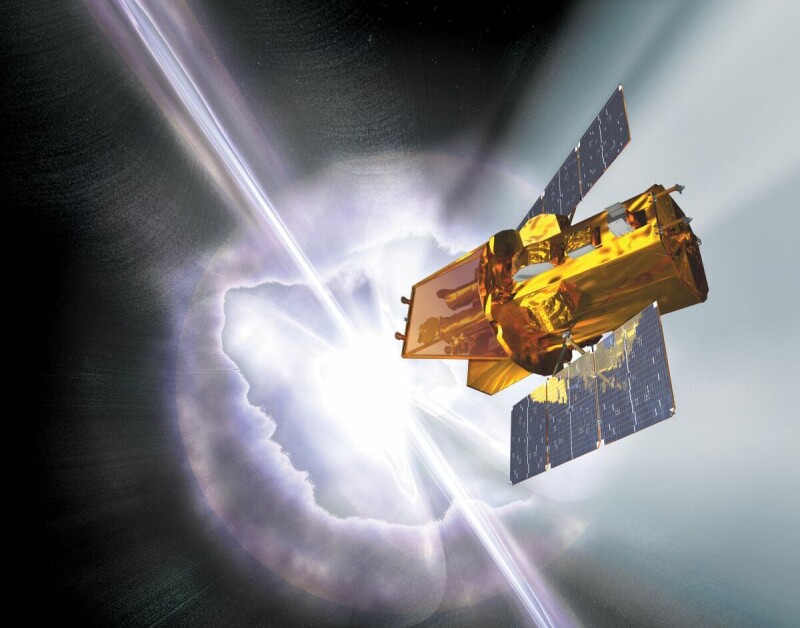
NASA and Katalyst Space have given up on their plan to boost the Swift observatory into a higher orbit, thus postponing its return to Earth. The LINK spacecraft, developed by Katalyst Space, will still attempt to rendezvous with Swift, but cannot grapple or raise its orbit. This decision stems from an ongoing issue with the commercial spacecraft's attitude control.
LINK entered a spin shortly after launch and two of its three reaction wheels were declared inoperable. Engineers were able to regain control using the spacecraft's electric thrusters and transmit a software update reflecting its diminished capabilities. However, this was not enough to make the planned reboost safe. NASA's administrator, Jared Isaacman, stated that the agency is willing to take smart risks when the potential return is worth it, but this outcome does not change the mission's value.
Katalyst Space CEO Ghonhee Lee expressed pride in their work, noting that they designed, developed, and launched an experimental spacecraft for an ambitious mission on an aggressive timeline. Despite the setback, NASA continues to work closely with Katalyst Space to assess next steps for rendezvous and gather data for future satellite servicing operations.
Swift, launched in 2004 to study gamma-ray bursts, has operated for over two decades. Increased solar activity has accelerated its orbit decay, leading to a more rapid return to Earth than expected. NASA will continue to prioritize finding new options to react rapidly to cosmic events in the meantime.
Written by urgent.news from The Register's reporting — not their text. Machine-written — may contain errors; check the original before relying on it.
This story
This is one outlet's version. Read the fullest account.
- No lift for Swift as NASA abandons orbital rescue theregister.com
- NASA abandons attempt to rescue aging telescope economictimes.indiatimes.com