Nigeria reforms helped to avert economic collapse, finance minister says
President Bola Tinubu's overhaul of Nigeria's economy, including scrapping a costly fuel subsidy and devaluing the currency, has helped stabilise public finances, lift foreign reserves, and attract investment, Finance Minister Taiwo Oyedele said on Wednesday.
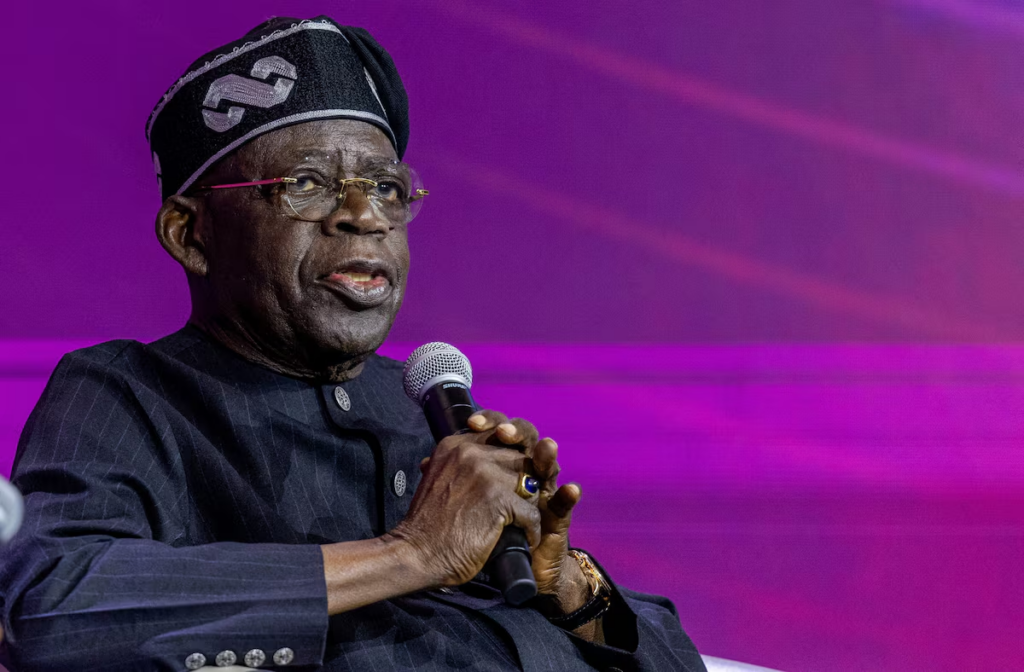
President Bola Tinubu's economic reforms in Nigeria, implemented in 2023, have been successful in stabilizing public finances, increasing foreign reserves, and attracting investment, according to Finance Minister Taiwo Oyedele. While the reforms have been beneficial, ordinary Nigerians have faced hardships and an exacerbation of the cost-of-living crisis.
Oyedele reported that the reforms saved 15.8 trillion naira ($11.71 billion) from June 2023 to December 2025. Additionally, they boosted total federal resources by 20.4 trillion naira via higher revenues and borrowing. The funds were utilized to support 30.64 trillion naira in extra spending, which included wage increases for 9.39 trillion naira, external debt servicing for 9.37 trillion naira, and infrastructure projects for 6.5 trillion naira.
The reforms also eliminated the situation where 27 states struggled to pay salaries and narrowed the exchange rate gap between the official and parallel markets to under 5% from more than 60%. However, Nigeria's economic growth remains modest, with a 3.89% increase year-on-year in the first quarter, down from 4.07% in the final quarter of 2025.
Written by urgent.news from MyJoyOnline Ghana's reporting — not their text. Machine-written — may contain errors; check the original before relying on it.