New study tracks oxytocin spikes in MDMA therapy trials
A new meta-analysis reveals that the psychoactive drug MDMA triggers a sustained release of the social hormone oxytocin. This biological mechanism may explain the drug's ability to enhance empathy and help patients during psychiatric therapy.
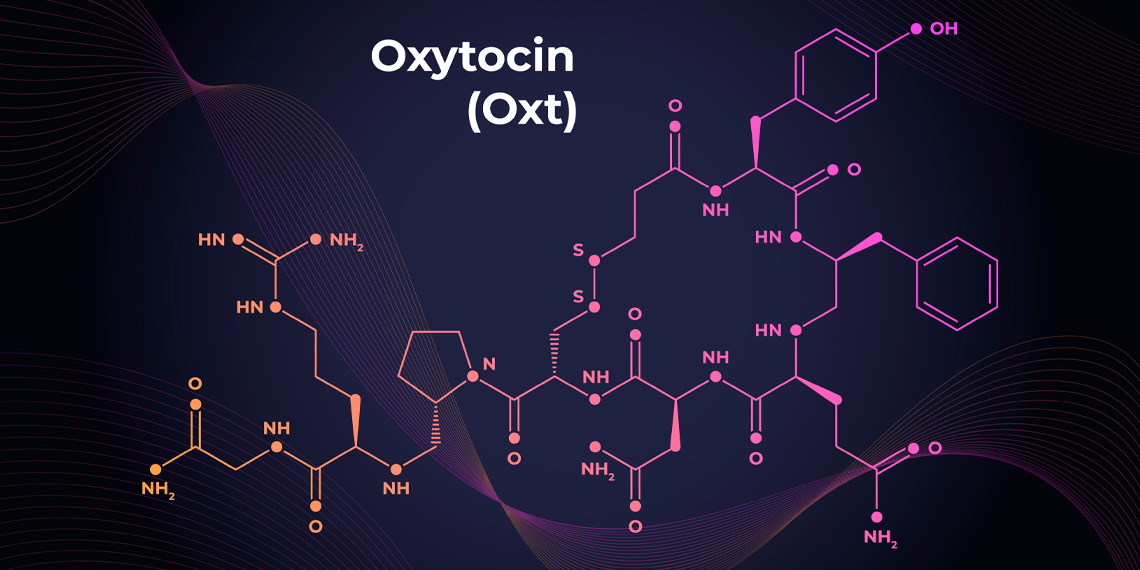
A new study reveals that MDMA temporarily raises oxytocin levels in human subjects, with peak levels occurring a few hours after use. This finding could aid researchers in scheduling therapeutic interventions during clinical trials for psychiatric conditions like PTSD. MDMA, a psychoactive drug also known as 3,4-methylenedioxymethamphetamine, is an entactogen that alters emotional processing and is associated with increased empathy, generosity, and trust.
Prior studies have indicated that MDMA triggers the release of oxytocin, a hormone linked to social behaviors, by activating serotonin receptors in the hypothalamus. However, previous research has produced inconsistent results regarding the specifics of how MDMA influences oxytocin levels. To address this knowledge gap, researchers conducted a meta-analysis of previous studies, analyzing data from ten independent studies involving 39 effect size estimates.
The analysis revealed that oxytocin levels peaked between 150 and 200 minutes after MDMA administration, after which they gradually declined. The study did not find a significant correlation between the dose of MDMA and the resulting oxytocin levels, possibly due to the varied dosing strategies used in the original studies. Additionally, there was a slight trend suggesting that studies with a higher proportion of female participants tended to show smaller increases in oxytocin, although this finding was not statistically significant.
While peripheral oxytocin levels in the bloodstream do not directly cross the blood-brain barrier, recent studies suggest that circulating oxytocin can still influence the brain indirectly through the vagus nerve. The meta-analysis also highlighted that unmeasured biological factors, such as sex-related differences in oxytocin sensitivity, account for a significant portion of the variation in the results.
Written by urgent.news from PsyPost's reporting — not their text. Machine-written — may contain errors; check the original before relying on it.