New Mexico trout restoration brings native fish back to 120 miles of streams
A significant conservation initiative has successfully reinstated native trout species across more than 120 miles of streams by eliminating non-native predators and restoring habitats in two states. The reintroduction of the Rio Grande cutthroat trout has led to the establishment of a self-sustaining population, averting the need for federal endangered species status. This successful strategy…
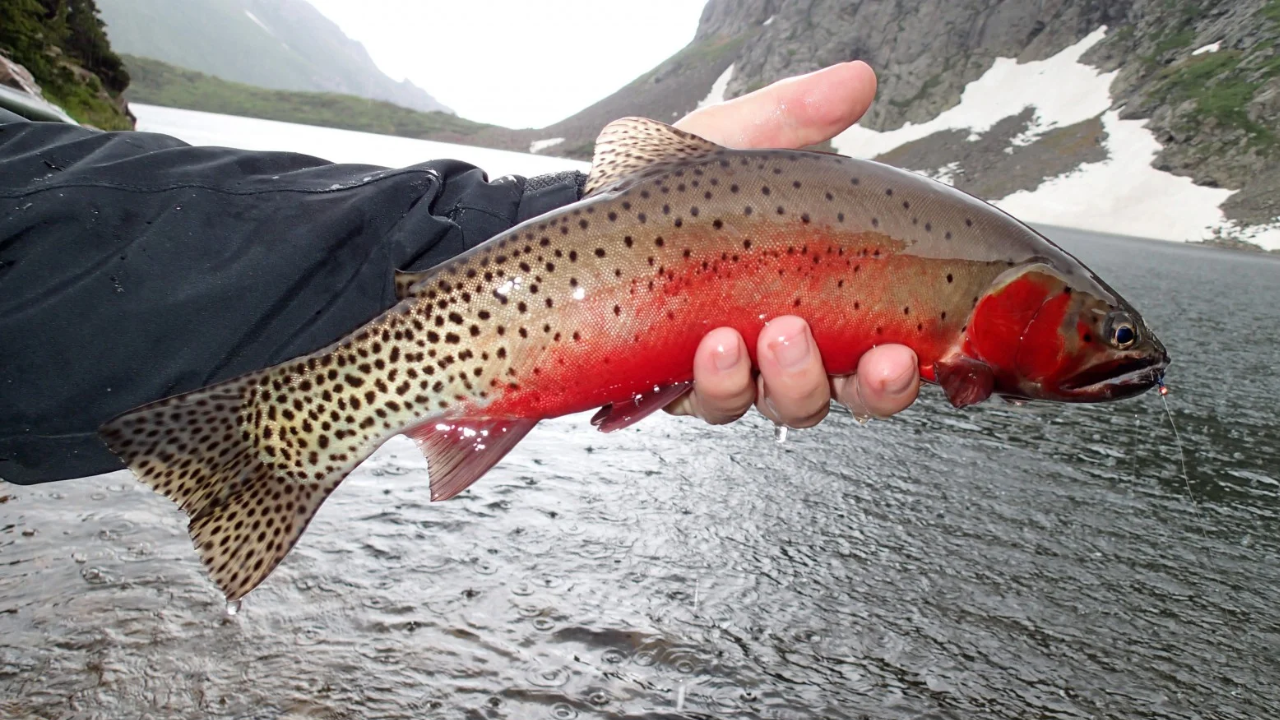
In 2002, a major conservation effort was launched in New Mexico, aiming to restore the state's official fish, the Rio Grande cutthroat trout, to over 120 miles of connected mountain streams. This project is considered one of the largest native fish restoration initiatives in the United States, involving state and federal agencies working together to remove non-native predators and restore high-altitude habitats in northern New Mexico and southern Colorado.
The Rio Grande cutthroat trout, easily identified by the bright red mark beneath its lower jaw, once thrived across thousands of miles of cold-water streams in the Rio Grande and Canadian River basins. However, it faced habitat loss, logging, wildfires, drought, and competition from non-native game fish introduced during the 19th and 20th centuries, which severely reduced its range.
By the late 20th century, the fish was found in only around 10 percent of its original habitat. Non-native game fish breeding with the native cutthroat trout weakened the pure genetic line, while brown and brook trout competed for resources. To address this decline, a multi-agency project, the Rio Costilla Native Fish Recovery Project, was established.
This project covered a 190-square-mile watershed in the Sangre de Cristo Mountains, involving the New Mexico Department of Game and Fish, US Fish and Wildlife Service, US Forest Service, Turner Enterprises, and Rio Costilla Park management. Efforts included removing non-native trout using chemical treatments like rotenone and building barriers to prevent their return.
Once the streams were cleared, genetically pure trout were reintroduced, originating from both hatcheries and existing wild populations. The project required cooperation across various lands and underwent seasonal electrofishing surveys to monitor fish health and population. The restoration created a connected network of 120 miles of streams and 18 high-mountain lakes, allowing fish to move freely and enhancing their resilience to threats like drought and wildfires.
In 2014, the US Fish and Wildlife Service concluded that the species did not require federal protection due to the successful restoration efforts, thus avoiding endangered species listing. Today, regulated catch-and-release fishing and limited harvest are allowed in restored areas, providing anglers with access to historically important fishing waters.
The New Mexico project serves as a model for other western states aiming to restore native salmonid species.
Written by urgent.news from Times of India's reporting — not their text. Machine-written — may contain errors; check the original before relying on it.