NATO wants thousands of AI drones guarding its borders — but there’s one thing they won’t be allowed to do
NATO plans to bolster its eastern defenses with AI assisted drones, but won’t give the autonomous technology the power to engage targets without human oversight
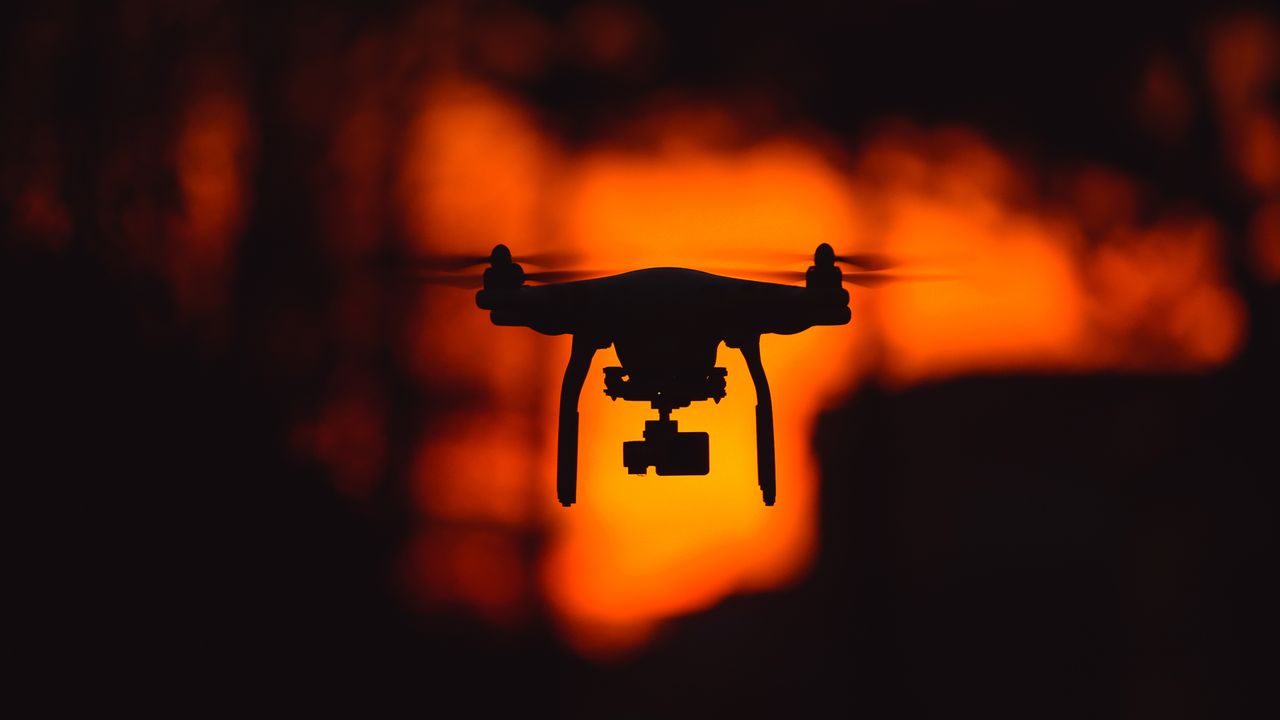
NATO is set to bolster its border defenses against Russia and its allies with an expansive network of sensors, drones, and AI assistance. The Eastern Flank Deterrence Initiative (EFDI) aims to track potential threats along the 3,500-kilometer border, employing a coalition of AI-managed drones. However, the AI will not be granted autonomous decision-making capabilities.
Instead, human operators will retain the final say on whether a drone can engage a target. The initiative draws inspiration from Ukraine's border defense strategy, where AI-managed drones closely monitor the shared borders with Russia and Belarus. The EFDI project features a sophisticated data backbone, managed by US Army Maj. Ben Schiff, which connects sensors, drones, satellites, and information systems of NATO members.
While the drones primarily perform routine tasks such as hovering over target areas, the ultimate decision-making authority lies with human operators. The EFDI adopts a "kill web" approach, unifying data from various sources to expedite decision-making by operators. This model has proven effective in combat scenarios, such as neutralizing an Iranian Shahed drone in Kuwait.
Written by urgent.news from TechRadar's reporting — not their text. Machine-written — may contain errors; check the original before relying on it.