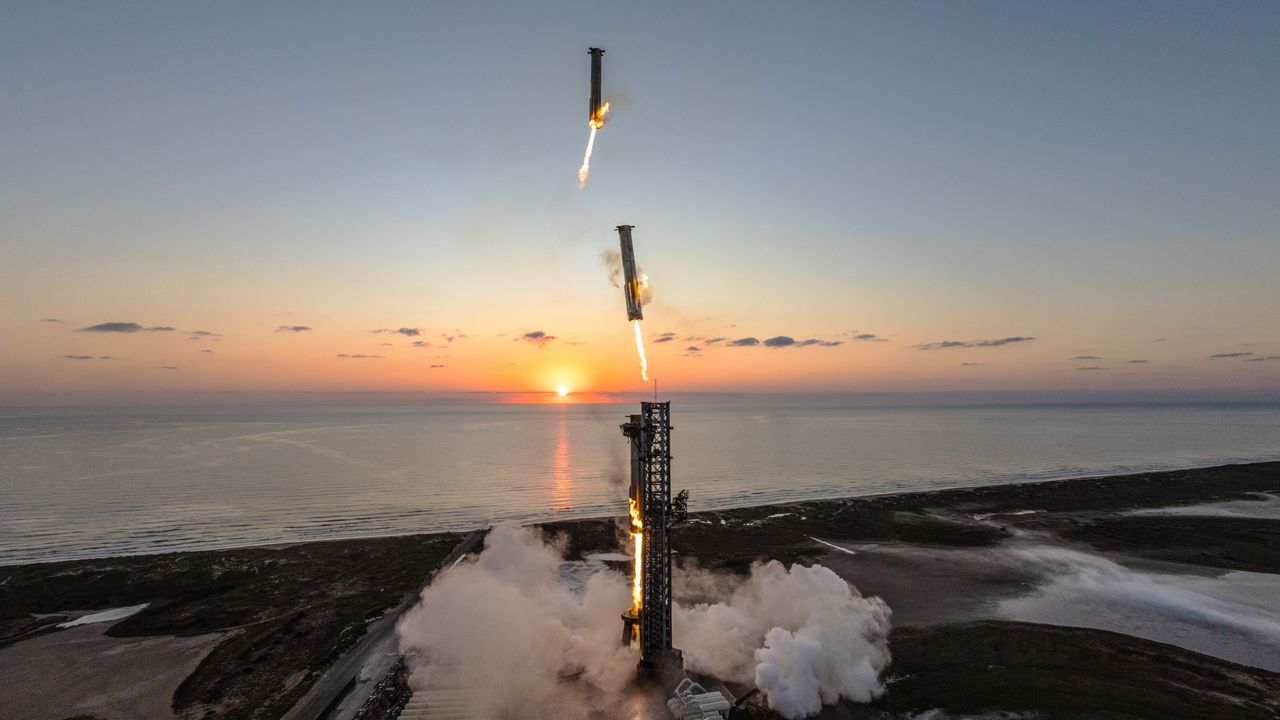
NASA mission to save its sinking space telescope fails soon after launch
NASA and Katalyst Space Technologies, an aerospace start-up, announced a joint venture to launch a spacecraft to nudge the ailing observatory back into orbit on July 3.
NASA's mission to rescue a sinking space telescope failed shortly after launch, according to wire reports. The Neil Gehrels Swift Observatory, launched in 2004, was intended to extend its operational life through a salvage operation by Katalyst Space Technologies. The joint venture, named Link, was launched on July 3 on a Northrop Grumman Pegasus XL rocket from Kwajalein Atoll.
However, Link entered an uncontrollable spin a few weeks after liftoff, preventing it from restoring the telescope to a higher orbit. Despite the mission's failure, NASA and Katalyst are still assessing the remaining milestones and expect the telescope to re-enter the atmosphere later this year after more than 20 years of observing significant cosmic events.
NASA Administrator Jared Isaacman emphasized that the mission's failure does not diminish its value, as it aimed to advance satellite servicing capabilities for the future. Katalyst CEO Ghonhee Lee expressed pride in the mission's milestones and the lessons learned, concluding that the mission's takeaways were worthwhile regardless of the outcome.
Written by urgent.news from Global News's reporting — not their text. Machine-written — may contain errors; check the original before relying on it.
This story
This is one outlet's version. Read the fullest account.