‘Must not be used to legitimise terrorists’: India seeks transparency in UNSC
India urged greater transparency in UN Security Council sanctions decisions. Membership must not legitimize terrorists or pursue narrow political interests. Delays in appointing subsidiary body chairs affect Council effectiveness and credibility. Elected members seek more involvement in key UN processes. The Council's structure needs to reflect global changes since 1945.
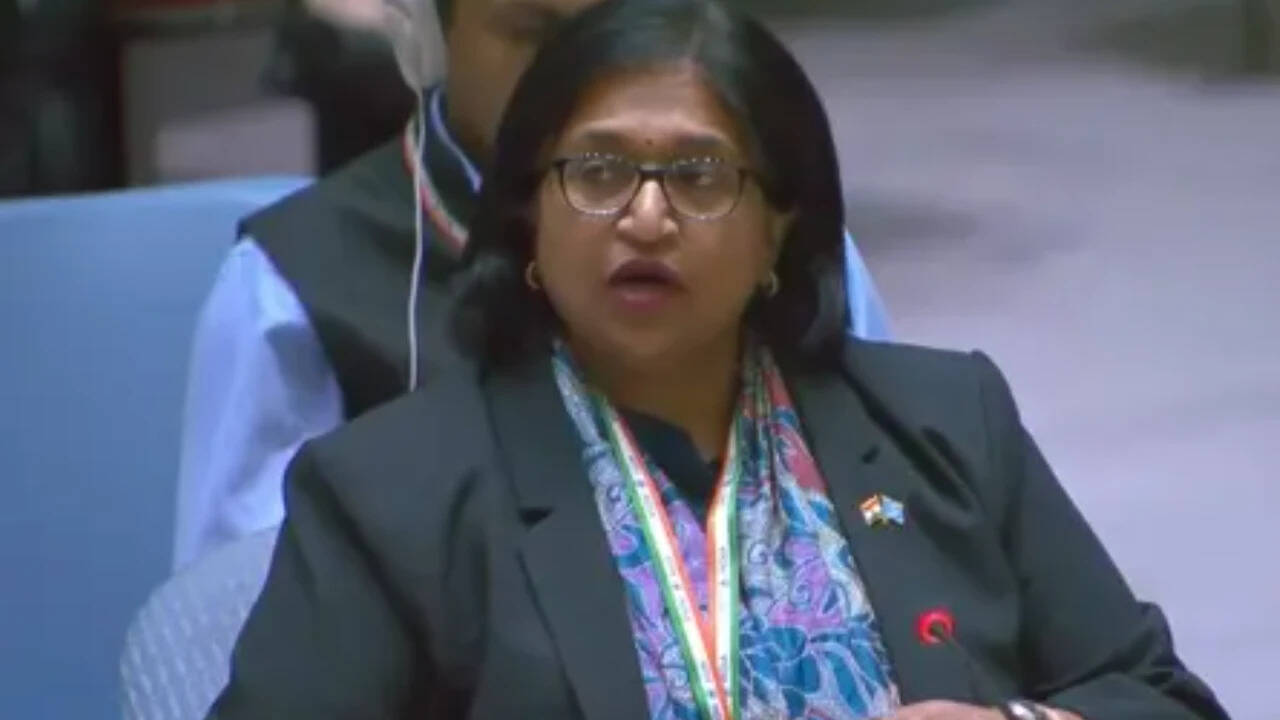
India has urged for increased transparency and impartiality in UN Security Council decisions concerning sanctions, warning against using membership in the council to "legitimise" terrorists, in a subtle critique of Pakistan's involvement in combating terrorism. At an open UN Security Council debate on Wednesday, India's Chargé d’Affaires at the UN, Ambassador Yojna Patel, emphasized that membership in the body "must not become a platform to pursue narrow political interests."
Patel warned that the council's participation should not be leveraged to either remove or add entities to terrorist lists based purely on political motives, without any objective criteria or supporting evidence, according to ANI.
India has consistently criticized the lack of transparency regarding decisions to label individuals or groups as terrorists or terror organizations. While the final decisions are publicly disclosed, the reasons behind the rejections or postponements of such proposals remain undisclosed, a practice India labels as a "disguised veto."
Specifically, concerns have been raised over the functioning of the 1267 Al-Qaida Sanctions Committee, with India arguing that this approach undermines the effectiveness and credibility of the United Nations. Furthermore, India has encountered resistance from other permanent members, particularly China, in attempts to designate individuals with ties to Pakistan for sanctions.
In addition to transparency concerns, India highlighted the delay in appointing chairs and vice-chairs for the Security Council's subsidiary bodies. As of August 2026, several key positions, including those responsible for the 1267 Al-Qaida and Taliban sanctions committees, remain vacant. Patel advocated for a clear and unwaivable timeline for the completion of these appointments, arguing that the delay has negatively impacted the functioning of these bodies.
Denmark, currently presiding over the Security Council, acknowledged the delay as "unprecedented," stating that it weakens the council's efficiency, reputation, and overall integrity. Patel urged for increased participation of elected non-permanent members in crucial decision-making processes, such as the selection of the UN Secretary-General, arguing that the Security Council's structure and operational methods must evolve to reflect the shifting dynamics of the global geopolitical landscape since the organization's inception in 1945.
Written by urgent.news from Times of India's reporting — not their text. Machine-written — may contain errors; check the original before relying on it.