Mossad chief, Syrian foreign minister discuss Turkish military presence
Three sources say Israel’s Mossad chief spoke with Syria’s foreign minister on August 14 about Turkish military activity in Syria, days before an Israeli airstrike.
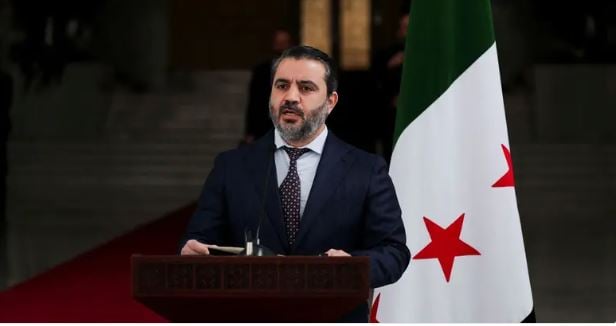
On August 14, Israeli Mossad chief Roman Gofman spoke with Syrian Foreign Minister Asaad Al-Shaibani about Turkish military activity in Syria, according to three informed sources. The conversation occurred just days before Israel carried out an airstrike on Syria's Abu al-Duhur airbase. This call represents the highest-level contact between Israel and the Syrian administration, led by President Ahmed Al-Sharaa.
The Israeli Prime Minister’s Office and Al-Shaibani's spokesperson declined to comment on the call. Turkey's Ministry of Defense and Foreign Ministry also did not respond to requests for comment. The call reportedly focused on Israeli inquiries about an increase in Turkish military activity in Syria, including arms supplies, drones, and other support.
Gofman allegedly asked about weapons Turkey is providing to the Syrian army. The call took place four days before the airstrike. Following the attack, Israeli Prime Minister Benjamin Netanyahu stated that Damascus was close to allowing Turkish forces at the airbase, despite previous Israeli warnings. Relations between Turkey and Al-Sharaa have strengthened since Assad's ousting in 2024, raising Israeli concerns over growing Turkish influence near Israel's northern border.
In July, Al-Sharaa mentioned a potential security agreement with Israel, while also seeking international pressure on Israel to adopt a more balanced policy. The Turkish presidency dismissed Israeli allegations, accusing it of justifying illegal airstrikes. The US ambassador to Turkey and Syria, Tom Barak, called the Israeli strikes an "unnecessary escalation" that harms regional stability, stating that the US is working to prevent further escalation among the three countries.
Written by urgent.news from Ajel English's reporting — not their text. Machine-written — may contain errors; check the original before relying on it.