MIT researchers build AI that simulates how cars, planes and boats react to forces
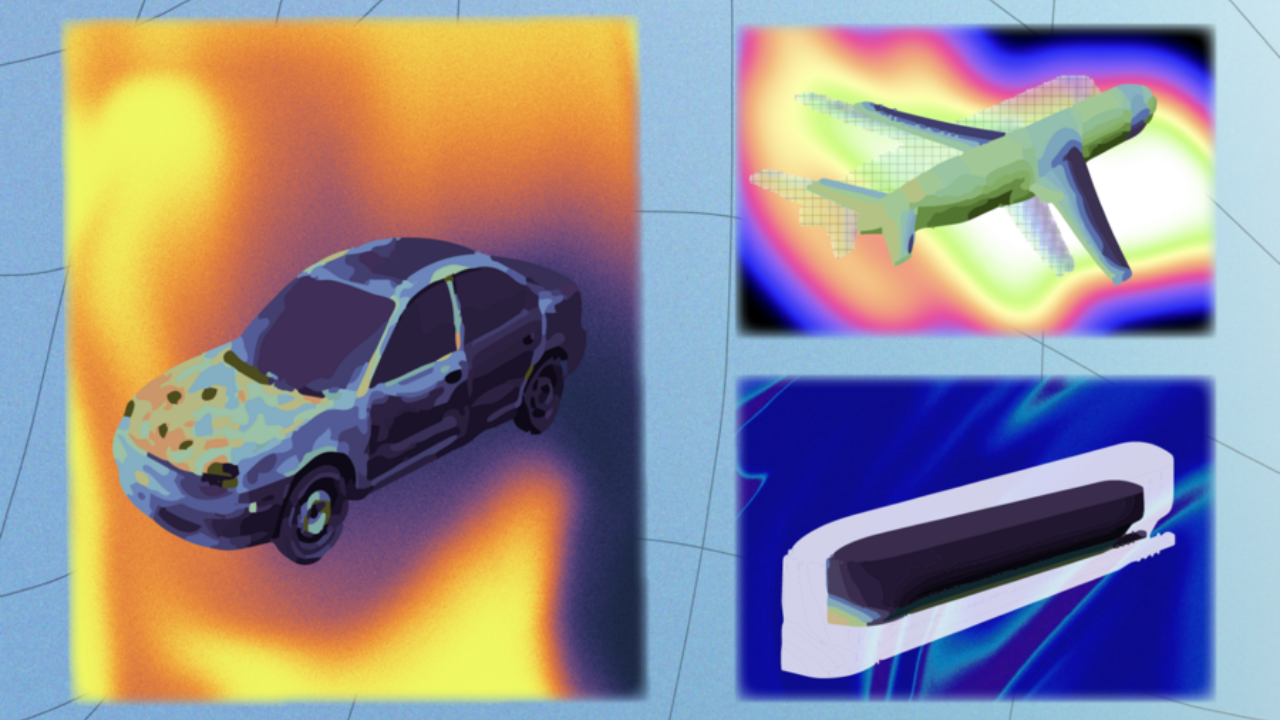
Artificial intelligence (AI) can generate texts, images, and 3D objects with relative ease, but understanding real-world object behavior remains challenging. MIT researchers and Tsinghua University have developed a new AI approach called GeoPT, which aims to bridge this gap. GeoPT is designed to teach AI how physical interactions affect 3D objects such as cars, planes, and boats.
By learning from synthetic examples of particles interacting with various shapes, GeoPT can predict how these objects react to forces like wind, water, and collisions. The researchers found that GeoPT requires up to 60% less labeled data and twice the speed of existing models for physics simulation tasks. This efficient learning process could enable virtual testing of vehicle designs, reducing the need for costly physical experiments.
GeoPT achieved significant results in simulating airflow and surface pressure effects on complex 3D shapes, as well as predicting vehicle deformation during collisions. The AI even demonstrated the ability to generalize its learning to new situations, such as light interacting with a toy rabbit model. Researchers believe GeoPT could contribute to a broader AI system that comprehends physical behavior across various scenarios, potentially streamlining the engineering design process.
Written by urgent.news from Times of India's reporting — not their text. Machine-written — may contain errors; check the original before relying on it.