Millennials are struggling to buy a home - but is it actually getting easier?
Twenty-somethings are much less likely to own a home than previous generations. But data suggests things may be turning a corner.
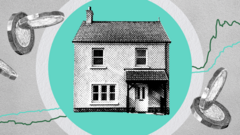
Millennials face a challenging path to homeownership compared to previous generations. As of today, only 25% of twenty-somethings born in the UK in the mid-1990s are on the housing ladder, significantly lower than their predecessors. The gap can be attributed to several factors, including property prices outpacing incomes and a lack of new housing construction.
One major issue is that property prices have continually risen above wage growth over several decades. In fact, housing economist Paul Cheshire highlights the stark comparison between the rise in egg prices and house prices over the past 71 years. Additionally, the government estimates that England alone requires 300,000 new dwellings annually to match population changes and population preferences for smaller households. However, only 208,000 were added last year, a far cry from the required increase.
Inflation has played a significant role in driving up construction costs. The rise in costs for raw materials, such as timber, steel, plasterboard, concrete, and insulation, has been consistent since the 1990s until the Covid-19 pandemic, when it became more challenging to source these materials. The war in Ukraine further exacerbated the situation by driving up energy costs, which in turn affected construction expenses. Moreover, the war in Iran has contributed to even higher prices.
The lack of skilled workers has been another challenge, particularly exacerbated by Brexit. This shortage has made it difficult for construction firms to meet demand. Furthermore, the complexity and unpredictability of planning regulations add to the overall cost, even though they serve vital functions in protecting the environment and ensuring safety standards.
The rising costs of building, coupled with uncertain demand, have deterred some housebuilders. The increased deposit requirements to purchase a home have also become a significant hurdle, especially for young people paying rent. Saving for a deposit becomes particularly challenging in such circumstances.
However, the situation appears to be improving gradually. Mortgage payments, relative to wages, are moving back toward the long-term average due to slower property price growth and lower interest rates. Lenders are also more willing to offer larger loans with longer repayment terms. Additionally, government initiatives, such as Sir Keir Starmer's plans to streamline planning processes and allow more building on the green belt, could potentially alleviate some of the constraints.
Nonetheless, the ultimate solution lies in incentivizing builders to commit to constructing more homes, a process that will undoubtedly take years to materialize.
Written by urgent.news from BBC Business's reporting — not their text. Machine-written — may contain errors; check the original before relying on it.