Medical body questions NTA’s anti-leak measures before Supreme Court, demands stricter law for insiders
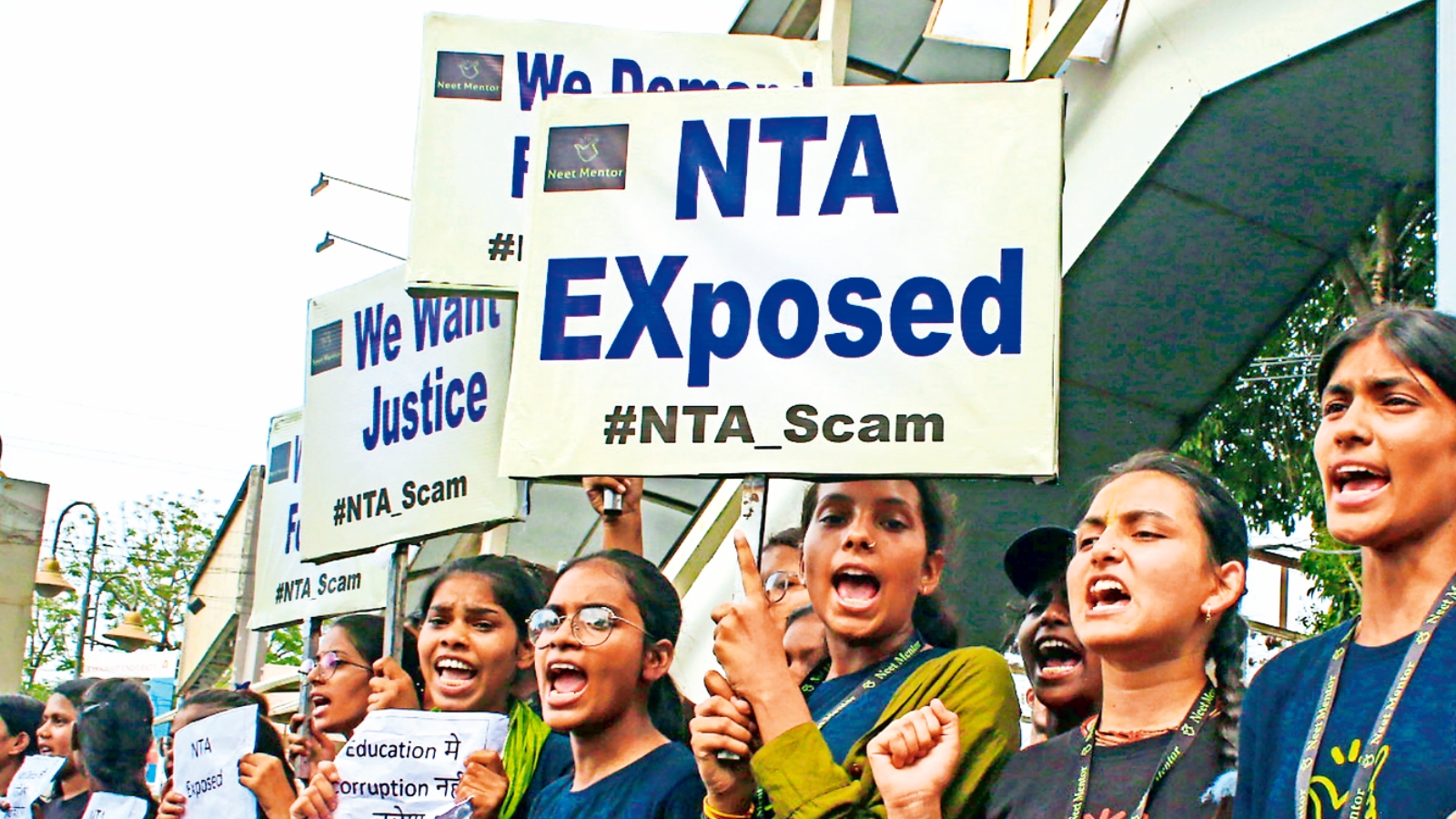
The Federation of All India Medical Association (FAIMA) has questioned the adequacy of the National Testing Agency's (NTA) measures against examination paper leaks before the Supreme Court, urging for stricter provisions in the law to handle insider misconduct. FAIMA argued that existing provisions, such as the Public Examinations (Prevention of Unfair Means) Amendment Act, 2026, should specifically address scenarios where authorized personnel, like paper setters, vetters, and others, copy, share, or disclose confidential examination materials.
The association emphasized that such actions should be classified as aggravated offenses due to the sensitive nature of the entrusted material and the breach of trust.
FAIMA also criticized the government for not implementing the recommendations of the High-Level Committee of Experts led by former ISRO chief K Radhakrishnan. This committee, established following the NEET-UG paper leak allegations in 2024, submitted its report in 2024 with 101 recommendations. These included standards for pre-examination, examination, and post-examination processes, as well as enhanced data security and structural improvements for the NTA.
Despite these recommendations, a paper leak occurred in 2026, leading FAIMA to argue that the situation demands action beyond mere committee formations. The association, represented by advocate Tanvi Dubey, contended that the Radhakrishnan committee's detailed standard operating procedures had been ignored, resulting in another instance of a paper leak in 2026.
This prompted the need for a new task force, led by Infosys co-founder Nandan Nilekani, to reassess structural reforms in competitive examinations.
Written by urgent.news from The Indian Express's reporting — not their text. Machine-written — may contain errors; check the original before relying on it.
This story
This is one outlet's version. Read the fullest account.