Mariana Mazzucato: ‘We need a green transition people can imagine as part of a good life’
The economist tells Dialogue Earth why top-down economic models fall short and how common-good economies can empower communities The post Mariana Mazzucato: ‘We need a green transition people can imagine as part of a good life’ appeared first on Dialogue Earth .
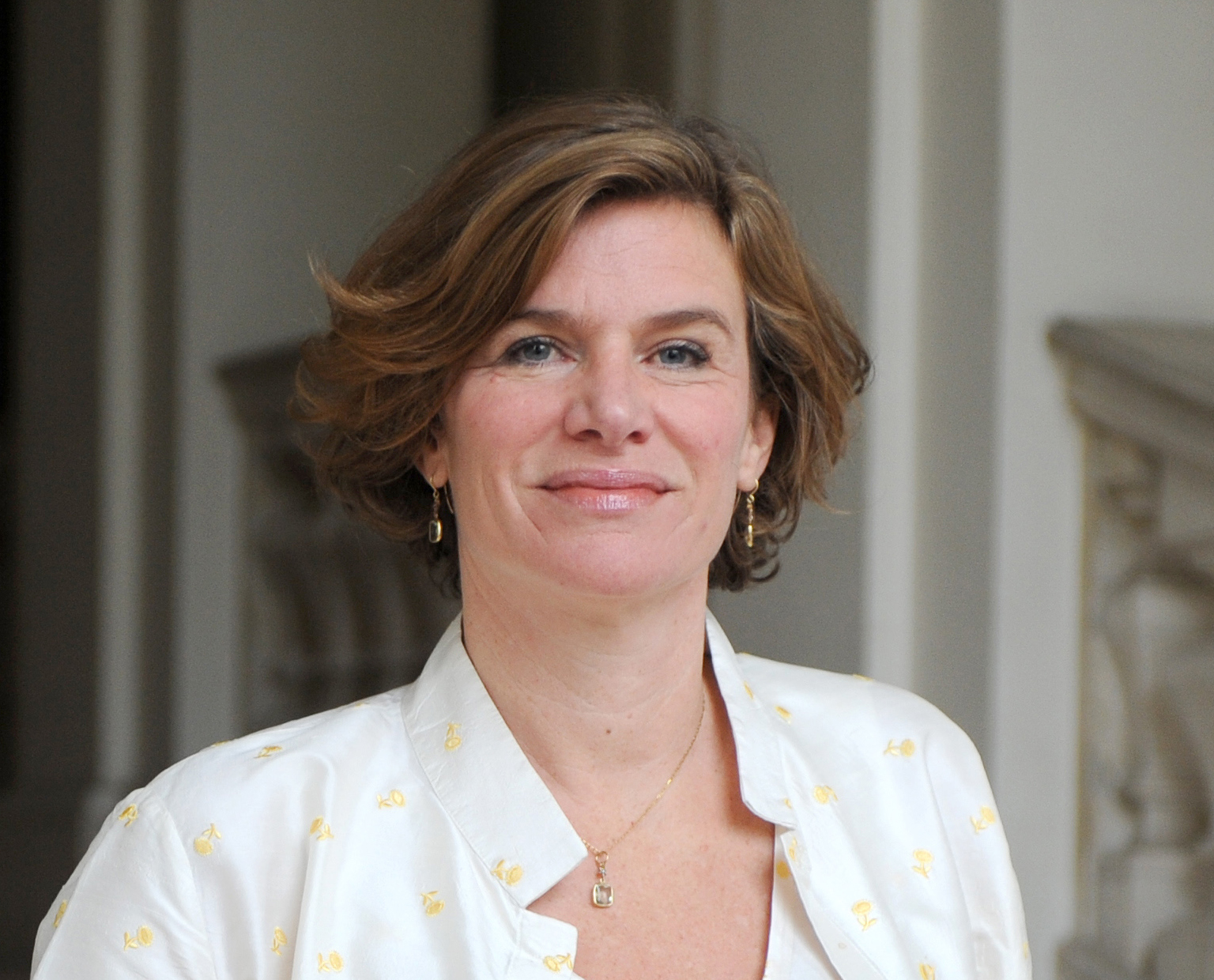
Mariana Mazzucato, a renowned economist, argues that culture is essential for a successful green transition. She asserts that the current economic approach is disconnected from capitalism's core, and growth should be a positive force for society, not just a rate. Mazzucato's latest book, The Common Good Economy, proposes a framework for economies that work for everyone, emphasizing culture, wellbeing, and human flourishing.
In an interview with Dialogue Earth, Mazzucato discusses how culture, local rituals, and creative practices are as crucial to a green transition as infrastructure like power grids. She highlights the need for community participation and the importance of ensuring that AI doesn't exacerbate inequality. Mazzucato draws inspiration from historical examples, such as FDR's New Deal, which integrated artists and designers into the Work Projects Administration, demonstrating the profound impact of creative practices on societal perception.
She contends that culture should have its own research strand within industrial policy, rather than being treated as a peripheral aspect. Mazzucato shares examples of successful community-driven initiatives, such as the Brazilian Amazon's Project Esperaçar, which recognized traditional culture and forest care as interconnected. She emphasizes the need for public institutions to design and implement government policies, rather than outsourcing them to external consultancies.
This integration ensures that policies are not only effective but also resilient and widely supported.
Mazzucato points out that public institutions must possess the capability to co-create plans and maintain them, as well as foster transparency and accountability. She criticizes the tendency of governments to launch new plans rather than implementing existing ones, suggesting that development banks should adopt a mission-oriented approach to capital mobilization.
Furthermore, she warns against the risks posed by the US's withdrawal from multilateral climate cooperation and the potential for economic division through tariffs. To create a more equitable and sustainable future, Mazzucato advocates for bold actions that reshape the economy, promote impact-driven financing, strengthen capable states, and foster global collaborations for equity.
Written by urgent.news from Dialogue Earth's reporting — not their text. Machine-written — may contain errors; check the original before relying on it.