Malay legal codes predate European models, says Tunku Azizah
The Tengku Ampuan Pahang says the Hukum Kanun Melaka and Hukum Kanun Pahang also challenge the assumption that Malay rulers once governed as absolute monarchs unconstrained by law.
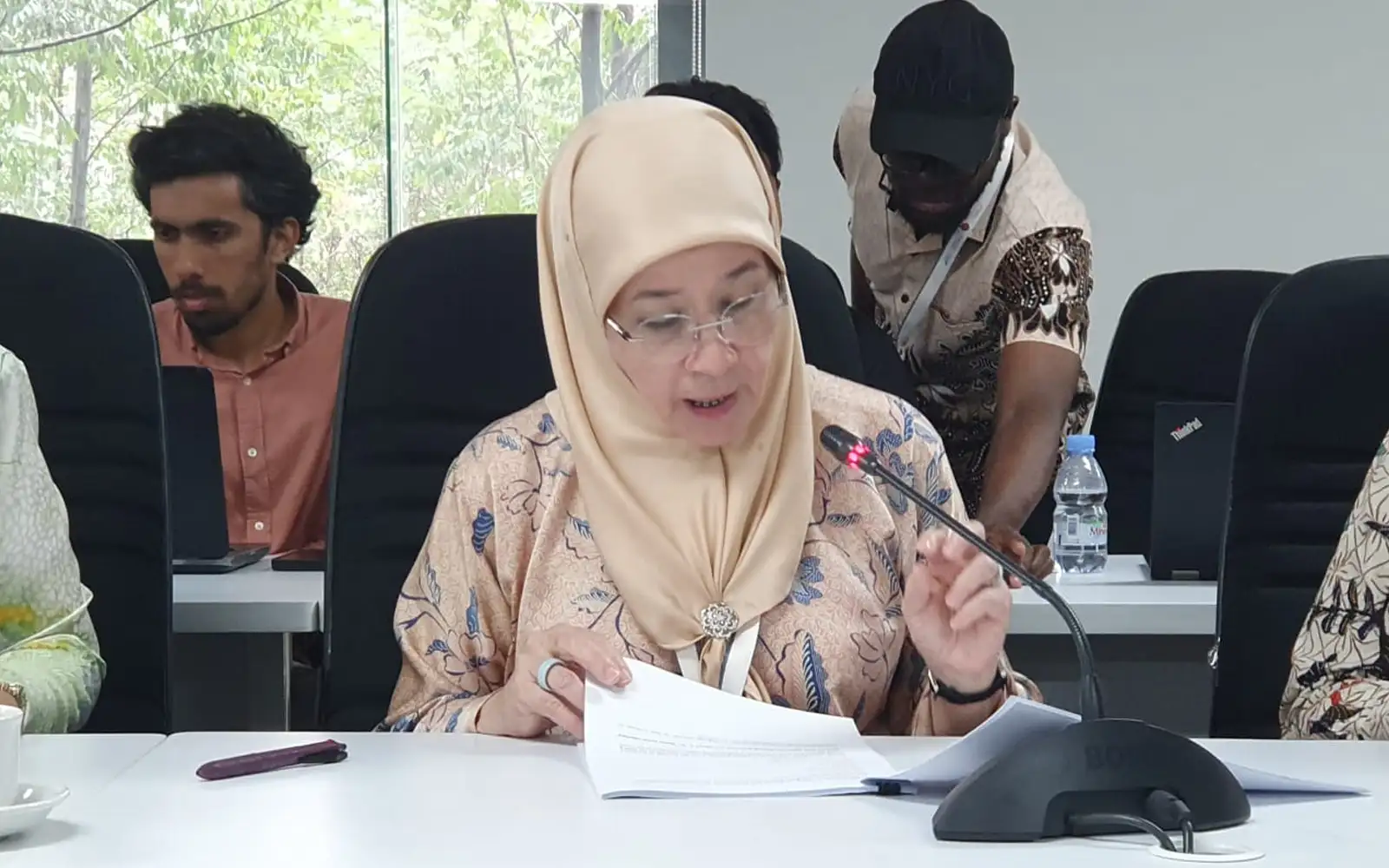
Tunku Azizah Aminah Maimunah Iskandariah, Tengku Ampuan Pahang, argues that the Malay Sultanates had established a structured system of constitutional governance centuries before European models were introduced. She points to the Hukum Kanun Melaka (HKM) and Hukum Kanun Pahang (HKP) as evidence of this ancient legal tradition. These manuscripts, initially viewed as merely legal codes concerning crime, punishment, commerce, Islamic law, and Malay adat, reveal a much deeper governance structure.
They define the roles of the Sultan, ministers, judges, and officials, outline the administration of justice, and establish maritime authority and commerce. Tunku Azizah contends that this ancient structure, grounded in Islamic political thought and expressed in Malay through the Jawi script, establishes a coherent ordering of political authority.
She suggests that the HKM and HKP should be studied through a constitutional lens, rather than considered as historical collections of laws. This perspective challenges the notion that Malay kingship was historically absolute, and instead posits that sovereignty existed within a normative order bounded by Islam, law, adat, justice, offices, and responsibilities.
The HKP, in particular, is seen as a continuation of the HKM, adapting to Pahang's unique political, administrative, and maritime realities.
Written by urgent.news from Free Malaysia Today's reporting — not their text. Machine-written — may contain errors; check the original before relying on it.
This story
This is one outlet's version. Read the fullest account.
- Kanun Melayu dahului model Eropah ratusan tahun, titah Tunku Azizah freemalaysiatoday.com