Urgent.News

What's breaking now, across thousands of outlets.

Editions

Business

Los problemas de exportación por la guerra de Ucrania disparan los precios de los cereales

Los analistas temen una crisis mundial de precios de los alimentos si continúan los ataques a terminales y buques y la paralización de las exportaciones marítimas. Leer

Los problemas de exportación por la guerra de Ucrania disparan los precios de los cereales

Analysts fear a global food price crisis if attacks on terminals and ships continue and maritime exportations are paralyzed. Wheat prices have skyrocketed due to escalating attacks between Russia and Ukraine against Black Sea ports and commercial ships, threatening to halt the maritime exports of cereals, the two largest global suppliers.

The reference futures of wheat have reached near-year lows due to the increasing disruption of export operations, like the attacks on Ukraine's largest Danube port and Russian Black Sea terminals in recent weeks. This is worse for the wheat market than the Strait of Hormuz for oil. The longer this situation persists, the greater the consequences, warns Andrey Sizov, CEO of SovEcon, a Black Sea agricultural market analysis firm.

Russia is the world's largest wheat exporter and Ukraine the fifth. Together, they cover around 30% of global demand. According to Oxford Economics, disruptions in the ports of both countries in the Azov and Black Sea basins will reduce global supplies by up to 86 million tonnes this year (52 million from Russia and 34 from Ukraine), or about 17% of worldwide cereal exports.

Alternative routes for Ukrainian exports via rail and the Danube River can only replace around 17 million tonnes, even if capacity increases in those routes. Russian attacks on cargo ships have paralyzes maritime transport through Odessa, Ukraine's main seaport, and other Ukrainian Black Sea ports. Meanwhile, a Ukrainian attack on Novorossiysk last week forced the three main Russian port terminals to suspend their operations.

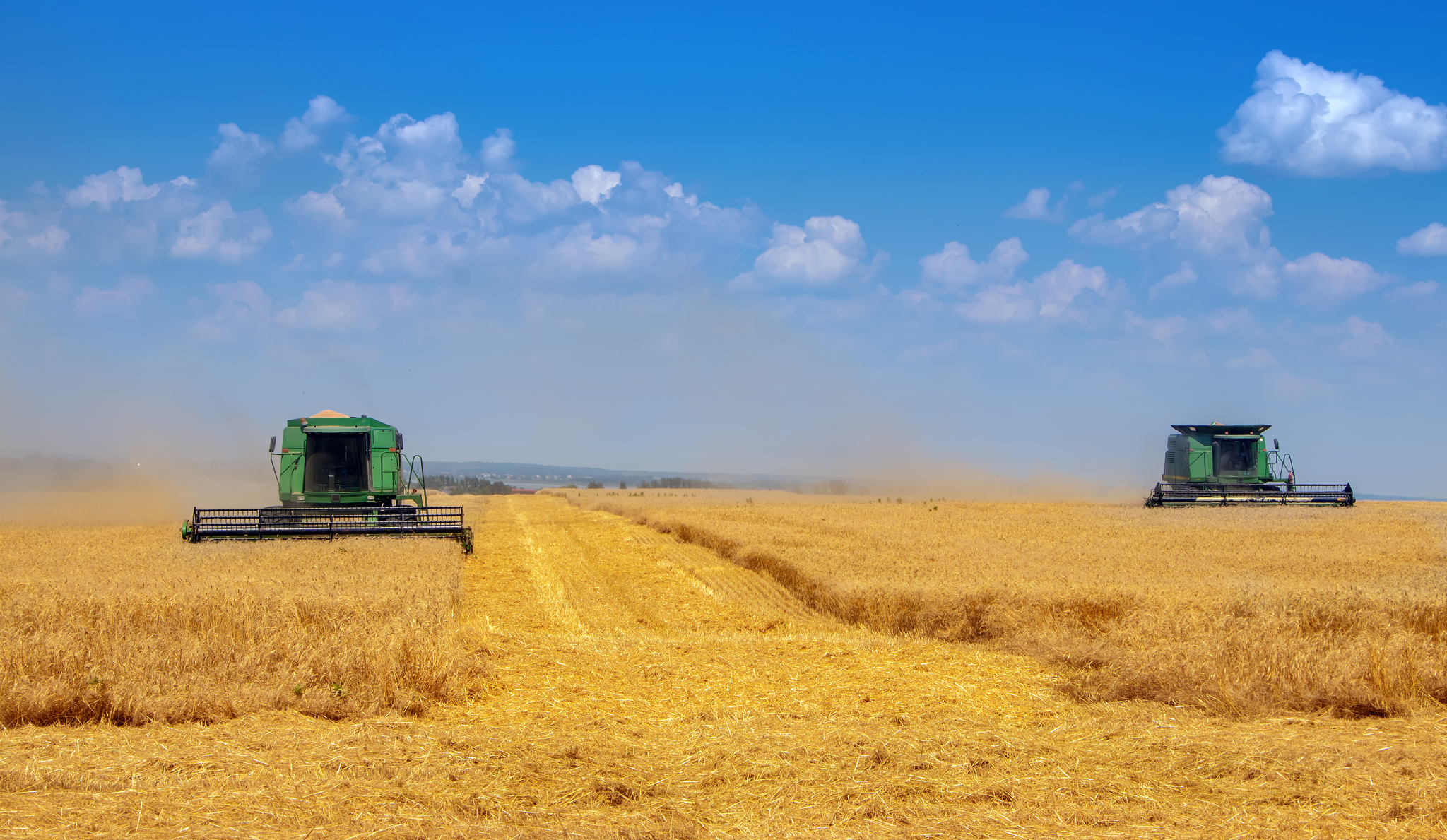
This disruption comes at a crucial time. The winter wheat harvest is far advanced in both countries and August marks the start of the high activity period for shipping the new harvest to international buyers. Agriculture generates 60% of Ukraine's export income. According to government data, its cereal exports have dropped by about 75% this month compared to last year.

For Russia, SovEcon predicts exporting around 2.2 million tonnes of cereals this month, compared to 4.6 million in August 2025, with most shipments likely to be made via routes outside the Azov and Black Sea basins. Russia's grain export capacity in the Black Sea and Azov Sea basins is practically paralyzed, with the only operational facility remaining in Russia being the port of Tuapse.

We cannot rule out new attacks on Novorossiysk, especially considering that area defense systems have suffered severe damage. Sizov warns of possible further attacks on Novorossiysk, given the severity of the damage to area defense systems. The rise in wheat prices exacerbates the pressure on agriculture caused by widespread drought, disturbances from El Niño weather phenomenon, and the fertilizer scarcity resulting from the war with Iran, prompting fears that the recent escalation could contribute to a broader global food price increase.

Wheat prices hit historic highs after Russia's invasion of Ukraine in 2022, but fell after a UN initiative for cereal trade through the Black Sea failed in July 2023. Ukraine developed new export routes along the Black Sea coast to the Romanian port of Constanza and along the Danube this year. However, this summer's extreme heat and lack of precipitation reduced Danube water levels, affecting cargo amounts and increasing freight costs.

Last week, Russia also attacked the infrastructure of Izmail, Ukraine's largest Black Sea wheat-exporting port. Despite the rise in wheat futures, both Sizov and the agricultural industry think tank BMI believe that the prices have not yet fully reflected the risk of a prolonged supply disruption in the Black Sea, and that if this disruption persists, prices will rise further.

Written by urgent.news from Expansion ES's reporting — not their text. Machine-written — may contain errors; check the original before relying on it.

Read the original at expansion.com →

More in Business

More from Thursday 20 August →