Lindsay Clancy Murder Trial: Psychologist Says She Could Not Appreciate 'Wrongfulness' of Killing Her 3 Children
A psychologist testifying for the defence in Lindsay Clancy's murder trial said on Wednesday that her mental health issues left her unable to appreciate the "wrongfulness" of killing her three children. Paul Zeizel's testimony provided the strongest evidence yet supporting the defence's contention that Clancy should not be held legally responsible for murder. The defence maintains that she has…
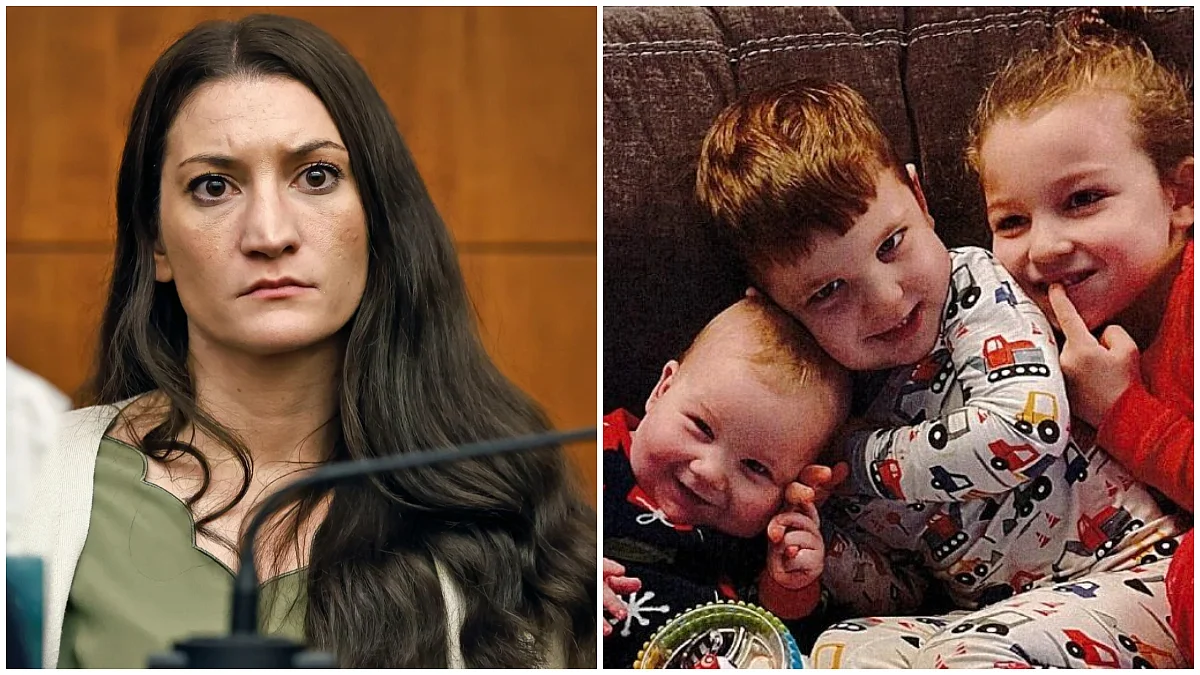
Psychologist Paul Zeizel testified in Lindsay Clancy's murder trial that her mental health issues prevented her from understanding the wrongfulness of killing her three children. Clancy, 36, is accused of murdering her children Callan, Dawson and Cora, aged between eight months and five years, in January 2023. Zeizel, who treated Clancy after the incident, stated that she was unable to align her actions with the law and had no appreciation of their wrongful nature.
Clancy has pleaded not guilty to the charges, citing bipolar disorder and postpartum psychosis as contributing factors. Postpartum psychosis is a rare mental illness that affects about one to two women out of every 1,000 after childbirth. The defense argues that Clancy's mental state made her legally incapable of being held responsible for the murders.
Psychologist Zeizel examined Clancy over more than 35 hours across multiple visits and reviewed her medical records. He stated that Clancy exhibited signs of psychosis, paranoia, and suicidal thoughts, including the belief that she would never get better and that her children might be taken away. During cross-examination, prosecutors questioned Zeizel's objectivity, citing errors in his report and his dual role as a defense attorney.
They also raised doubts about the seriousness of Clancy's suicide attempt, which resulted in her being paralyzed from the waist down. Clancy's attorney acknowledged that her medical records did not indicate she heard voices urging her to kill herself, only that she expressed a desire to die. Prosecutors argue that Clancy planned the killings, arranging for her husband to leave the house and handle practical matters.
Zeizel testified that Clancy's psychoses did not necessarily hinder her ability to perform everyday tasks, such as driving or searching for resources online. If convicted of murder, Clancy could face life imprisonment without parole, while a not guilty verdict due to lack of criminal responsibility would commit her to a state mental health facility.
Written by urgent.news from Free Press Journal's reporting — not their text. Machine-written — may contain errors; check the original before relying on it.